
The grocery industry has changed significantly in recent years, especially in urban markets like New York City. With busy lifestyles, increasing digital adoption, and demand for convenience, consumers now expect groceries to be delivered to their doorstep quickly and efficiently. This shift has made grocery delivery app development a critical area of investment for businesses.
Table of Contents
Toggle
Companies like Maven Swami are helping organizations design scalable and user-focused solutions tailored to modern shopping behaviors. This blog explores everything you need to know about building a grocery delivery platform, including development approaches, features, costs, and SaaS-based solutions.
Understanding Grocery Delivery App Development
Grocery delivery app development refers to creating digital platforms that allow users to browse, order, and receive groceries via mobile or web applications. These apps connect customers, grocery stores, and delivery personnel into a unified system.
In a city like New York, where time efficiency is critical, such applications must prioritize speed, usability, and reliability.
Types of Grocery Apps
- Single Store Apps
Designed for individual grocery stores to serve their customers directly. - Marketplace Apps
Multiple vendors list their products, similar to platforms like Instacart. - Aggregator Models
These apps connect users with nearby grocery providers without maintaining inventory. - Subscription-Based Apps
Users subscribe for regular deliveries, popular among busy professionals.
Why Grocery Shopping App Development is Growing
The demand for grocery shopping app development has increased due to several factors:
- Urban population growth in New York
- Increased smartphone penetration
- Preference for contactless shopping
- Rise in on-demand services
Major platforms such as Amazon Fresh and Walmart have set high standards for delivery efficiency and user experience.
Key Features of a Grocery Delivery App
A successful grocery store app development project must include the following features:
1. User Panel
- Easy registration and login
- Smart product search and filters
- Wishlist and cart management
- Multiple payment options
- Order tracking in real-time
2. Admin Panel
- Inventory management
- Order tracking and analytics
- Customer management
- Revenue tracking
3. Delivery Partner Panel
- Route optimization
- Order notifications
- Earnings tracking
4. Advanced Features
- AI-based recommendations
- Voice search
- Chat support
- Scheduled deliveries
On-Demand Grocery Delivery App Development
On demand grocery delivery app development focuses on providing real-time services where users can order groceries and receive them within hours or even minutes.
This model is widely used by companies like DoorDash and Uber Eats, which have expanded into grocery delivery.
Key Benefits:
- Faster delivery times
- Improved customer satisfaction
- Higher engagement rates
Challenges:
- Logistics management
- Inventory synchronization
- Delivery optimization
Choosing the Right Grocery App Development Company
Selecting a reliable grocery delivery app development company is crucial for success. A capable team ensures scalability, security, and performance.
What to Look For:
- Experience in on-demand app development
- Knowledge of New York market trends
- Expertise in technologies like AI, cloud, and APIs
- Strong UI/UX design capabilities
A company like Maven Swami focuses on building adaptable and scalable solutions suited for dynamic markets.
Grocery App Development Process
Developing a grocery app involves several stages:
1. Requirement Analysis
Understanding business goals, target audience, and competitors.
2. UI/UX Design
Creating intuitive interfaces for better user engagement.
3. Development
Using technologies such as:
- Frontend: React Native, Flutter
- Backend: Node.js, Python
- Database: MongoDB, PostgreSQL
4. Testing
Ensuring the app is bug-free and performs well under load.
5. Deployment
Launching the app on platforms like Google Play Store and Apple App Store.
6. Maintenance
Regular updates and feature enhancements.
Grocery App Development Cost
The grocery app development cost varies depending on several factors:
Key Cost Factors:
- App complexity
- Number of features
- Technology stack
- Development team location
- Integration with third-party services
Estimated Cost Range:
- Basic App: $15,000 – $30,000
- Mid-Level App: $30,000 – $70,000
- Advanced App: $70,000+
In New York, costs may be higher due to advanced requirements and competitive standards.
SaaS-Based Grocery Delivery App Solution
A SaaS-based grocery delivery app solution is an increasingly popular approach for businesses that want faster deployment and lower upfront costs.
Benefits:
- Quick launch
- Reduced development time
- Lower initial investment
- Scalable infrastructure
Limitations:
- Limited customization
- Subscription-based pricing
This model is ideal for startups or small businesses entering the market.
Technology Trends in Grocery App Development
Modern grocery app development integrates emerging technologies:
1. Artificial Intelligence
Used for personalized recommendations and demand forecasting.
2. Internet of Things (IoT)
Helps in inventory tracking and smart logistics.
3. Blockchain
Ensures transparency in supply chains.
4. Cloud Computing
Provides scalability and data security.
Companies like Microsoft Azure and Amazon Web Services are widely used for backend infrastructure.
Challenges in Grocery Delivery App Development
Despite the growth, businesses face several challenges:
- Managing real-time inventory
- Ensuring timely deliveries
- Handling peak demand
- Maintaining app performance
Addressing these issues requires robust architecture and efficient backend systems.
Best Practices for Grocery App Development
To build a successful app, consider the following:
- Focus on user experience
- Optimize for speed and performance
- Ensure secure payment integration
- Use data analytics for decision-making
- Provide reliable customer support
Expanding the Scope of Grocery Delivery App Development in New York
As digital commerce continues to evolve, grocery delivery app development is no longer limited to simple ordering systems. In a competitive ecosystem like New York City, businesses are now focusing on building comprehensive platforms that integrate logistics, customer behavior insights, and real-time data processing.
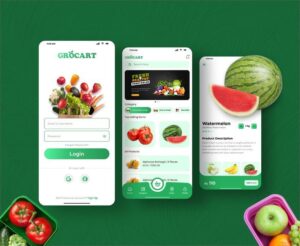
Organizations such as Maven Swami are increasingly working on solutions that go beyond traditional models, incorporating adaptability and operational intelligence into grocery applications.
Hyperlocal Delivery Models and Their Impact
A major innovation in on demand grocery delivery app development is the adoption of hyperlocal delivery systems. These systems connect users with nearby stores within a limited geographic radius.
Why Hyperlocal Works in New York
- Dense population clusters
- Shorter delivery distances
- High demand for rapid service
Hyperlocal apps often integrate with mapping services like Google Maps to optimize routes and reduce delivery time.
Operational Considerations
- Real-time stock updates from nearby stores
- Dynamic pricing based on demand
- Smart delivery slot allocation
Multi-Vendor Grocery Marketplace Development
Another growing segment within grocery shopping app development is the multi-vendor marketplace model. This approach allows multiple grocery retailers to operate within a single platform.
Advantages:
- Wider product selection
- Competitive pricing
- Increased customer retention
Vendor Management Features:
- Individual dashboards for sellers
- Commission tracking
- Product catalog management
Platforms like Shopify demonstrate how multi-vendor systems can be structured effectively.
Role of Data Analytics in Grocery Apps
Data analytics has become a cornerstone of modern grocery app development. By analyzing user behavior, businesses can make informed decisions.
Key Data Points:
- Purchase history
- Search patterns
- Peak ordering times
Applications:
- Personalized product recommendations
- Inventory forecasting
- Marketing campaign optimization
Cloud-based analytics tools from Google Cloud are commonly used for such purposes.
Payment Gateway Integration and Security
Secure and flexible payment systems are essential for any grocery store app development project.
Popular Payment Methods:
- Credit and debit cards
- Digital wallets
- Net banking
Payment systems often integrate with services like Stripe to ensure secure transactions.
Security Measures:
- End-to-end encryption
- Two-factor authentication
- PCI DSS compliance
Logistics and Supply Chain Optimization
Efficient logistics are critical for on demand grocery delivery app success.
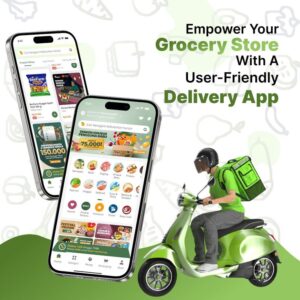
Key Components:
- Warehouse management systems
- Delivery fleet tracking
- Route optimization algorithms
Companies frequently use APIs from Mapbox for advanced route planning.
Micro-Fulfillment Centers
In cities like New York, micro-fulfillment centers are used to store high-demand items closer to customers, reducing delivery time significantly.
Personalization and Customer Engagement
Modern grocery app development emphasizes personalized user experiences.
Techniques:
- AI-driven product suggestions
- Customized discounts
- Behavioral targeting
Engagement Tools:
- Push notifications
- Email campaigns
- Loyalty programs
These features help improve retention and increase order frequency.
Integration with Smart Devices
Smart home technology is influencing grocery delivery app development.
Examples:
- Voice ordering through assistants like Amazon Alexa
- Automated grocery lists based on consumption patterns
This integration enhances convenience and aligns with modern consumer expectations.
Scalability and Performance Considerations
Scalability is a major concern for any grocery app development company working in a high-demand market.
Strategies:
- Microservices architecture
- Load balancing
- Cloud-native deployment
Cloud platforms such as Amazon Web Services enable applications to handle large volumes of users efficiently.
Regulatory and Compliance Factors in New York
Operating a grocery delivery app in New York requires compliance with local regulations.
Key Areas:
- Food safety standards
- Data protection laws
- Labor regulations for delivery personnel
Businesses must ensure that their apps adhere to these legal requirements to avoid operational risks.
Marketing Strategies for Grocery Apps
Launching a grocery delivery app is only part of the process; effective marketing is equally important.
Digital Marketing Channels:
- Search engine optimization (SEO)
- Social media marketing
- Paid advertising
Local Strategies:
- Partnerships with neighborhood stores
- Location-based promotions
- Referral programs
Subscription and Membership Models
Subscription-based services are becoming popular in on demand grocery delivery app development.
Benefits:
- Predictable revenue streams
- Increased customer loyalty
Examples of Subscription Features:
- Free delivery for members
- Exclusive discounts
- Priority delivery slots
Inventory Management Systems
Inventory accuracy is crucial for grocery store app development.
Features:
- Real-time stock updates
- Automated replenishment alerts
- Integration with POS systems
Efficient inventory systems help prevent order cancellations and improve customer satisfaction.
Cross-Platform Development Approaches
Businesses often choose cross-platform frameworks for grocery app development to reduce costs and development time.

Popular Frameworks:
- Flutter
- React Native
Benefits:
- Single codebase for multiple platforms
- Faster development cycles
- Reduced maintenance efforts
Customer Support and Service Systems
Reliable customer support is essential for maintaining trust in a grocery delivery app.
Support Channels:
- Live chat
- Email support
- Call centers
Advanced Support Features:
- AI chatbots
- Automated issue resolution
Environmental and Sustainability Considerations
Sustainability is becoming an important factor in grocery delivery app development.
Eco-Friendly Practices:
- Optimized delivery routes to reduce emissions
- Use of biodegradable packaging
- Encouraging bulk orders
Consumers in New York are increasingly favoring environmentally responsible businesses.
Localization and User Experience
Localization plays a significant role in grocery shopping app development.
Key Elements:
- Language preferences
- Local product availability
- Region-specific pricing
A localized approach ensures better user engagement and satisfaction.
Competitive Landscape Analysis
Understanding competitors is essential for success in grocery app development.
Key Competitors:
- Instacart
- Amazon Fresh
Analysis Factors:
- Pricing strategies
- Delivery speed
- User experience
Future Innovations in Grocery App Development
The future of grocery delivery app development will be shaped by emerging technologies.
Upcoming Trends:
- Autonomous delivery vehicles
- Drone-based deliveries
- Advanced AI-driven logistics
These innovations are expected to redefine how groceries are delivered in urban environments.
Strategic Planning for Long-Term Success
For sustainable growth in grocery app development, businesses must focus on long-term strategies.
Key Focus Areas:
- Continuous innovation
- Customer feedback integration
- Technology upgrades
Working with experienced firms like Maven Swami can help businesses adapt to evolving market demands.
Conclusion
The demand for grocery delivery app development continues to rise, especially in fast-paced environments like New York. Businesses must adapt to changing consumer expectations by investing in scalable and efficient digital solutions.
Whether you are planning a grocery store app development project or exploring a SaaS-based grocery delivery app solution, choosing the right strategy and development partner is essential.
Organizations like Maven Swami play a key role in delivering structured, high-performance applications that meet modern business requirements without unnecessary complexity.
By understanding the market, leveraging the right technologies, and focusing on user needs, businesses can build sustainable and competitive grocery delivery platforms.