
Manufacturing in Los Angeles has changed significantly over the past decade. Companies are no longer relying only on traditional production methods. Today, manufacturers use digital technologies to improve productivity, reduce operational costs, increase product quality, and meet customer expectations. As Industry 4.0 continues to reshape the manufacturing sector, businesses are investing in intelligent software systems that connect production lines, warehouses, inventory, suppliers, and customers into one streamlined ecosystem.
Manufacturers across Los Angeles are adopting custom software to automate repetitive tasks, monitor factory performance in real time, and make data-driven decisions. Whether it is a small production facility or a large industrial enterprise, technology has become an essential part of daily operations.
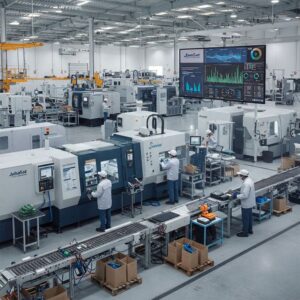
At Maven Swami, understanding modern manufacturing challenges helps organizations develop software that supports production efficiency, business growth, and operational excellence. From factory automation platforms to enterprise resource planning systems, software plays a central role in improving every stage of manufacturing.
Why Los Angeles Is a Growing Manufacturing Technology Hub
Los Angeles is known for more than entertainment. It is also one of the largest manufacturing regions in the United States. The city has thriving industries that include:
- Aerospace and defense
- Medical device manufacturing
- Food and beverage production
- Apparel and textile manufacturing
- Automotive components
- Consumer electronics
- Industrial machinery
- Metal fabrication
- Plastics manufacturing
- Packaging and logistics
These industries require advanced software systems capable of handling complex production processes while maintaining quality standards and regulatory compliance.
Digital transformation is helping manufacturers respond to increasing customer demand, labor shortages, rising operational expenses, and global supply chain disruptions.
The Growing Need for Manufacturing Software Solutions Los Angeles
Modern manufacturing facilities generate enormous amounts of production data every day. Without intelligent software, managing this information becomes difficult.
Businesses require centralized systems that help them:
- Monitor production performance
- Track inventory levels
- Schedule manufacturing jobs
- Reduce machine downtime
- Improve employee productivity
- Increase product quality
- Forecast production demand
- Manage suppliers efficiently
- Analyze operational performance
- Improve customer satisfaction
These capabilities make manufacturing software solutions Los Angeles an important investment for organizations seeking long-term operational improvement.
What Are Manufacturing Software Solutions?
Manufacturing software refers to digital applications designed specifically for industrial operations. These systems help manufacturers manage every stage of production, from raw material purchasing to final product delivery.
Instead of using multiple disconnected systems, manufacturers benefit from integrated software platforms that improve communication between departments.
Typical manufacturing software includes:
- Production management systems
- Enterprise Resource Planning (ERP)
- Manufacturing Execution Systems (MES)
- Inventory management software
- Warehouse management software
- Supply chain management software
- Quality control software
- Asset management systems
- Maintenance management software
- Production scheduling platforms
- Industrial IoT monitoring systems
Each application contributes to better visibility and improved operational efficiency.
Manufacturing Application Development Los Angeles
Every manufacturing company operates differently. Production workflows, machinery, compliance requirements, and reporting needs vary across industries.
Because of these differences, many manufacturers prefer manufacturing application development Los Angeles rather than purchasing generic off-the-shelf software.
Custom manufacturing applications can include:
Production Monitoring Applications
These applications display production status in real time, allowing supervisors to monitor machine utilization, production targets, downtime, and operator performance.
Quality Management Applications
Quality assurance software records inspections, tracks defects, manages corrective actions, and ensures compliance with manufacturing standards.
Equipment Maintenance Applications
Maintenance software helps manufacturers schedule preventive maintenance, reduce unexpected equipment failures, and improve machine reliability.
Workforce Management Applications
Manufacturers can manage employee schedules, attendance, certifications, safety training, and productivity using dedicated workforce management systems.
Business Intelligence Dashboards
Interactive dashboards transform manufacturing data into visual reports that help management make informed decisions.
Benefits of Custom Manufacturing Software
Every manufacturing operation faces unique business challenges.
Custom software offers several advantages over generic applications.
Improved Productivity
Automation reduces manual work, allowing employees to focus on higher-value tasks.
Better Data Accuracy
Automated data collection minimizes human error while improving reporting accuracy.
Faster Decision Making
Real-time dashboards provide management with immediate access to operational insights.
Lower Operating Costs
Software identifies inefficiencies that contribute to unnecessary production expenses.
Increased Customer Satisfaction
Accurate production planning results in faster deliveries and fewer product defects.
Scalability
Custom software grows alongside the business as production capacity expands.
Features Modern Manufacturing Software Should Include
Successful manufacturing platforms typically include the following capabilities:
Production Planning
Software helps manufacturers schedule jobs efficiently while balancing labor availability, machine capacity, and production deadlines.
Order Management
Production orders can be tracked from customer request through manufacturing and shipment.
Inventory Visibility
Businesses maintain accurate inventory levels while reducing stock shortages and excess inventory.
Machine Integration
Software communicates directly with industrial equipment using sensors and industrial communication protocols.
Analytics and Reporting
Executives gain visibility into production efficiency, operational costs, equipment utilization, and employee performance.
Role-Based Security
Different users receive appropriate system permissions to protect sensitive business information.
Factory Management Software Development Los Angeles
Factory operations involve hundreds of interconnected activities occurring simultaneously.
Without centralized management, production delays, communication issues, and resource shortages can occur.
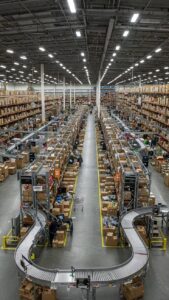
Factory management software development Los Angeles focuses on building applications that coordinate daily manufacturing activities.
These platforms commonly manage:
- Production scheduling
- Equipment utilization
- Employee assignments
- Shift planning
- Material consumption
- Maintenance requests
- Production targets
- Factory safety compliance
- Quality inspections
- Performance reporting
Instead of relying on spreadsheets and paper records, manufacturers gain a digital platform that provides complete operational visibility.
Digital Transformation in Manufacturing
Manufacturing is entering a new era driven by digital innovation.
Emerging technologies include:

- Artificial Intelligence (AI)
- Machine Learning
- Industrial Internet of Things (IIoT)
- Cloud Computing
- Robotics
- Edge Computing
- Predictive Analytics
- Digital Twins
- Computer Vision
- Big Data Analytics
These technologies allow manufacturers to predict equipment failures, optimize production schedules, improve energy efficiency, and reduce waste.
Organizations embracing digital transformation often experience improvements in operational efficiency while remaining competitive in rapidly changing markets.
Choosing the Right Technology Stack
Selecting the appropriate technology stack is essential for building reliable manufacturing software.
Common backend technologies include:
- .NET
- Java
- Python
- Node.js
Frontend development often uses:
- React
- Angular
- Vue.js
Databases may include:
- PostgreSQL
- Microsoft SQL Server
- MySQL
- MongoDB
Cloud deployment options include:
- Amazon Web Services (AWS)
- Microsoft Azure
- Google Cloud Platform (GCP)
For industrial connectivity, developers frequently integrate:
- OPC UA
- MQTT
- REST APIs
- GraphQL
- PLC communication protocols
A scalable architecture ensures that manufacturing software can accommodate increasing production demands, additional facilities, and future technology integrations without requiring major redevelopment.
Manufacturing Execution Systems (MES): Connecting the Factory Floor to Business Operations
One of the most valuable technologies in modern manufacturing is the Manufacturing Execution System (MES). While Enterprise Resource Planning (ERP) software focuses on overall business management, an MES solution manages what happens directly on the production floor.
Manufacturers in Los Angeles use MES platforms to monitor production in real time, improve quality control, reduce downtime, and ensure every manufacturing process follows standard operating procedures.
Unlike manual tracking methods, an MES platform collects live production data from machines, operators, and sensors. This allows managers to identify bottlenecks quickly and make informed operational decisions.
Benefits of MES Software Development Los Angeles
Organizations investing in MES software development Los Angeles often experience measurable improvements across multiple areas of production.
Key benefits include:
- Real-time production monitoring
- Improved production scheduling
- Better quality assurance
- Reduced manufacturing waste
- Increased machine utilization
- Faster issue detection
- Complete product traceability
- Better regulatory compliance
- Improved workforce productivity
- Higher customer satisfaction
Manufacturers producing medical devices, aerospace components, electronics, food products, and industrial equipment particularly benefit from MES solutions due to strict quality and compliance requirements.
Essential Features of an MES Platform
A modern Manufacturing Execution System typically includes:
Production Tracking
Managers can monitor each production order from start to finish while identifying delays before they affect delivery schedules.
Work Order Management
Digital work orders reduce paperwork while improving communication between production teams.
Quality Inspection
Inspection checkpoints help ensure every product meets predefined quality standards before moving to the next production stage.
Machine Performance Monitoring
The system continuously monitors production equipment to identify performance issues and maintenance needs.
Downtime Analysis
Production interruptions are automatically recorded, allowing management to identify recurring problems and improve operational efficiency.
Batch and Lot Tracking
Manufacturers can trace raw materials, components, and finished products throughout the production process.
Custom ERP Development for Manufacturers Los Angeles
Enterprise Resource Planning (ERP) software connects different departments into a single business management platform.
Instead of maintaining separate systems for accounting, purchasing, inventory, manufacturing, and sales, ERP software centralizes business operations.

Many manufacturers choose custom ERP development for manufacturers Los Angeles because standard ERP platforms may not align with their specific production workflows or reporting requirements.
Custom ERP software allows businesses to automate daily operations while improving communication between departments.
Core Modules in Manufacturing ERP Software
A manufacturing ERP system generally includes:
Production Planning
Production schedules are automatically created based on customer demand, inventory availability, and machine capacity.
Purchasing Management
The ERP platform manages supplier relationships, purchase orders, vendor performance, and procurement workflows.
Financial Management
Accounting, budgeting, invoicing, payroll, and financial reporting are integrated into one system.
Customer Relationship Management (CRM)
Sales teams can manage customer orders, quotations, contracts, and communication efficiently.
Human Resource Management
Employee records, attendance, payroll, certifications, and training are managed from a centralized platform.
Reporting and Analytics
Executives gain complete visibility into business performance through customizable dashboards and reports.
Why Manufacturers Prefer Custom ERP Solutions
Every manufacturing organization has unique production methods and business processes.
Custom ERP software offers advantages such as:
- Flexible workflows
- Industry-specific features
- Easier integration with factory equipment
- Improved scalability
- Better reporting capabilities
- Enhanced data security
- Lower long-term operational costs
As manufacturing businesses expand, custom ERP systems can adapt without disrupting daily operations.
Inventory Management Software Development Los Angeles
Inventory directly impacts production efficiency and profitability.
Excess inventory increases storage costs, while insufficient inventory can delay production and customer deliveries.
Modern inventory management software development Los Angeles helps manufacturers maintain accurate inventory records while improving stock control.
Instead of manually updating spreadsheets, businesses can automate inventory tracking across multiple warehouses and production facilities.
Key Features of Inventory Management Software
Effective inventory management solutions typically include:
Real-Time Inventory Tracking
Inventory levels are automatically updated whenever materials are received, consumed, or shipped.
Barcode and QR Code Integration
Warehouse staff can quickly scan products to improve accuracy and reduce manual entry errors.
Demand Forecasting
Historical sales data helps predict future inventory requirements and optimize purchasing decisions.
Purchase Order Management
Businesses can generate purchase orders automatically when stock reaches predefined minimum levels.
Inventory Valuation
The system calculates inventory value using methods such as FIFO, LIFO, or weighted average cost.
Multi-Location Inventory Management
Manufacturers operating multiple warehouses can manage inventory from a centralized dashboard.
Business Benefits of Inventory Software
Manufacturers often achieve:
- Reduced inventory carrying costs
- Improved order fulfillment
- Fewer stock shortages
- Lower waste
- Faster inventory audits
- Better production planning
- Improved purchasing decisions
These improvements directly contribute to increased profitability and operational efficiency.
Warehouse Management Software Development Los Angeles
Warehouses play a critical role in manufacturing operations.
Raw materials, finished products, packaging supplies, and spare parts must be accurately tracked and efficiently stored.
Warehouse management software development Los Angeles focuses on improving warehouse productivity while minimizing errors.
Modern warehouse software provides complete visibility into warehouse operations from receiving through shipping.
Important Warehouse Management Features
Receiving Management
Incoming shipments are recorded immediately, ensuring inventory accuracy from the moment products arrive.
Storage Optimization
Software recommends the most efficient storage locations based on product characteristics and warehouse layout.
Picking and Packing
Digital picking lists reduce fulfillment errors while improving order processing speed.
Shipping Management
Warehouse staff can prepare shipments more efficiently while generating shipping labels and documentation.
Warehouse Analytics
Managers receive reports showing inventory movement, storage utilization, labor productivity, and order accuracy.
Mobile Device Support
Warehouse employees can perform daily tasks using handheld scanners, tablets, or smartphones.
Advantages of Warehouse Management Systems
Businesses often experience:
- Faster order fulfillment
- Reduced warehouse errors
- Better inventory accuracy
- Improved warehouse space utilization
- Increased labor productivity
- Lower shipping costs
- Enhanced customer satisfaction
Integrated warehouse software also improves collaboration between inventory, purchasing, and production teams.
Supply Chain Software Development Los Angeles
Manufacturing success depends on an efficient supply chain.
Raw materials must arrive on time, production schedules must remain accurate, and finished goods must reach customers without delays.
Supply chain software development Los Angeles helps manufacturers improve visibility across suppliers, logistics providers, warehouses, distributors, and customers.
Instead of managing each stage independently, businesses gain complete control over their supply chain network.
Key Components of Supply Chain Software
Supplier Management
Businesses can evaluate supplier performance, monitor delivery timelines, and improve procurement decisions.
Procurement Automation
Purchase requests, approvals, and supplier communications are streamlined through automated workflows.
Logistics Management
Transportation schedules, shipment tracking, and delivery performance are monitored in real time.
Demand Planning
Advanced analytics help forecast future customer demand using historical sales and market trends.
Supply Chain Visibility
Managers gain real-time insights into inventory movement, supplier status, and production progress across the entire supply chain.
Risk Management
Software identifies potential disruptions, allowing businesses to develop contingency plans before operations are affected.
Why Supply Chain Software Matters
Global manufacturing environments are becoming increasingly complex due to changing customer expectations, transportation challenges, and fluctuating raw material costs.
A well-designed supply chain management system helps manufacturers:
- Improve supplier collaboration
- Reduce procurement costs
- Increase delivery reliability
- Minimize production delays
- Enhance inventory planning
- Improve customer service
- Build more resilient manufacturing operations
As digital transformation continues to reshape manufacturing, integrated supply chain software provides the visibility and control needed to respond quickly to changing market conditions and maintain efficient operations.
IoT Software Development for Manufacturing Los Angeles
The Industrial Internet of Things (IIoT) is transforming how manufacturers operate. Connected machines, smart sensors, and cloud-based analytics allow businesses to monitor production environments in real time and make proactive decisions. As manufacturers in Los Angeles embrace Industry 4.0, IoT has become an essential technology for improving efficiency, reducing downtime, and increasing product quality.

IoT software development for manufacturing Los Angeles focuses on building applications that collect data from factory equipment, production lines, warehouses, and environmental sensors. This data is analyzed to provide valuable insights into machine health, production performance, and operational efficiency.
Unlike traditional manufacturing systems that rely on manual reporting, IoT-enabled platforms deliver live information, allowing managers to respond immediately to changing production conditions.
How IoT Benefits Manufacturing Operations
IoT-powered manufacturing solutions offer several operational advantages:
Real-Time Equipment Monitoring
Connected sensors continuously collect data on machine performance, temperature, pressure, vibration, and operating conditions. Managers can identify abnormalities before they become serious issues.
Predictive Maintenance
Instead of waiting for machinery to fail, predictive maintenance software uses IoT data and Artificial Intelligence (AI) to detect early warning signs. Scheduled maintenance helps reduce costly downtime and extends equipment life.
Energy Consumption Monitoring
Manufacturers can monitor electricity, water, gas, and compressed air usage to improve energy efficiency and reduce operating expenses.
Asset Tracking
IoT devices help businesses locate machinery, tools, raw materials, and finished products across production facilities and warehouses.
Remote Factory Management
Cloud-based dashboards allow production managers to monitor factory operations from any location using desktops, tablets, or smartphones.
Manufacturing Automation Software Los Angeles
Automation has become one of the most significant drivers of manufacturing growth. Businesses are replacing repetitive manual processes with intelligent software that improves speed, consistency, and accuracy.
Manufacturing automation software Los Angeles supports production planning, workflow automation, machine integration, robotic process coordination, and business process optimization.
Automation software can handle routine tasks such as:
- Production scheduling
- Inventory updates
- Purchase order generation
- Equipment monitoring
- Quality inspections
- Production reporting
- Maintenance scheduling
- Employee notifications
- Shipment tracking
- Customer order processing
Automating these processes reduces human error while allowing employees to focus on higher-value responsibilities.
Artificial Intelligence in Manufacturing
Artificial Intelligence has become an important part of modern manufacturing software.
AI-powered applications can:
- Forecast production demand
- Detect product defects using computer vision
- Predict equipment failures
- Optimize production schedules
- Improve inventory planning
- Recommend purchasing decisions
- Analyze customer demand
- Identify production bottlenecks
By analyzing historical and real-time production data, AI enables manufacturers to make more informed business decisions.
Cloud-Based Manufacturing Software
Many manufacturers are moving from on-premise software to cloud-based platforms.
Cloud manufacturing software provides several advantages:
- Lower infrastructure costs
- Automatic software updates
- Secure data backups
- Remote accessibility
- Improved scalability
- Easier collaboration between facilities
- Faster software deployment
Cloud platforms also make it easier to integrate ERP, MES, warehouse management, inventory management, and supply chain software into one connected ecosystem.
Cybersecurity for Manufacturing Software
As manufacturing systems become more connected, cybersecurity becomes increasingly important.
Manufacturers handle valuable information including:
- Product designs
- Customer records
- Supplier information
- Financial data
- Production schedules
- Intellectual property
Strong cybersecurity practices help protect manufacturing systems from ransomware, unauthorized access, and data breaches.
Security features often include:
- Multi-factor authentication
- Role-based access control
- Data encryption
- Secure API integration
- Network monitoring
- Regular security audits
- Automated backups
- Disaster recovery planning
Protecting manufacturing software is essential for maintaining business continuity and regulatory compliance.
Integrating Manufacturing Software with Existing Systems
Many manufacturers already use accounting software, CRM platforms, HR systems, or legacy production tools. Modern manufacturing applications should integrate seamlessly with these existing technologies.

Common integrations include:
- ERP systems
- MES platforms
- Warehouse Management Systems (WMS)
- Customer Relationship Management (CRM)
- Accounting software
- Payroll systems
- E-commerce platforms
- Shipping and logistics software
- Supplier portals
- Industrial PLCs and SCADA systems
Well-planned integrations eliminate duplicate data entry and improve information flow across the organization.
Selecting the Right Manufacturing Software Development Partner
Developing manufacturing software requires technical expertise and a clear understanding of industrial workflows. Before starting a software project, businesses should evaluate several factors.
Consider a development team that understands:
- Manufacturing operations
- Factory automation
- Industrial IoT
- Cloud architecture
- ERP and MES integration
- Cybersecurity best practices
- API development
- Mobile application development
- Data analytics
- Scalable software architecture
Working with experienced professionals helps ensure that the final solution aligns with operational goals and supports future business growth.
Frequently Asked Questions (FAQs)
1. What is manufacturing software?
Manufacturing software is a digital solution that helps businesses manage production, inventory, quality control, maintenance, warehouse operations, and supply chain activities.
2. What does an MES system do?
A Manufacturing Execution System (MES) monitors and controls production processes, tracks work orders, records machine data, and improves quality management on the factory floor.
3. Why do manufacturers choose custom ERP software?
Custom ERP software is designed around specific manufacturing workflows, making it more flexible and scalable than generic ERP solutions.
4. How does IoT improve manufacturing?
IoT connects machines and sensors to software platforms, enabling real-time monitoring, predictive maintenance, and improved operational efficiency.
5. What industries benefit from manufacturing software?
Industries such as aerospace, automotive, electronics, medical devices, food processing, packaging, plastics, metal fabrication, and industrial equipment manufacturing benefit from custom manufacturing software.
6. Can manufacturing software integrate with existing business systems?
Yes. Modern manufacturing software can integrate with ERP, CRM, accounting software, warehouse management systems, logistics platforms, and industrial equipment.
7. Is cloud-based manufacturing software secure?
Cloud solutions use encryption, authentication, regular backups, and advanced security measures to protect business data and ensure reliable access.
8. Why is inventory management software important?
It helps maintain accurate stock levels, reduces waste, prevents shortages, and supports efficient production planning.
Final Thoughts
Manufacturers in Los Angeles are embracing digital transformation to improve production efficiency, streamline operations, and remain competitive in a fast-changing industrial landscape. Technologies such as manufacturing software solutions Los Angeles, manufacturing application development Los Angeles, factory management software development Los Angeles, MES software development Los Angeles, manufacturing automation software Los Angeles, custom ERP development for manufacturers Los Angeles, inventory management software development Los Angeles, warehouse management software development Los Angeles, supply chain software development Los Angeles, and IoT software development for manufacturing Los Angeles are enabling organizations to build smarter, more connected factories.
Whether the goal is improving production visibility, automating workflows, enhancing inventory accuracy, or optimizing supply chain performance, modern software provides manufacturers with the tools needed to make informed decisions and achieve long-term operational success. By combining industry expertise with scalable technologies, Maven Swami contributes to the development of tailored digital solutions that support the evolving needs of manufacturing businesses across Los Angeles.