New York is one of the world’s largest business hubs. From financial institutions and healthcare providers to retail stores, logistics companies, educational organizations, startups, and manufacturing businesses, every industry depends on technology to stay competitive. As digital transformation continues to shape modern business, many organizations are choosing to work with software development companies in New York to create secure, scalable, and efficient software solutions that meet their unique needs.

Unlike ready-made software, custom applications are designed around specific business processes. They help companies improve productivity, reduce manual work, strengthen data security, and provide better experiences for employees and customers alike. Whether a business needs a customer relationship management (CRM) platform, enterprise resource planning (ERP) system, mobile application, cloud-based platform, or AI-powered business tool, a reliable software development company in New York can develop solutions that align with long-term goals.
Organizations such as Maven Swami understand that every business operates differently. Instead of relying on one-size-fits-all software, companies increasingly prefer customized solutions that integrate with their existing workflows and support future growth.
Why New York Is a Leading Destination for Software Development
New York is known for innovation, entrepreneurship, and technology. It is home to thousands of startups, Fortune 500 companies, financial institutions, healthcare organizations, media companies, and eCommerce businesses. This diverse business ecosystem creates strong demand for software engineering and digital transformation services.
Several factors make New York an attractive location for software development.
Access to Highly Skilled Developers
New York attracts software engineers, UI/UX designers, DevOps specialists, cybersecurity experts, cloud architects, and artificial intelligence professionals from around the world. Many developers have experience working with modern technologies and enterprise-level applications.
These professionals specialize in technologies such as:
- Java
- Python
- C#
- JavaScript
- TypeScript
- PHP
- Go
- Kotlin
- Swift
- Node.js
- React
- Angular
- Vue.js
- Laravel
- ASP.NET
- Spring Boot
This technical expertise enables businesses to build applications for different industries and use cases.
Strong Startup Ecosystem
New York has one of the largest startup communities in North America. Technology startups require scalable software products that can support rapid growth.
Many software development companies in NYC work closely with startups by developing:
- Minimum Viable Products (MVPs)
- SaaS platforms
- Customer portals
- Marketplace applications
- Subscription platforms
- Mobile apps
- AI-powered software
- Cloud-native applications
Custom software enables startups to validate ideas faster while preparing for future expansion.
Enterprise Technology Demand
Large organizations often require enterprise software capable of handling millions of transactions while maintaining performance, reliability, and security.
Enterprise software solutions commonly include:
- ERP systems
- CRM platforms
- Inventory management software
- HR management systems
- Payroll software
- Financial management platforms
- Supply chain management systems
- Business intelligence dashboards
A professional custom software development company in New York develops enterprise-grade applications that integrate multiple business functions into one centralized system.
What Does a Software Development Company Do?
A New York software development company provides technical expertise throughout the software lifecycle. Instead of only writing code, development teams assist with planning, designing, developing, testing, deploying, and maintaining applications.
Typical software development services include:
Business Analysis
Developers first understand:
- Business objectives
- Existing challenges
- User expectations
- Operational workflows
- Technical requirements
- Future scalability needs
This planning stage helps ensure the software addresses real business problems.
UI and UX Design
A good application is not only functional but also easy to use.
Design teams create:
- User journeys
- Wireframes
- Interactive prototypes
- Responsive interfaces
- Accessibility-friendly layouts
- Mobile-first experiences
An intuitive interface improves productivity and customer satisfaction.
Custom Software Development
Businesses often require software built specifically for their operations.
Examples include:
- Healthcare management systems
- Financial software
- Property management platforms
- Educational portals
- Retail management systems
- Manufacturing software
- Logistics tracking platforms
A custom software development company NYC develops solutions tailored to industry-specific requirements rather than forcing businesses to adapt to generic software.
Cloud Application Development
Cloud computing has transformed modern software deployment.
Cloud-based applications offer:
- Remote accessibility
- Automatic updates
- Better collaboration
- Improved scalability
- Lower infrastructure costs
- Enhanced disaster recovery
Popular cloud platforms include:
- Amazon Web Services (AWS)
- Microsoft Azure
- Google Cloud Platform (GCP)
Many businesses migrating to cloud infrastructure seek custom software development services in New York to modernize legacy systems.
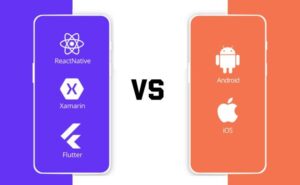
Mobile Application Development
Businesses increasingly require mobile applications for customers and employees.
Development services include:
- Android applications
- iOS applications
- Cross-platform apps
- Enterprise mobile apps
- Customer engagement apps
- Delivery applications
- Booking systems
Mobile software improves accessibility while supporting remote work and customer convenience.
Software Testing and Quality Assurance
Testing is a critical phase of software development.
Quality assurance teams perform:
- Functional testing
- Regression testing
- Performance testing
- Security testing
- Compatibility testing
- User acceptance testing
- Automation testing
Comprehensive testing reduces bugs and improves software reliability.
Maintenance and Support
Software requires continuous updates after deployment.
Ongoing support includes:
- Bug fixes
- Performance optimization
- Security updates
- Feature enhancements
- API maintenance
- Cloud monitoring
- Database optimization
Regular maintenance ensures software continues to perform efficiently.
Why Businesses Choose Custom Software Instead of Off-the-Shelf Solutions
Many businesses initially use ready-made software because it is inexpensive and easy to deploy. However, as organizations grow, these applications often become limiting.
Custom software addresses challenges that generic solutions cannot.
Better Business Alignment
Every organization has unique workflows.
Custom software adapts to:
- Internal operations
- Employee responsibilities
- Customer interactions
- Industry regulations
- Reporting requirements
- Approval workflows
Instead of changing business processes to fit software, the software is designed around the business.
Improved Scalability
Businesses evolve over time.
Custom applications can expand by adding:
- New users
- New departments
- Additional features
- Multiple locations
- Third-party integrations
- Automation capabilities
This flexibility supports long-term business growth.
Enhanced Security
Cybersecurity has become one of the biggest concerns for organizations.
Custom applications often include:
- Multi-factor authentication
- Role-based access control
- Data encryption
- Secure APIs
- Compliance management
- Audit logs
- Backup systems
Businesses handling sensitive customer information particularly benefit from customized security measures.
Higher Productivity
Automation reduces repetitive manual work.
Businesses can automate:
- Invoice generation
- Customer onboarding
- Inventory updates
- Appointment scheduling
- Email notifications
- Employee workflows
- Financial reporting
Automation allows employees to focus on higher-value tasks.
Industries That Benefit from Software Development for Businesses in NY
Nearly every industry depends on software to improve operations and customer experiences.
Healthcare
Healthcare organizations use software for:
- Electronic Health Records (EHR)
- Appointment scheduling
- Telemedicine
- Patient portals
- Medical billing
- Laboratory management
- Pharmacy systems
Healthcare software must comply with strict privacy and security standards while ensuring accurate patient data management.
Financial Services
Banks, insurance providers, fintech companies, and investment firms require highly secure software.
Financial applications commonly include:
- Online banking platforms
- Digital payment systems
- Loan management software
- Risk assessment tools
- Investment dashboards
- Fraud detection systems
- Accounting platforms
Security, compliance, and real-time processing are essential features for financial software.
Retail and eCommerce
Retail businesses use software to streamline both online and offline operations.
Common solutions include:
- Inventory management
- Point-of-sale (POS) systems
- Customer loyalty programs
- Order management
- Warehouse management
- eCommerce platforms
- Product recommendation engines
These systems improve customer experiences while helping businesses manage stock efficiently.
Education
Educational institutions increasingly rely on digital platforms for learning and administration.
Software solutions include:
- Learning Management Systems (LMS)
- Student information systems
- Online examination platforms
- Virtual classrooms
- Attendance tracking
- Course management portals
These applications make learning more accessible and simplify administrative tasks.
Logistics and Transportation
Logistics companies manage complex supply chains using specialized software.
Common applications include:
- Fleet management
- Route optimization
- GPS tracking
- Warehouse automation
- Shipment monitoring
- Delivery scheduling
- Driver management systems
Real-time visibility improves operational efficiency and customer satisfaction.
Manufacturing
Manufacturing companies are increasingly investing in digital technologies to improve production efficiency, monitor equipment, and reduce operational costs. A custom software development company in New York can build applications that integrate with factory equipment, inventory systems, and supply chain platforms to provide real-time visibility across operations.
Common manufacturing software includes:
- Manufacturing Execution Systems (MES)
- Production planning software
- Inventory control systems
- Warehouse management solutions
- Equipment monitoring dashboards
- Predictive maintenance platforms
- Procurement management systems
- Vendor management portals
These solutions help manufacturers minimize downtime, improve quality control, and make data-driven decisions.
Types of Custom Software Businesses Can Develop
Every organization has different goals, making custom software development an effective solution for unique operational needs. A trusted software development agency New York can design applications for businesses of all sizes.

Customer Relationship Management (CRM) Software
CRM software helps businesses manage customer interactions from the first inquiry through long-term support.
Typical CRM features include:
- Customer database
- Lead tracking
- Sales pipeline management
- Contact management
- Customer communication history
- Task automation
- Reporting dashboards
- Marketing integration
A customized CRM allows businesses to organize customer information while improving sales and customer service.
Enterprise Resource Planning (ERP) Systems
ERP software connects multiple business departments into one centralized platform.
Modules often include:
- Finance
- Human resources
- Procurement
- Inventory
- Manufacturing
- Sales
- Customer service
- Accounting
Instead of managing separate software for every department, ERP systems provide one unified business solution.
Human Resource Management Systems (HRMS)
Managing employees manually becomes increasingly difficult as organizations grow.
HR software simplifies:
- Employee onboarding
- Attendance tracking
- Payroll processing
- Performance reviews
- Leave management
- Recruitment
- Employee records
- Training management
Automation reduces paperwork while improving HR efficiency.
Inventory Management Software
Inventory software helps businesses monitor products throughout the supply chain.
Features often include:
- Stock tracking
- Barcode scanning
- Purchase orders
- Supplier management
- Warehouse monitoring
- Low-stock alerts
- Inventory forecasting
Accurate inventory management reduces waste and improves customer satisfaction.
Project Management Platforms
Project management applications help organizations coordinate teams, deadlines, and resources.
Popular features include:
- Task management
- Team collaboration
- Time tracking
- File sharing
- Milestone monitoring
- Budget tracking
- Resource allocation
- Reporting
Businesses managing multiple projects benefit from centralized planning and communication.
eCommerce Platforms
Online shopping continues to grow, creating demand for custom eCommerce solutions.
Features may include:
- Product catalogs
- Shopping carts
- Secure payment gateways
- Order tracking
- Customer accounts
- Discount management
- Inventory synchronization
- Analytics dashboards
A custom software development company New York can create scalable eCommerce platforms tailored to business requirements.
Modern Technologies Used by Software Development Companies in NYC
Technology continues to evolve rapidly. Leading software development companies in NYC adopt modern frameworks and tools to build reliable, scalable, and future-ready applications.
Artificial Intelligence (AI)
Artificial Intelligence is transforming business operations through automation and predictive insights.

Businesses use AI for:
- Customer support chatbots
- Predictive analytics
- Fraud detection
- Image recognition
- Recommendation systems
- Demand forecasting
- Natural Language Processing (NLP)
- Intelligent automation
AI enables businesses to improve efficiency while enhancing customer experiences.
Machine Learning
Machine Learning allows software to improve performance based on historical data.
Common applications include:
- Customer behavior analysis
- Sales forecasting
- Personalized recommendations
- Risk analysis
- Predictive maintenance
- Spam detection
- Medical diagnosis support
- Financial forecasting
Machine learning helps organizations make more informed business decisions.
Cloud Computing
Cloud infrastructure supports flexible and scalable software deployment.
Benefits include:
- Lower infrastructure costs
- Remote collaboration
- Automatic backups
- High availability
- Disaster recovery
- Easy scalability
- Faster software deployment
Cloud technologies support organizations with distributed teams and growing workloads.
Internet of Things (IoT)
IoT connects physical devices with software platforms.

Industries using IoT include:
- Manufacturing
- Healthcare
- Agriculture
- Smart buildings
- Logistics
- Energy
- Transportation
IoT solutions collect real-time data that improves operational efficiency.
Blockchain Technology
Blockchain offers secure and transparent digital record management.
Business applications include:
- Smart contracts
- Digital identity verification
- Supply chain tracking
- Financial transactions
- Asset management
- Healthcare records
Blockchain technology reduces fraud while improving transparency.
Big Data Analytics
Modern organizations generate enormous amounts of business data.
Analytics platforms help businesses understand:
- Customer preferences
- Operational performance
- Sales trends
- Marketing effectiveness
- Inventory demand
- Financial performance
- Business risks
Data-driven insights improve strategic planning and operational decision-making.
Essential Features of High-Quality Business Software
Successful software combines performance, usability, security, and scalability.
User-Friendly Interface
Employees and customers should easily navigate the software without extensive training.
Good user experience includes:
- Simple navigation
- Responsive design
- Clear layouts
- Fast loading pages
- Accessibility features
- Consistent design
User-friendly software encourages adoption and reduces errors.
Strong Security
Security should be incorporated throughout development rather than added later.
Security measures include:
- SSL encryption
- Secure authentication
- Multi-factor authentication
- Data encryption
- Regular vulnerability testing
- Role-based permissions
- Security monitoring
Protecting business and customer data is essential in today’s digital environment.
Scalability
Business software should support future growth without requiring complete redevelopment.
Scalable systems allow organizations to:
- Add users
- Expand locations
- Introduce new services
- Increase storage
- Handle higher traffic
- Integrate additional systems
Scalability protects long-term technology investments.
Integration Capabilities
Businesses often use multiple software platforms simultaneously.
Modern applications should integrate with:
- ERP systems
- CRM platforms
- Accounting software
- Payment gateways
- Marketing automation tools
- Email services
- Cloud storage
- Business intelligence platforms
System integration improves workflow efficiency and reduces duplicate work.
Automation
Automation increases productivity by reducing repetitive manual processes.
Common automation examples include:
- Invoice generation
- Approval workflows
- Appointment reminders
- Customer notifications
- Inventory updates
- Payroll processing
- Report generation
Automation reduces human error while saving valuable time.
Software Development Process Followed by Professional Development Teams
Building software requires structured planning and collaboration. Experienced software development companies in New York typically follow an organized development lifecycle.

Step 1: Requirement Analysis
The project begins by understanding:
- Business goals
- User expectations
- Existing challenges
- Technical requirements
- Compliance requirements
- Budget considerations
Clear requirements reduce misunderstandings later in development.
Step 2: Planning
Project planning includes:
- Timeline estimation
- Technology selection
- Team allocation
- Risk assessment
- Budget planning
- Milestone definition
Detailed planning keeps projects organized from start to finish.
Step 3: UI/UX Design
Designers create interactive prototypes before development begins.
Deliverables include:
- Wireframes
- User flows
- Interface mockups
- Responsive layouts
- Design systems
Early feedback helps identify improvements before coding starts.
Step 4: Software Development
Developers begin coding based on approved designs and technical architecture.
Development may include:
- Front-end programming
- Back-end development
- API integration
- Database creation
- Cloud infrastructure setup
- Security implementation
Many teams use Agile methodologies with short development sprints to deliver incremental improvements and gather regular stakeholder feedback.
Step 5: Quality Assurance
Before release, the application undergoes comprehensive testing to verify functionality, performance, compatibility, and security.
Testing activities include:
- Unit testing
- Integration testing
- Functional testing
- Performance testing
- Security testing
- User Acceptance Testing (UAT)
Identifying issues before deployment reduces maintenance costs and improves user confidence.
Step 6: Deployment
Once the software passes testing and receives approval, it is deployed to the production environment. Depending on business requirements, deployment may occur on cloud infrastructure, on-premises servers, or a hybrid environment.
Deployment activities include:
- Production server configuration
- Database migration
- Application release
- Security verification
- Performance monitoring
- Backup configuration
- User access management
A well-planned deployment minimizes downtime and ensures a smooth transition for users.
Step 7: Ongoing Maintenance and Support
Software development does not end after deployment. Businesses must continually update applications to keep pace with changing technologies, security threats, and user expectations.
Post-launch services typically include:
- Software updates
- Bug fixes
- Security patches
- Performance optimization
- Feature enhancements
- API updates
- Database maintenance
- Technical support
Continuous improvement helps software remain valuable over the long term.
Benefits of Working with a Custom Software Development Company in New York
Choosing a custom software development company in New York provides businesses with access to experienced engineers, modern technologies, and structured development processes. Custom solutions are designed to solve specific operational challenges while supporting future growth.

Some of the key benefits include:
Personalized Business Solutions
Every organization has unique workflows, goals, and customer expectations. Custom software is designed specifically around those requirements instead of forcing teams to adapt to generic applications.
Improved Operational Efficiency
Automation and centralized systems reduce repetitive tasks, improve communication, and eliminate manual data entry. Employees can spend more time on strategic activities rather than administrative work.
Better Customer Experience
Businesses can provide faster services, personalized experiences, self-service portals, and seamless communication through custom-built applications.
Examples include:
- Customer dashboards
- Online appointment scheduling
- Order tracking
- Secure payment systems
- Personalized recommendations
- Mobile applications
Long-Term Cost Savings
Although custom software may require a higher initial investment than off-the-shelf products, it often lowers long-term costs by reducing licensing fees, minimizing manual work, and decreasing reliance on multiple disconnected systems.
Greater Flexibility
As organizations evolve, custom software can be expanded with new modules, integrations, users, and features without replacing the entire system.
This flexibility makes custom development a sustainable technology investment.
Common Challenges During Software Development
Software projects can face obstacles if planning and communication are not managed effectively. Understanding these challenges helps businesses prepare realistic expectations.
Changing Requirements
Business priorities may shift during development. Managing changes through clear documentation and Agile planning helps reduce delays and budget overruns.
Integration with Existing Systems
Many organizations already use accounting software, CRM platforms, ERP systems, or legacy applications. Integrating new software with these systems requires careful architecture and testing.
Data Security
Protecting sensitive business and customer information is essential. Security measures should be incorporated throughout the Software Development Life Cycle (SDLC), including secure coding practices, encryption, regular security audits, and compliance with industry regulations.
Scalability Planning
Applications should be designed to accommodate future growth. Failing to plan for increased users, larger datasets, or higher transaction volumes can result in performance issues later.
User Adoption
Even well-built software can fail if employees find it difficult to use. Investing in intuitive UI/UX design, user training, and ongoing support encourages successful adoption.
How to Choose the Right Software Development Agency in New York
Selecting the right software development agency New York is an important business decision. Evaluating technical expertise, communication, and development practices can help ensure project success.

Consider the following factors:
Industry Experience
Look for experience in your industry, whether it is healthcare, finance, retail, education, logistics, manufacturing, or real estate. Industry knowledge often leads to better solutions and faster project execution.
Technical Expertise
Assess proficiency in modern technologies such as:
- React
- Angular
- Vue.js
- Node.js
- .NET
- Java
- Python
- PHP
- Laravel
- Spring Boot
- Flutter
- React Native
- AWS
- Microsoft Azure
- Google Cloud Platform
A broad technology stack enables development teams to choose the most suitable tools for each project.
Development Methodology
Many organizations prefer Agile methodologies because they promote collaboration, incremental delivery, and flexibility. Agile frameworks such as Scrum and Kanban allow businesses to review progress regularly and adapt to changing requirements.
Communication and Transparency
Clear communication is critical throughout the project lifecycle. Regular status updates, sprint reviews, project documentation, and collaborative tools help keep stakeholders informed and aligned.
Quality Assurance
A reliable development partner should have a dedicated QA process that includes automated and manual testing, code reviews, security assessments, and performance optimization before release.
Post-Launch Support
Software requires continuous monitoring and updates. Confirm that the development team offers maintenance, technical support, and feature enhancements after deployment.
Future Trends in Software Development
Technology continues to evolve, and businesses are adopting new approaches to remain competitive. Several trends are shaping the future of software development for businesses NY and around the world.
Artificial Intelligence Integration
AI-powered applications are becoming increasingly common for customer support, business analytics, workflow automation, predictive maintenance, and personalized user experiences.
Low-Code and No-Code Platforms
These platforms allow businesses to create simple applications more quickly. While they accelerate development for certain use cases, complex enterprise systems still require traditional custom software development.
Cloud-Native Development
Organizations are increasingly building applications specifically for cloud environments using microservices, containers, and serverless computing. Cloud-native architectures improve scalability, resilience, and deployment speed.
Cybersecurity-First Development
With the rise in cyber threats, security is now integrated into every phase of development. Practices such as DevSecOps, zero-trust architecture, continuous monitoring, and automated vulnerability scanning help strengthen application security.
Data-Driven Decision Making
Businesses rely on dashboards, analytics, and Business Intelligence (BI) tools to monitor performance, identify trends, and support strategic planning. Integrating analytics into custom software enables organizations to make informed decisions based on real-time data.
Why Custom Software Continues to Be a Strategic Investment
Digital transformation is no longer limited to large enterprises. Small and medium-sized businesses are also adopting custom software to improve efficiency, reduce operational costs, and deliver better customer experiences.
Whether the requirement involves a CRM platform, ERP solution, cloud application, AI-powered system, mobile app, or enterprise portal, custom software provides the flexibility to address specific business needs. Unlike generic software, it can evolve alongside the organization, supporting growth, innovation, and changing market demands.
Organizations working with experienced teams such as Maven Swami can approach software projects with a focus on scalability, security, usability, and long-term value. By combining thoughtful planning, modern technologies, and continuous improvement, businesses can create software solutions that support sustainable growth in an increasingly digital economy.
Frequently Asked Questions (FAQs)
1. What is a custom software development company in New York?
A custom software development company in New York designs and builds software tailored to the specific requirements of a business instead of offering standardized, off-the-shelf applications.
2. Why should businesses choose custom software?
Custom software offers greater flexibility, stronger security, easier integration with existing systems, improved scalability, and features designed around unique business processes.
3. Which industries benefit from software development services?
Industries including healthcare, finance, retail, manufacturing, logistics, education, real estate, hospitality, and professional services commonly use custom software to improve operations and customer experiences.
4. What technologies do software development companies use?
Modern development teams work with technologies such as Java, Python, .NET, PHP, Node.js, React, Angular, Flutter, React Native, AWS, Azure, Google Cloud, Artificial Intelligence, Machine Learning, Blockchain, and IoT.
5. How long does custom software development take?
Project timelines vary depending on complexity. Small applications may take a few months, while enterprise platforms with multiple integrations can require six months or longer.
6. What is the difference between off-the-shelf and custom software?
Off-the-shelf software is designed for a broad audience with standardized features. Custom software is developed specifically for an organization’s workflows, goals, and operational requirements.
7. Can custom software integrate with existing business systems?
Yes. Custom applications can integrate with CRM platforms, ERP systems, accounting software, payment gateways, cloud services, marketing automation tools, and other third-party applications through APIs and secure integrations.
8. Why is software maintenance important?
Regular maintenance keeps applications secure, compatible with new technologies, and optimized for performance. It also ensures that new business requirements can be addressed through updates and enhancements.
Final Thoughts
As businesses continue to embrace digital transformation, demand for software development companies in New York continues to grow across industries. From startups building innovative products to enterprises modernizing legacy systems, custom software plays a vital role in improving efficiency, enhancing customer experiences, and enabling data-driven decision-making.
Choosing the right software development company in New York involves evaluating technical expertise, industry experience, development methodologies, and long-term support capabilities. Whether the goal is to build a cloud-native application, enterprise platform, mobile solution, or AI-powered business tool, custom development offers flexibility that standardized software cannot match.
By partnering with experienced organizations like Maven Swami, businesses can create secure, scalable, and future-ready software solutions aligned with their operational objectives. As technologies such as Artificial Intelligence, Machine Learning, Cloud Computing, Blockchain, and the Internet of Things continue to evolve, investing in well-designed custom software positions organizations to adapt, innovate, and remain competitive in New York’s dynamic business environment.