
The digital era has transformed the way businesses operate, communicate, and interact with customers. In particular, mobile applications have become essential tools for businesses looking to engage users effectively. California, with its vibrant tech ecosystem and innovation-driven culture, is at the forefront of mobile app development. Companies across the state are leveraging advanced technologies to create mobile experiences that are seamless, scalable, and user-centric. Maven Swami, a leader in mobile app development, offers insight into trends, best practices, and the evolving landscape of app development in California.
Understanding Mobile App Development in California
Mobile app development in California spans various industries, from finance and healthcare to entertainment and education. The state’s tech hubs, such as San Francisco, Los Angeles, and Silicon Valley, have given rise to numerous mobile app development companies that provide end-to-end solutions. These solutions range from conceptualization and design to development, testing, and deployment.

The increasing reliance on smartphones and tablets has shifted user expectations toward intuitive interfaces and fast, reliable performance. As a result, mobile app developers in California are focusing on enhancing user experiences while ensuring apps are optimized for performance and security.
Key Drivers of Mobile App Development in California
- Technological Advancements: Innovations in AI, machine learning, and cloud computing are shaping the development of modern mobile apps. Companies integrate these technologies to create intelligent, adaptive applications that cater to individual user preferences.
- User-Centric Design: Businesses now prioritize mobile-first experiences, with emphasis on smooth navigation, appealing visuals, and engaging functionalities. Mobile app developers in California ensure that applications provide a cohesive and consistent user experience across devices.
- Startup Ecosystem: California is home to numerous startups, particularly in San Francisco and Silicon Valley, which rely on mobile apps to connect with customers. The demand for agile, scalable, and innovative solutions drives the mobile app development industry in the region.
- Market Competition: With a high density of tech companies, businesses in California continuously innovate to stay ahead. This competitive environment encourages the adoption of modern app development methodologies, such as Agile and DevOps.
Android App Development in California
Android remains one of the most widely used mobile operating systems globally. Businesses seeking to reach a broad audience often prioritize Android app development due to its extensive user base and open-source ecosystem.

Why Choose Android App Development
- Wider Reach: Android devices account for a significant share of the global smartphone market. Developing Android apps ensures that businesses can engage a diverse and extensive audience.
- Customizability: Android’s open-source nature allows developers to customize applications to meet specific business needs. This flexibility is particularly valuable for companies in California’s dynamic market.
- Integration with Emerging Technologies: Android apps can easily integrate with cloud services, AI-powered tools, and IoT devices, enhancing functionality and user experience.
Android App Development Companies in San Francisco
San Francisco is a hub for innovation, attracting top mobile app development talent. Android app development companies in the city focus on creating applications that are visually appealing, highly functional, and technically robust. These companies combine expertise in Java, Kotlin, and modern development frameworks to deliver solutions that meet industry standards and user expectations.
Mobile App Development Companies in San Francisco
San Francisco hosts a diverse range of mobile app development companies, from boutique agencies to large enterprises. These companies offer comprehensive services, including:
- UI/UX Design: Crafting intuitive, user-friendly interfaces that enhance engagement.
- Cross-Platform Development: Building apps compatible with both Android and iOS.
- App Maintenance and Support: Ensuring apps remain updated, secure, and optimized.
- Custom Software Solutions: Tailoring applications to meet unique business requirements.
Trends in San Francisco Mobile App Development
- AI and Machine Learning Integration: Developers are incorporating AI for personalized user experiences, predictive analytics, and intelligent automation.
- Cloud-Based Apps: Cloud technologies allow apps to provide seamless access to data and services, improving efficiency and scalability.
- AR and VR Applications: Augmented and virtual reality apps are gaining traction, especially in entertainment, real estate, and retail sectors.
- Security and Privacy: With growing concerns around data security, developers are prioritizing secure coding practices and compliance with regulations.
Best Practices for Mobile App Development
Effective mobile app development requires a strategic approach. Companies like Maven Swami emphasize these best practices:

- Define Clear Objectives: Understanding business goals and user needs is the foundation of successful app development.
- User-Centric Design: Designing with the end-user in mind ensures higher engagement and retention rates.
- Agile Methodology: Iterative development allows for rapid prototyping, testing, and refinement.
- Cross-Platform Compatibility: Developing apps for multiple platforms ensures a wider reach and consistent user experience.
- Performance Optimization: Efficient coding, caching, and load management are critical to app performance.
- Regular Updates and Maintenance: Continuous improvement helps maintain relevance, security, and functionality.
Challenges in Mobile App Development
Despite the opportunities, mobile app development in California faces several challenges:
- Intense Competition: With numerous apps launched daily, standing out requires innovation and strategic marketing.
- Rapid Technological Changes: Developers must stay updated with new frameworks, tools, and industry trends.
- Security Concerns: Protecting user data and ensuring compliance with regulations like GDPR is paramount.
- Device Fragmentation: Developing apps compatible with various devices, screen sizes, and operating systems can be complex.
Emerging Technologies in Mobile App Development
California’s mobile app development scene is continuously evolving, driven by emerging technologies. Some notable trends include:
- Artificial Intelligence and Machine Learning: AI-powered apps can analyze user behavior, predict preferences, and automate tasks.
- Internet of Things (IoT): Integration with smart devices enables innovative applications in healthcare, smart homes, and industrial automation.
- Blockchain Technology: Blockchain apps enhance security, transparency, and trust in sectors such as finance and supply chain management.
- AR and VR Experiences: Augmented and virtual reality applications are revolutionizing gaming, education, and retail.
Selecting the Right Mobile App Development Partner
Choosing a reliable app development partner is crucial for project success. Companies like Maven Swami recommend evaluating potential partners based on:
- Experience and Portfolio: Review previous projects to assess technical expertise and industry knowledge.
- Development Approach: Ensure the company uses modern methodologies and tools that align with your project requirements.
- Client Reviews and Testimonials: Feedback from previous clients provides insight into reliability and quality of work.
- Post-Launch Support: Ongoing maintenance, updates, and troubleshooting are critical for long-term app success.
The Strategic Importance of Mobile Apps for Businesses in California
Mobile applications have evolved from being mere tools for convenience to becoming strategic assets for businesses. In California’s fast-paced economy, companies across industries—ranging from e-commerce and healthcare to education and finance—leverage mobile apps to strengthen customer relationships, streamline operations, and enhance brand visibility.

A well-developed mobile app provides businesses with the ability to:
- Reach a Wider Audience: With the proliferation of smartphones, users increasingly prefer mobile applications over websites for daily interactions. Businesses can target local, regional, and even global audiences through Android and iOS platforms.
- Enhance Customer Engagement: Mobile apps offer personalized experiences, push notifications, and interactive features that encourage frequent usage. Engagement metrics, such as session duration and user retention, often outperform traditional web platforms.
- Collect Actionable Insights: Apps can track user behavior, preferences, and purchase patterns. By analyzing these insights, businesses can make informed decisions to improve services, introduce new offerings, or optimize marketing strategies.
- Build Brand Loyalty: Consistent, high-quality user experiences foster trust and loyalty. Mobile apps that offer seamless performance and personalized interactions can turn casual users into long-term advocates.
Emerging Trends in Mobile App Development in California
California’s mobile app development industry thrives on innovation. Developers constantly adopt new technologies to create applications that meet evolving user expectations. Some key trends include:
1. Cross-Platform Development
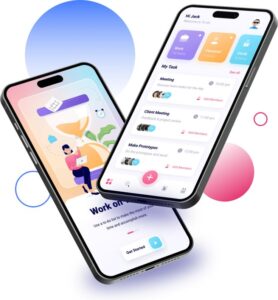
Cross-platform app development allows developers to create applications that run seamlessly on multiple platforms, including Android and iOS. Tools like React Native, Flutter, and Xamarin are popular among California developers for their ability to reduce development time and cost while maintaining high performance.
Benefits of Cross-Platform Apps:
- Faster time-to-market
- Cost efficiency
- Consistent user experience across platforms
- Easier maintenance and updates
2. AI and Machine Learning Integration
Artificial Intelligence (AI) and machine learning are transforming the functionality of mobile apps. AI algorithms enable applications to provide personalized recommendations, automate customer service through chatbots, and predict user behavior for targeted marketing campaigns.
Applications of AI in Mobile Apps:
- Predictive analytics for e-commerce apps
- Intelligent personal assistants for productivity apps
- Fraud detection in finance applications
- Health monitoring and personalized recommendations in wellness apps
3. Internet of Things (IoT) Applications
The IoT revolution has opened opportunities for mobile app developers to create applications that interact with smart devices. From smart home solutions to wearable health monitors, IoT-connected apps provide users with real-time data and automation capabilities.
Popular IoT App Use Cases:
- Smart home control apps for lighting, temperature, and security
- Fitness trackers connected to wearable devices
- Industrial IoT apps for monitoring machinery performance
- Healthcare apps for remote patient monitoring
4. Cloud-Based Mobile Applications
Cloud computing enables apps to access and store data efficiently, providing scalability and flexibility. Mobile apps in California increasingly rely on cloud infrastructure to manage user data, deliver real-time updates, and ensure high availability.
Advantages of Cloud-Enabled Apps:
- Reduced storage burden on devices
- Seamless data synchronization across devices
- Improved app performance and scalability
- Cost-effective infrastructure management
5. Augmented Reality (AR) and Virtual Reality (VR)
AR and VR are becoming popular in sectors like retail, entertainment, education, and real estate. AR apps can overlay digital information onto the physical world, while VR creates immersive environments for users.
Examples of AR/VR Applications:
- Virtual property tours in real estate
- Interactive learning experiences for educational apps
- AR-enabled shopping apps to visualize products in real life
- VR-based gaming and entertainment apps
6. Voice-Enabled Apps
Voice recognition and natural language processing (NLP) are increasingly integrated into mobile apps. Voice-enabled functionality allows users to perform tasks hands-free, improving accessibility and convenience.
Use Cases of Voice-Activated Apps:
- Virtual assistants for task management and reminders
- Voice-based navigation for travel and maps
- Hands-free shopping experiences in e-commerce apps
- Healthcare apps for recording and tracking patient data
Key Considerations When Choosing an Android App Development Company in San Francisco
San Francisco is a hotbed for technological innovation, attracting some of the best Android app developers in the industry. Selecting the right development partner involves careful evaluation of several factors:

1. Expertise and Technical Proficiency
A competent Android app development company should demonstrate expertise in core programming languages such as Java and Kotlin. Additionally, familiarity with modern frameworks, cloud integration, and third-party API usage ensures robust app functionality.
2. Portfolio and Case Studies
Analyzing previous projects provides insight into the company’s capability to handle projects similar in complexity and scope. It also highlights their design aesthetics, technical skills, and industry-specific experience.
3. Agile Development Methodology
Agile development allows for iterative progress, with frequent testing and feedback loops. Companies that employ Agile can adapt to changes more efficiently and deliver higher-quality apps in shorter timeframes.
4. Post-Launch Support and Maintenance
Launching an app is only the beginning. Reliable companies provide ongoing support, including bug fixes, updates, performance optimization, and security patches, ensuring the app remains relevant and fully functional.
5. Client Testimonials and Reviews
Feedback from previous clients serves as a reliable indicator of trustworthiness, quality of service, and project management capabilities. Positive reviews reflect not only technical competence but also professionalism and client satisfaction.
Enhancing User Experience in Mobile Apps
User experience (UX) is the cornerstone of any successful mobile application. Mobile app development companies in California focus on delivering apps that are intuitive, responsive, and visually appealing.
UX Design Best Practices:
- Simple Navigation: Easy-to-use menus and logical workflows help users accomplish tasks quickly.
- Fast Loading Speeds: Apps should load instantly, minimizing bounce rates and frustration.
- Consistent Visual Language: Uniform color schemes, fonts, and icons enhance brand recognition.
- Accessibility: Apps should be usable by individuals with disabilities, adhering to accessibility standards.
- Feedback Mechanisms: In-app notifications, confirmations, and error messages guide users effectively.
Importance of Mobile App Performance
High-performance apps ensure smooth functionality and positive user experiences. Key aspects include:
- Efficient Code Optimization: Properly structured code reduces crashes and enhances responsiveness.
- Battery and Data Usage Optimization: Apps should minimize battery drain and data consumption.
- Security Measures: Encryption, secure authentication, and data protection maintain user trust.
Industry-Specific Mobile App Development in California
Different industries have unique requirements when it comes to mobile applications. Companies in California develop industry-focused apps to address specific challenges and opportunities:

1. Healthcare Apps
Healthcare apps streamline patient care, manage appointments, and provide remote monitoring. Features include electronic health records (EHR), telemedicine consultations, and medication reminders.
2. Fintech Apps
Financial applications allow users to manage banking, investments, and payments on the go. Security, real-time updates, and fraud detection are critical in this sector.
3. Retail and E-Commerce Apps
Mobile apps enhance shopping experiences through product catalogs, digital wallets, personalized recommendations, and AR-based try-on features.
4. Educational Apps
EdTech applications provide interactive learning, video lectures, quizzes, and performance tracking, making education accessible and engaging.
5. Travel and Hospitality Apps
Travel apps simplify booking, navigation, itinerary management, and personalized recommendations, improving user convenience.
The Future of Mobile App Development in California
The mobile app industry in California is poised for continued growth. Emerging technologies such as AI, blockchain, AR/VR, and IoT will further revolutionize app development, offering new functionalities and business models.
Predictions for the Next Decade:
- Increased Automation: AI will automate app testing, bug detection, and user support.
- Greater Personalization: Advanced analytics will enable hyper-personalized app experiences.
- Sustainable Development Practices: Companies will adopt eco-friendly coding and cloud solutions.
- Enhanced Security Protocols: With rising cybersecurity threats, robust app security will be prioritized.
- Expansion of AR/VR Applications: These technologies will become mainstream across industries beyond gaming and entertainment.
Importance of Innovation in App Development
Innovation remains a key differentiator in the competitive California market. Mobile app developers are expected to constantly experiment with new technologies, design approaches, and user engagement strategies.
- Prototyping and Experimentation: Rapid prototyping helps test ideas before full-scale implementation.
- User Feedback Integration: Incorporating user suggestions ensures apps evolve according to real-world needs.
- Collaboration Across Teams: Designers, developers, and marketers must work cohesively to deliver high-quality apps.
Conclusion
Mobile app development in California is a dynamic and rapidly evolving field. With a robust tech ecosystem, a skilled workforce, and a culture of innovation, the state provides fertile ground for businesses to develop high-quality mobile applications. Android app development, in particular, continues to grow, offering opportunities to reach diverse audiences through customizable and scalable solutions.
San Francisco, as a leading tech hub, houses mobile app development companies that deliver cutting-edge solutions, integrating AI, IoT, and cloud technologies to enhance user experiences. Companies like Maven Swami emphasize user-centric design, performance optimization, and adherence to industry best practices to deliver apps that are both functional and engaging.
For businesses aiming to thrive in a mobile-first world, understanding trends, leveraging emerging technologies, and partnering with experienced development companies are key strategies for success. Mobile app development in California represents not just a technological opportunity but a strategic avenue for business growth, innovation, and digital transformation.