
Businesses in San Antonio are increasingly investing in mobile applications to connect with customers, streamline operations, and expand their brand reach. Whether you are a startup, a growing business, or an established enterprise, selecting the right approach to app development is critical for achieving your goals. Maven Swami specializes in native vs hybrid app development services, helping businesses make informed decisions, hire expert developers, and optimize costs without compromising quality.
Table of Contents
Toggle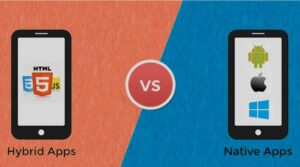
This guide will cover everything from the cost of native vs hybrid app development, mobile app development solutions, to the best practices for hiring developers and consulting with professional teams.
Understanding Native and Hybrid App Development
Before diving into the differences and considerations, it is important to understand what native and hybrid apps are and how they impact your business.
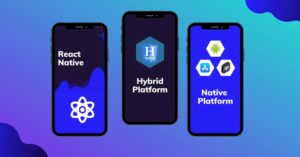
Native App Development
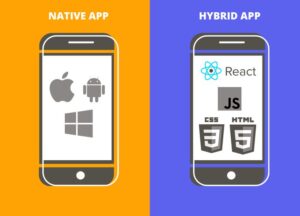
Native apps are developed specifically for a particular operating system, such as iOS or Android. These apps are built using platform-specific programming languages—Swift or Objective-C for iOS, and Java or Kotlin for Android.
Advantages of native apps include:
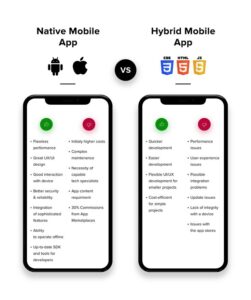
- High performance: Native apps are faster and provide smoother experiences due to direct access to device hardware.
- Better user experience (UX): Native apps adhere to platform-specific design guidelines, making them more intuitive for users.
- Full access to device features: Cameras, GPS, push notifications, and sensors are fully accessible.
- Enhanced security: Native apps offer better protection against vulnerabilities and cyber threats.
However, developing separate apps for each platform can increase native app development pricing, making it potentially costly for businesses with limited budgets.
Hybrid App Development
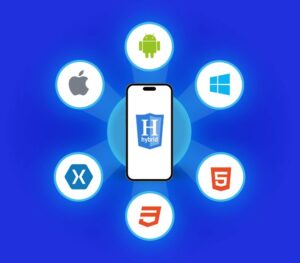
Hybrid apps are built using web technologies like HTML, CSS, and JavaScript and then wrapped in a native container. This approach allows a single codebase to run across multiple platforms, such as iOS and Android.
Advantages of hybrid apps include:
- Cost-effectiveness: Maintaining a single codebase reduces development and maintenance costs.
- Faster development time: Hybrid apps can be deployed more quickly than developing separate native apps.
- Cross-platform compatibility: One app works on multiple devices without needing separate development efforts.
- Simplified updates: Changes can be applied across platforms simultaneously.
While hybrid apps offer flexibility, they may sometimes have slightly slower performance and limited access to advanced device features compared to native apps.
Mobile App Development Solutions for San Antonio Businesses
Businesses in San Antonio have unique needs depending on their industry, target audience, and business goals. Maven Swami offers comprehensive mobile app development solutions, catering to both native and hybrid approaches.
Custom Mobile App Development Services
Custom apps are tailored to a business’s specific requirements, ensuring a unique user experience and aligning perfectly with business objectives.
Key benefits include:
- Tailored user interfaces and features
- Scalability for future growth
- Integration with existing systems like CRM, ERP, and e-commerce platforms
- Improved engagement and customer retention
For businesses looking to hire native or hybrid app developers, Maven Swami ensures you get the right expertise for building efficient and scalable apps.
Consulting Services
Selecting the right development approach can be challenging, especially for small and medium-sized businesses. Maven Swami offers native vs hybrid app development consultancy to help businesses in San Antonio make informed decisions.
Consultancy services include:
- Evaluating business goals and target audience
- Analyzing cost and timeline for native vs hybrid apps
- Assessing technical requirements and device feature needs
- Providing detailed project roadmaps and recommendations
Cost of Native vs Hybrid App Development
Budget is one of the most important considerations when planning a mobile app. The cost of native vs hybrid app development varies depending on the complexity, features, and platform.
Factors Affecting Native App Development Pricing
- Platform: Developing separate apps for iOS and Android increases costs.
- Features: Advanced functionalities like augmented reality, real-time chat, or payment integration add to expenses.
- Design Complexity: Highly interactive and visually rich apps require more development hours.
- Maintenance: Updates and bug fixes need separate efforts for each platform.
Factors Affecting Hybrid App Development Pricing
- Single Codebase: A shared codebase across platforms reduces development and maintenance costs.
- Integration Requirements: Connecting with native APIs or third-party services may affect pricing.
- Performance Optimization: Some hybrid apps may need extra work to optimize performance on different devices.
In general, hybrid apps tend to be more cost-effective, especially for businesses that want to target multiple platforms quickly.
Choosing Between Native and Hybrid Apps
Selecting the right approach depends on your business needs, budget, and user experience goals.
Consider native apps if:
- You require high-performance, graphics-intensive applications
- You want full access to device-specific features
- User experience and app responsiveness are critical
- You are targeting a single platform first
Consider hybrid apps if:
- You want to launch quickly across multiple platforms
- Budget constraints are a concern
- You need easy maintenance and updates
- Your app relies on standard features without heavy graphics or processing needs
Maven Swami provides a detailed comparison and consultancy services to guide businesses in San Antonio toward the best decision.
Hiring Native or Hybrid App Developers
Hiring skilled developers is crucial for delivering high-quality mobile applications.
Key considerations when hiring developers:
- Experience: Look for developers with proven experience in either native or hybrid platforms.
- Portfolio: Review previous projects to assess quality, design, and functionality.
- Technical Skills: Ensure developers have expertise in the relevant languages, frameworks, and tools.
- Communication: Effective communication is essential for successful project collaboration.
- Support and Maintenance: Check if developers offer post-launch support and updates.
For San Antonio businesses, Maven Swami provides access to highly skilled native and hybrid app developers, ensuring your project meets technical and business requirements.
Benefits of Professional Mobile App Development Services
Working with a professional native vs hybrid app development company offers several advantages:
- Quality Assurance: Rigorous testing ensures apps are bug-free and reliable.
- Efficient Project Management: Experienced teams handle timelines, resources, and milestones effectively.
- Scalability: Apps can grow alongside your business, supporting more users and features over time.
- Compliance and Security: Apps meet platform guidelines and industry security standards.
- Future-Ready: Developers implement best practices and latest technologies, ensuring long-term relevance.
Best Practices for San Antonio Businesses
To maximize ROI and app success, consider these best practices for native and hybrid app development:
- Define Clear Objectives: Understand what you want to achieve—customer engagement, sales growth, or operational efficiency.
- Focus on User Experience: Intuitive design and smooth functionality lead to higher user retention.
- Prioritize Performance: Fast-loading and responsive apps improve user satisfaction.
- Integrate Analytics: Track user behavior to make informed updates and improvements.
- Leverage Local Insights: For San Antonio businesses, local trends and user behavior can inform design and features.
- Iterative Development: Use agile methodologies to launch MVPs, gather feedback, and iterate quickly.
Emerging Trends in Mobile App Development
The mobile app landscape is constantly evolving. Staying updated ensures your business remains competitive:
- AI and Machine Learning: Personalization and intelligent recommendations enhance user engagement.
- AR/VR Capabilities: Immersive experiences for retail, education, and entertainment apps.
- IoT Integration: Connecting apps to smart devices for automation and improved functionality.
- 5G Optimization: Faster connectivity allows real-time features like video streaming and cloud-based apps.
- Progressive Web Apps (PWA): Hybrid apps that behave like native apps, offering cost efficiency and wider reach.
Maven Swami incorporates these trends into custom mobile app development services, ensuring San Antonio businesses stay ahead of the curve.
Measuring App Success
After development, measuring app success is essential for continuous improvement. Key metrics include:
- App Downloads: Number of users installing your app
- Active Users: Daily or monthly active user engagement
- Retention Rate: How many users return over time
- In-App Conversions: Purchases, sign-ups, or inquiries completed through the app
- Performance Metrics: Loading speed, crash reports, and responsiveness
- User Feedback: Ratings and reviews help improve UX and features
Why Maven Swami Is a Trusted Choice for App Development in San Antonio
Maven Swami offers a professional, results-driven approach to native vs hybrid app development consultancy. Key differentiators include:
- Experienced developers proficient in both native and hybrid frameworks
- Transparent cost estimates and native vs hybrid app development pricing
- End-to-end custom mobile app development services
- Focus on local businesses in San Antonio with tailored solutions
- Comprehensive post-launch support and updates
Partnering with Maven Swami ensures your mobile app project is managed efficiently, delivered on time, and aligned with your business objectives.
Detailed Comparison: Native vs Hybrid App Development
Choosing between native vs hybrid app development is not just a technical decision; it also affects your business strategy, cost efficiency, user satisfaction, and long-term growth. Here’s a closer comparison to help San Antonio businesses make an informed choice:
Performance and Speed
Native Apps:
- Typically faster due to platform-specific coding.
- Smooth animations, transitions, and graphics-intensive features are easier to implement.
- Suitable for apps requiring high responsiveness, like gaming, AR/VR, or streaming services.
Hybrid Apps:
- Performance depends on the efficiency of the framework and the web container.
- Some complex operations may experience slight delays.
- Ideal for simpler apps with standard functionality across platforms.
Insight: For San Antonio businesses with time-sensitive operations or heavy user interactions, native apps may be preferable. For broader market reach and faster deployment, hybrid apps remain cost-efficient.
Development Timeline
Native Development:
- Separate coding for iOS and Android increases development time.
- Updates need to be implemented twice for each platform.
Hybrid Development:
- Single codebase accelerates development.
- Updates can be deployed simultaneously across multiple platforms.
Insight: Startups or businesses looking to launch quickly in San Antonio may benefit from hybrid app solutions to test market response before committing to a full native development.
Cost Efficiency and ROI
Native Apps:
- Higher upfront costs due to dual development efforts.
- Maintenance and updates can be costlier.
Hybrid Apps:
- Lower development cost due to shared codebase.
- Easier to maintain, resulting in long-term savings.
Insight: Hybrid apps can reduce initial investment while providing adequate functionality, making them appealing for San Antonio small and medium enterprises (SMEs) looking for a strong ROI.
User Experience (UX) and Design
Native Apps:
- Follow platform-specific design guidelines (Material Design for Android, Human Interface Guidelines for iOS).
- Seamless UX with fluid gestures, animations, and high responsiveness.
Hybrid Apps:
- Design consistency across platforms can be achieved, but may lack the fluidity of native UI components.
- Adequate for apps that prioritize functionality over intricate UX.
Insight: Businesses in San Antonio with a strong brand focus should consider native app development for enhanced UX. Hybrid apps can still be effective for broader reach without intricate interactions.
Choosing the Right Development Approach: Factors for San Antonio Businesses
Here are practical considerations to guide decision-making:
1. Business Goals
- Are you targeting local San Antonio users, or a broader national/international audience?
- Is the app meant to drive engagement, improve operations, or increase sales?
2. Budget Constraints
- Determine your maximum investment for native app development pricing versus hybrid app development pricing.
- Consider potential long-term costs, including updates, maintenance, and scalability.
3. Required Features
- Heavy reliance on device hardware (GPS, camera, AR) favors native development.
- Standard features like forms, content display, or e-commerce can be efficiently implemented with hybrid apps.
4. Time-to-Market
- Rapid deployment favors hybrid apps.
- Complex, performance-intensive apps require native development.
5. Long-Term Strategy
- Businesses planning future expansion, integration with advanced technologies, or high user expectations may find native apps more sustainable.
- Hybrid apps can serve as MVPs (Minimum Viable Products) to validate market demand before full native development.
Steps to Hire Native or Hybrid App Developers in San Antonio
Hiring the right developers is critical to achieving your app goals. Maven Swami emphasizes a structured approach:
Step 1: Define Your Requirements
- List features, target platforms, user demographics, and business objectives.
- Identify whether a native or hybrid solution aligns with your goals.
Step 2: Evaluate Expertise
- Check developers’ experience with Swift, Kotlin, React Native, Flutter, or Xamarin.
- Review portfolios for apps deployed in San Antonio or similar markets.
Step 3: Assess Communication Skills
- Effective communication ensures requirements are clearly understood.
- Look for teams that provide regular updates and transparent timelines.
Step 4: Consider Post-Launch Support
- Choose developers offering updates, bug fixes, and technical support.
- Maintenance is essential for San Antonio businesses targeting active mobile users.
Step 5: Review Pricing Models
- Compare native vs hybrid app development pricing to balance cost and quality.
- Look for clear breakdowns: development, testing, deployment, and post-launch support.
Custom Mobile App Development Services: Why They Matter
San Antonio businesses benefit from custom mobile app development services tailored to their unique needs.
Advantages of Custom Development:
- Apps are designed specifically for your business workflow and audience.
- Integration with local payment systems, inventory management, and CRM tools is seamless.
- Scalable solutions support growth in San Antonio and beyond.
- Branding, UX, and features align with your business identity.
Custom apps often outperform off-the-shelf solutions because they provide functionality and flexibility tailored to user needs.
Native vs Hybrid App Development Consultancy
Professional consultancy helps San Antonio businesses make data-driven decisions. Maven Swami’s consultancy services include:
- Feasibility Analysis: Determine whether a native or hybrid app suits your project.
- Cost-Benefit Analysis: Compare long-term ROI, development time, and maintenance costs.
- Platform Recommendations: Suggest iOS, Android, or cross-platform solutions based on user demographics.
- Project Roadmap: Outline milestones, timelines, and deployment strategies.
- Risk Assessment: Identify potential challenges and mitigation strategies.
Consultancy ensures businesses avoid common pitfalls, optimize resources, and achieve their app development goals efficiently.
Integrating Advanced Features in Mobile Apps
For businesses in San Antonio, adding advanced features enhances app functionality and competitiveness.
1. Push Notifications
- Engage users with promotions, updates, and personalized messages.
- Native apps handle notifications more efficiently, but hybrid apps can also implement them.
2. Geolocation Services
- Target local customers with location-based services, offers, or store locators.
- Especially useful for retail, hospitality, and logistics businesses in San Antonio.
3. In-App Purchases and Payment Integration
- Seamless transactions enhance customer experience.
- Both native and hybrid apps support secure payment gateways, but native apps can offer slightly better performance.
4. Analytics and Tracking
- Collect insights about user behavior, app usage, and engagement.
- Data-driven decisions improve retention and ROI.
5. Offline Functionality
- Enable offline access for key features, increasing usability in areas with poor connectivity.
Case Study: A San Antonio Retail App
Consider a local San Antonio boutique looking to expand online. Maven Swami recommended a hybrid app initially:
- Development: Single codebase for iOS and Android.
- Features: Product catalog, mobile payments, push notifications, and geolocation offers.
- Outcome: Fast launch within 8 weeks, positive user feedback, and cost savings of 30% compared to native development.
As the business grows, transitioning to native apps for advanced features like AR fitting rooms is planned, demonstrating flexibility and scalability.
Emerging Trends in Mobile App Development
Staying current ensures apps remain competitive:
- Artificial Intelligence (AI) and Machine Learning: Personalized experiences, predictive recommendations.
- Augmented Reality (AR) and Virtual Reality (VR): Enhancing retail, real estate, and entertainment apps.
- Internet of Things (IoT) Integration: Connecting apps to smart devices for improved functionality.
- 5G Optimization: Faster data speeds enable real-time features like video streaming and multiplayer gaming.
- Progressive Web Apps (PWA): Hybrid apps behaving like native apps with offline capabilities.
Maven Swami integrates these trends for San Antonio businesses, ensuring apps remain modern, efficient, and competitive.
Measuring Success and ROI
Post-launch evaluation is critical to optimize apps. Metrics include:
- User Engagement: Daily active users, session duration, and retention rate.
- Conversion Rates: In-app purchases, sign-ups, and inquiries.
- Performance Metrics: Loading speed, crash reports, and response times.
- Feedback and Reviews: Ratings on app stores provide insights for improvements.
Continuous monitoring ensures that both native and hybrid apps deliver consistent value to your San Antonio audience.
Conclusion
Choosing between native and hybrid app development is a crucial decision for San Antonio businesses. Each approach has its advantages, and the choice depends on performance needs, budget, target audience, and desired features.
Maven Swami provides comprehensive mobile app development solutions, including consultancy, development, and post-launch support. By understanding the cost of native vs hybrid app development, hiring skilled developers, and leveraging professional guidance, businesses can launch successful, scalable, and high-performing mobile applications that drive engagement, growth, and customer satisfaction.
Investing in the right mobile app strategy ensures your San Antonio business thrives in an increasingly digital-first marketplace.