
Businesses across New York City are investing in mobile applications to improve customer engagement, increase revenue, and simplify business operations. Whether it is a startup launching a new digital product or an established enterprise modernizing its services, mobile apps have become an essential part of business growth.
One of the first questions companies ask is about the app developers NYC cost. Understanding development expenses before starting a project helps businesses plan budgets, choose the right technologies, and avoid unexpected spending later.
The cost of mobile app development NYC depends on multiple factors, including project complexity, platform selection, design requirements, integrations, testing, and ongoing maintenance. Likewise, the cost of app development in US varies from one region to another, with cities like New York generally having higher development rates because of experienced talent and increased operational costs.

Companies like Maven Swami understand that every application has different business requirements. Instead of using a fixed pricing model, professional development teams evaluate project scope, user requirements, technology stack, and long-term business objectives before estimating development costs.
This guide explains the factors affecting mobile app development cost in New York, average pricing ranges, hidden expenses, and practical ways to manage your software development budget.
Why Mobile App Development Costs Vary
There is no universal price for building a mobile application. Every project is different because every business solves different problems.
Several factors determine the total investment.
Project Complexity
Application complexity is one of the biggest pricing factors.
A simple application generally includes:
- User registration
- Basic profile management
- Simple dashboard
- Contact forms
- Static information
- Basic notifications
A medium-complexity application may include:
- Payment gateways
- Real-time chat
- GPS tracking
- Booking systems
- API integrations
- Cloud storage
- Push notifications
Advanced enterprise applications often include:
- Artificial Intelligence (AI)
- Machine Learning
- Blockchain
- IoT connectivity
- Advanced analytics
- Video streaming
- Real-time synchronization
- Multi-level user permissions
As functionality increases, development hours also increase.
Average Cost of Mobile App Development in New York
Businesses often search for realistic pricing before contacting developers.
The following estimates represent common industry ranges.
| App Type | Estimated Cost |
|---|---|
| Basic Mobile App | $15,000 – $35,000 |
| Standard Business App | $35,000 – $70,000 |
| Feature-Rich Application | $70,000 – $150,000 |
| Enterprise Mobile Solution | $150,000 – $300,000+ |
These ranges depend on project requirements, UI/UX quality, backend infrastructure, security standards, and integration needs.
New York development agencies generally charge higher hourly rates than smaller cities because of local operating expenses and experienced engineering teams.
Cost of App Development in US
The cost of app development in US differs depending on location, developer experience, and project size.
Approximate hourly rates include:
| Region | Hourly Rate |
|---|---|
| New York | $120–$220 |
| California | $130–$250 |
| Texas | $90–$180 |
| Florida | $80–$170 |
| Midwest US | $75–$150 |
Large metropolitan cities generally have higher pricing because of greater demand for experienced software engineers.
Main Factors Affecting App Developers NYC Cost
Understanding what contributes to development expenses helps businesses make informed decisions.
1. Platform Selection
One major decision is choosing the development platform.
Businesses can build applications for:
- iOS
- Android
- Cross-platform
- Progressive Web Apps (PWA)
Developing separate native applications for iOS and Android usually costs more because two codebases must be maintained.
Cross-platform frameworks like Flutter and React Native allow developers to build applications for multiple platforms using one codebase, often reducing both development time and costs.
2. User Interface and User Experience
Professional UI and UX design directly impact development costs.

Design includes:
- Wireframes
- User journeys
- Interactive prototypes
- Custom icons
- Animation
- Branding
- Accessibility
- Responsive layouts
Simple interfaces require fewer hours than highly customized user experiences.
Businesses investing in excellent UX often experience higher customer satisfaction and improved retention.
3. Backend Infrastructure
Many applications require servers to manage:
- User accounts
- Databases
- Authentication
- Cloud storage
- Notifications
- Analytics
- Admin dashboards
Cloud providers commonly used include:
- Amazon Web Services (AWS)
- Microsoft Azure
- Google Cloud Platform
Larger infrastructures increase both development and long-term operational costs.
4. Third-Party Integrations
Modern applications rarely operate independently.
Many require integrations such as:
- Stripe
- PayPal
- Google Maps
- Firebase
- Twilio
- SendGrid
- Salesforce
- HubSpot
- Shopify
- QuickBooks
Each integration requires development, testing, security verification, and maintenance.
Development Team Structure
Another important factor influencing pricing is team size.
A complete mobile app project may involve:
- Project Manager
- Business Analyst
- UI Designer
- UX Designer
- Mobile Developers
- Backend Developers
- QA Engineers
- DevOps Engineer
- Security Specialist
Larger projects naturally require more professionals working simultaneously.
Industry Type Influences Development Cost
Every industry has unique compliance and functionality requirements.
Healthcare applications may require:
- HIPAA compliance
- Secure patient records
- Appointment scheduling
- Video consultations
Financial applications often include:
- Multi-factor authentication
- Secure transactions
- Encryption
- Banking APIs
- Fraud detection
Retail applications may require:
- Product catalogs
- Shopping carts
- Payment processing
- Inventory management
- Loyalty programs
Real estate applications often include:
- Interactive property maps
- Mortgage calculators
- Virtual tours
- Agent communication
Each industry introduces specialized development requirements that affect pricing.
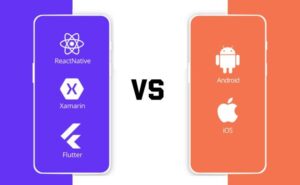
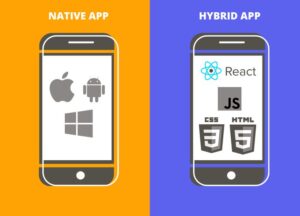
Native vs Cross-Platform Development Cost
Businesses frequently compare native and cross-platform development.
Native Development
Advantages:
- Better performance
- Platform-specific optimization
- Higher responsiveness
- Excellent user experience
Disadvantages:
- Higher development cost
- Separate teams for Android and iOS
- Longer timelines
Cross-Platform Development
Advantages:
- Lower development costs
- Faster deployment
- Single codebase
- Easier maintenance
Popular frameworks include:
- Flutter
- React Native
- .NET MAUI
- Ionic
For many businesses, cross-platform development provides an excellent balance between performance and budget.
How Business Goals Affect Development Budget
The purpose of the application significantly impacts costs.
Common business objectives include:
- Increasing online sales
- Improving customer engagement
- Automating workflows
- Enhancing employee productivity
- Providing customer support
- Building subscription services
- Creating digital marketplaces
Applications supporting complex business processes generally require additional planning, development, testing, and security measures.
How App Features Affect Mobile App Development Cost in New York
The number and complexity of features are among the biggest factors that influence the mobile app development cost in New York. Every additional feature requires planning, UI design, frontend development, backend programming, API integration, testing, and quality assurance.
Below are some common features and how they impact the overall budget.
User Registration and Authentication
Almost every mobile application requires users to create an account. Authentication can include:
- Email registration
- Mobile number verification
- Social media login
- Single Sign-On (SSO)
- Multi-factor authentication (MFA)
- Password recovery
Simple login systems are relatively inexpensive, while enterprise-grade authentication with enhanced security requires more development time.
Real-Time Chat and Messaging
Many industries now rely on real-time communication features, including:
- Healthcare consultations
- Customer support
- E-learning platforms
- Marketplace apps
- Food delivery services
- Social networking applications
A chat system often includes:
- Instant messaging
- Media sharing
- Read receipts
- Typing indicators
- Push notifications
- Message encryption
Building reliable real-time messaging adds both development time and infrastructure costs.
Payment Gateway Integration
Secure payment processing is essential for many business applications.
Popular payment gateways include:
- Stripe
- PayPal
- Apple Pay
- Google Pay
- Square
- Braintree
Payment integration involves:
- Secure transactions
- PCI DSS compliance
- Refund management
- Subscription billing
- Invoice generation
- Payment history
Financial security requirements make payment modules more expensive than standard application features.
GPS and Location-Based Services
Location tracking is widely used in industries such as:
- Ride-sharing
- Food delivery
- Logistics
- Healthcare
- Travel
- Real estate
- Retail
Common GPS features include:
- Live location tracking
- Route optimization
- Nearby search
- Geofencing
- Delivery tracking
- Interactive maps
Integrating mapping services and real-time location updates increases the total development effort.
Push Notifications
Push notifications help businesses maintain communication with users.
They can be used for:
- Promotions
- Appointment reminders
- Order updates
- Security alerts
- New content
- Personalized recommendations
Although basic notifications are affordable, personalized and automated notification systems require additional backend logic.
Cost Based on Application Type
Every category of application has unique technical requirements. This directly affects the app developers NYC cost.

E-commerce Applications
E-commerce apps generally include:
- Product catalog
- Shopping cart
- Payment processing
- Wishlist
- Reviews and ratings
- Order tracking
- Inventory synchronization
- Customer accounts
Estimated Cost:
$40,000–$150,000+
Healthcare Applications
Healthcare applications often require compliance with regulations such as HIPAA, secure patient data storage, and encrypted communication.
Typical features include:
- Appointment scheduling
- Telemedicine
- Electronic health records
- Prescription management
- Health monitoring
- Secure messaging
Estimated Cost:
$60,000–$250,000+
FinTech Applications
Financial applications require advanced security, fraud detection, and regulatory compliance.
Features often include:
- Mobile banking
- Digital wallets
- Budget tracking
- Investment dashboards
- Cryptocurrency support
- Identity verification
Estimated Cost:
$80,000–$300,000+
Social Networking Applications
Social media platforms require scalable infrastructure to support large numbers of users.
Features include:
- User profiles
- Photo sharing
- Video uploads
- Live streaming
- Messaging
- Comments
- Likes
- Groups
Estimated Cost:
$70,000–$250,000+
On-Demand Service Applications
Examples include:
- Taxi booking
- Home services
- Grocery delivery
- Beauty appointments
- Cleaning services
- Logistics
Common features:
- Real-time tracking
- Driver or provider management
- Booking system
- Secure payments
- Reviews
- Notifications
Estimated Cost:
$60,000–$200,000+
UI and UX Design Costs
Design plays a significant role in the overall cost of mobile app development NYC.

The design process typically includes:
- User research
- Information architecture
- Wireframes
- Interactive prototypes
- High-fidelity mockups
- Design system creation
- Accessibility optimization
A polished user interface improves usability but also increases development hours.
Backend Development Expenses
The backend serves as the foundation of a mobile application.
Typical backend tasks include:
- Database management
- API development
- Authentication
- Business logic
- File storage
- Notification systems
- Analytics dashboards
- Cloud deployment
Applications with thousands of active users require scalable backend architecture, which increases costs.
Quality Assurance and Testing
Testing ensures that an application performs reliably across different devices and operating systems.
Testing generally includes:
- Functional testing
- UI testing
- Compatibility testing
- Performance testing
- Security testing
- Regression testing
- User acceptance testing (UAT)
Skipping testing may reduce the initial budget but often leads to higher maintenance costs after launch.
Hidden Costs of Mobile App Development
Many businesses focus only on coding expenses and overlook additional costs that arise throughout the project lifecycle.
App Store Fees
Publishing an application requires developer accounts.
Examples include:
- Apple Developer Program
- Google Play Developer Account
These are recurring or one-time costs that should be included in the overall budget.
Cloud Hosting
Most applications depend on cloud infrastructure for reliable performance.
Ongoing expenses may include:
- Server hosting
- Database storage
- File storage
- Content Delivery Network (CDN)
- Backup services
Monthly cloud costs typically grow as the user base expands.
Third-Party Service Subscriptions
Many applications rely on external services, such as:
- Email delivery platforms
- SMS gateways
- Analytics tools
- Customer support software
- Marketing automation
- Video conferencing APIs
These services often charge monthly or usage-based fees.
Security and Compliance
Applications handling sensitive data must invest in security measures such as:
- SSL certificates
- Data encryption
- Security audits
- Penetration testing
- Compliance assessments
- Identity verification
Industries such as healthcare, finance, and insurance usually require additional compliance investments.
Maintenance and Updates
Launching an application is only the beginning. Ongoing maintenance keeps the app secure, compatible, and competitive.
Typical maintenance tasks include:
- Bug fixes
- Operating system updates
- Performance optimization
- Feature enhancements
- Security patches
- API updates
- Server monitoring
Many businesses allocate 15–25% of the original development cost per year for maintenance.
How Long Does Mobile App Development Take?
Project timelines have a direct impact on the cost of app development in US because longer projects require more engineering hours.
Typical development timelines are:
| App Complexity | Estimated Timeline |
|---|---|
| Basic App | 2–4 months |
| Medium Complexity App | 4–7 months |
| Advanced App | 7–12 months |
| Enterprise Platform | 12–18+ months |
The timeline can vary depending on the number of features, revisions, integrations, testing requirements, and stakeholder approvals.
Tips for Budgeting Your Mobile App Project
Before starting development, businesses can manage costs more effectively by following these practices:
- Define clear project goals and user requirements.
- Prioritize essential features for the first release (Minimum Viable Product or MVP).
- Choose the right development approach—native or cross-platform—based on business needs.
- Plan for post-launch maintenance and updates.
- Account for cloud hosting, third-party services, and security requirements.
- Set aside a contingency budget for unforeseen changes during development.
- Involve stakeholders early to reduce costly revisions later.
- Focus on scalability so the application can grow without major redevelopment.
Thoughtful planning at the beginning of the project helps reduce delays, control expenses, and improve the overall return on investment.