
Healthcare organizations are rapidly adopting digital technologies to improve patient care, streamline operations, and meet changing regulatory requirements. Hospitals, clinics, diagnostic laboratories, pharmaceutical companies, and medical device manufacturers are investing in custom healthcare software development to create solutions that match their unique workflows and long-term business goals.

Unlike off-the-shelf software, custom healthcare applications are designed specifically for an organization’s operational needs. They can integrate with existing systems, support regulatory compliance, and provide healthcare professionals with tools that improve efficiency and decision-making. As healthcare continues to embrace digital transformation, customized software has become an important part of delivering high-quality medical services.
In a healthcare hub like New York, where hospitals, research institutions, biotechnology companies, and healthcare startups operate in a highly competitive environment, organizations require software that is secure, scalable, and adaptable. Companies such as Maven Swami contribute to this growing ecosystem by developing healthcare technology solutions that align with modern industry standards and evolving business requirements.
This guide explores healthcare software custom development, its benefits, development process, key technologies, and the role of specialized healthcare software in improving patient outcomes and operational efficiency.
What Is Custom Healthcare Software Development?
Custom healthcare software development refers to the process of designing, developing, testing, and maintaining software applications specifically created for healthcare organizations. Instead of using generic software designed for multiple industries, healthcare providers receive solutions tailored to their clinical, administrative, and operational requirements.
These applications can support:
- Electronic Health Records (EHR)
- Electronic Medical Records (EMR)
- Hospital Information Systems (HIS)
- Patient Management Systems
- Telemedicine Platforms
- Laboratory Information Management Systems (LIMS)
- Pharmacy Management Software
- Medical Billing Solutions
- Healthcare CRM Systems
- Appointment Scheduling Platforms
Customized solutions provide greater flexibility because features are developed according to real business needs rather than adapting business processes to fit standard software.
Why Healthcare Organizations Choose Custom Software
Healthcare institutions manage complex operations involving patient records, medical devices, regulatory compliance, insurance processing, diagnostics, and clinical workflows. Generic software may not address every operational challenge.
This is why many organizations prefer healthcare software custom development over ready-made applications.
Some common reasons include:
Better Workflow Management
Every healthcare organization has unique operational procedures. Custom software aligns with existing workflows instead of forcing staff to adapt to predefined processes.
For example, a multi-specialty hospital in New York may require different scheduling systems than a private medical practice or a diagnostic laboratory.
Improved Data Security
Healthcare organizations manage highly sensitive patient information. Software must protect this data through advanced security measures such as:
- Data encryption
- Multi-factor authentication
- Secure user access
- Audit logs
- Role-based permissions
- Backup and disaster recovery
Strong cybersecurity practices help reduce risks associated with data breaches while supporting compliance with healthcare regulations.
Regulatory Compliance
Healthcare software must comply with various regulatory standards depending on its purpose and location.
Common compliance requirements include:
- HIPAA (Health Insurance Portability and Accountability Act)
- FDA guidance for certain medical software
- HL7 messaging standards
- FHIR interoperability standards
- GDPR (when handling international patient data)
Custom-built software allows organizations to incorporate compliance requirements directly into the application’s architecture.
Scalability
Healthcare organizations grow over time by adding departments, locations, services, and patients.
Custom software can scale alongside organizational growth without requiring complete system replacement.
Scalable architecture supports:
- Additional users
- Larger patient databases
- New medical specialties
- Integration with emerging technologies
- Cloud migration
Understanding Healthcare Custom Software
Healthcare custom software is developed to solve specific operational or clinical challenges rather than serving general business purposes.
Examples include:
Clinical Management Systems
These systems assist healthcare professionals in documenting patient information, treatment plans, diagnoses, prescriptions, and follow-up care.
Telemedicine Applications
Virtual healthcare has become increasingly important for patient convenience and accessibility.
Telemedicine platforms typically include:
- Video consultations
- Online appointment scheduling
- Electronic prescriptions
- Secure messaging
- Digital patient records
These applications improve healthcare access, particularly for patients living in remote areas or requiring regular follow-up consultations.
Patient Portals
Patient portals allow individuals to access their healthcare information online.
Common features include:
- Viewing medical records
- Appointment booking
- Test result access
- Prescription refill requests
- Secure communication with healthcare providers
These portals improve patient engagement while reducing administrative workload.
Healthcare Analytics Platforms
Healthcare organizations generate large amounts of data every day.
Analytics platforms help organizations:
- Monitor patient outcomes
- Track hospital performance
- Analyze treatment effectiveness
- Forecast resource requirements
- Improve operational efficiency
Data-driven decision-making supports both clinical and administrative improvements.
Custom Medical Software for Modern Healthcare
Custom medical software extends beyond hospitals and clinics. It supports numerous healthcare sectors, including pharmaceutical companies, biotechnology firms, medical research organizations, rehabilitation centers, and diagnostic laboratories.
Common types of custom medical software include:
- Diagnostic imaging systems
- Radiology management software
- Laboratory automation software
- Pharmacy management platforms
- Clinical trial management systems
- Medical inventory management
- Healthcare billing software
Each application is developed according to specific organizational requirements, ensuring greater usability and operational efficiency.
The Growing Importance of Custom MedTech Software Development
Medical technology continues to evolve with innovations in wearable devices, remote patient monitoring, artificial intelligence, and connected healthcare systems.
As a result, custom medtech software development has become increasingly important.
MedTech software supports technologies such as:
- Smart medical devices
- Wearable health monitors
- Connected diagnostic equipment
- Remote patient monitoring systems
- Internet of Medical Things (IoMT)
These solutions collect and analyze patient data in real time, helping healthcare professionals make informed clinical decisions.
Software developers must ensure compatibility between hardware devices, cloud infrastructure, and healthcare information systems while maintaining security and regulatory compliance.
Who Builds Custom Healthcare Software Applications?
Organizations often ask, “Who builds custom healthcare software applications?”
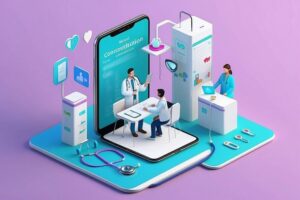
Healthcare software is typically developed by multidisciplinary teams that combine technical expertise with healthcare industry knowledge.
A typical development team includes:
- Business analysts
- Healthcare consultants
- Software architects
- Front-end developers
- Back-end developers
- Mobile application developers
- UI/UX designers
- Quality assurance engineers
- DevOps specialists
- Cybersecurity experts
Companies like Maven Swami bring together these professionals to create healthcare software that addresses both technical requirements and real-world healthcare challenges.
Key Technologies Used in Healthcare Software Development
Modern healthcare applications rely on advanced technologies to deliver secure, scalable, and efficient digital experiences.
Some of the most widely used technologies include:
Cloud Computing
Cloud platforms enable secure storage, remote access, and scalable infrastructure for healthcare applications.
Artificial Intelligence (AI)
AI supports diagnostic assistance, medical imaging analysis, predictive analytics, and clinical decision support.
Machine Learning
Machine learning algorithms help identify health trends, predict disease risks, and personalize treatment recommendations.
Internet of Medical Things (IoMT)
Connected medical devices continuously collect patient data, allowing healthcare providers to monitor health conditions remotely.
API Integration
APIs enable healthcare systems to communicate with electronic health records, laboratory systems, insurance providers, and third-party healthcare applications.
Custom Software for Medical Devices: Supporting Connected Healthcare
Medical devices have evolved significantly with the advancement of digital technology. Today, many healthcare organizations rely on connected devices that collect, process, and transmit patient data in real time. As a result, custom software for medical devices has become an essential component of modern healthcare systems.

Medical device software is used in various healthcare settings, including hospitals, diagnostic laboratories, outpatient clinics, rehabilitation centers, and home healthcare services. These applications work alongside medical equipment to improve accuracy, automate workflows, and provide healthcare professionals with valuable clinical insights.
Examples of software-enabled medical devices include:
- Patient monitoring systems
- Infusion pumps
- ECG and ECG monitoring devices
- Medical imaging equipment
- Blood glucose monitoring systems
- Wearable health trackers
- Remote cardiac monitoring devices
- Smart diagnostic tools
Developing software for medical devices requires careful planning, rigorous testing, and compliance with healthcare regulations. The software must deliver reliable performance while ensuring patient safety and data security.
Healthcare Custom Software Developers: Skills and Responsibilities
Successful healthcare projects depend on experienced healthcare custom software developers who understand both technology and healthcare operations. These professionals create solutions that support healthcare providers, administrators, researchers, and patients while addressing industry-specific challenges.
Healthcare software developers typically work with technologies such as:
- Java
- Python
- C#
- JavaScript
- React
- Angular
- Flutter
- React Native
- .NET
- Node.js
They also work with databases like PostgreSQL, MySQL, MongoDB, and cloud platforms including Amazon Web Services (AWS), Microsoft Azure, and Google Cloud Platform (GCP).
Beyond programming, developers need a strong understanding of:
- Electronic Health Records (EHR)
- Electronic Medical Records (EMR)
- Clinical workflows
- Patient privacy regulations
- Medical terminology
- Healthcare interoperability standards
Companies such as Maven Swami combine technical expertise with industry knowledge to build software that aligns with healthcare organizations’ operational and regulatory requirements.
Custom Medical Application Development
Healthcare organizations increasingly rely on custom medical application development to improve patient engagement and streamline internal processes. Mobile and web-based medical applications enable healthcare providers to deliver services more efficiently while offering patients convenient access to healthcare resources.
Common types of medical applications include:
Patient Mobile Apps
Patient-focused applications often include:
- Online appointment scheduling
- Digital prescriptions
- Medication reminders
- Secure messaging
- Access to medical records
- Telemedicine consultations
- Health tracking dashboards
These features improve communication between patients and healthcare providers while encouraging better health management.
Doctor and Clinical Applications
Healthcare professionals use specialized applications to:
- Access patient histories
- Record diagnoses
- Manage prescriptions
- Review laboratory reports
- Coordinate treatment plans
- Monitor patient progress
These tools help reduce paperwork and improve clinical efficiency.
Hospital Management Applications
Hospitals require software capable of managing multiple departments and complex workflows.
Typical modules include:
- Patient registration
- Bed management
- Billing
- Laboratory integration
- Pharmacy management
- Radiology systems
- Staff scheduling
- Inventory management
Integrated hospital management systems help improve coordination across departments and reduce administrative burdens.
The Healthcare Software Development Process
Developing healthcare software involves more than writing code. A structured development process helps ensure the software meets clinical requirements, regulatory standards, and user expectations.

Requirement Analysis
The project begins by identifying business goals, user needs, compliance requirements, and technical specifications.
Stakeholders such as physicians, nurses, administrators, and IT teams collaborate to define project objectives.
Planning and Architecture
Software architects design the system structure, databases, APIs, and cloud infrastructure while considering scalability and security.
During this stage, developers also select appropriate programming languages, frameworks, and cloud services.
UI/UX Design
Healthcare applications should be easy to use, especially in environments where healthcare professionals work under pressure.
Design teams create:
- Wireframes
- Interactive prototypes
- User journey maps
- Design systems
- Accessibility guidelines
Simple and intuitive interfaces reduce training time and improve user adoption.
Development
Developers build front-end interfaces, back-end systems, APIs, databases, and integrations with healthcare platforms.
Common integrations include:
- EHR systems
- Laboratory Information Systems (LIS)
- Pharmacy software
- Insurance providers
- Payment gateways
- Telemedicine platforms
Testing
Healthcare software requires comprehensive testing before deployment.
Testing includes:
- Functional testing
- Performance testing
- Security testing
- Compatibility testing
- Usability testing
- Integration testing
- User Acceptance Testing (UAT)
Thorough testing helps identify issues before software reaches healthcare professionals or patients.
Deployment and Maintenance
After successful testing, the software is deployed in production environments.
Post-launch support typically includes:
- Bug fixes
- Security updates
- Feature enhancements
- Performance monitoring
- Cloud optimization
- Compliance updates
Continuous maintenance ensures long-term reliability and compatibility.
Importance of HIPAA Compliance
Healthcare organizations in the United States must protect patient information under the Health Insurance Portability and Accountability Act (HIPAA).
Healthcare software should include features such as:
- Encrypted data storage
- Secure authentication
- Audit trails
- Access controls
- Automatic session timeout
- Secure backups
HIPAA compliance helps organizations safeguard Protected Health Information (PHI) and reduce security risks.
HL7 and FHIR: Improving Interoperability
Modern healthcare systems rarely operate independently. Hospitals, laboratories, pharmacies, and insurance providers often need to exchange information securely.
Two important interoperability standards are:
HL7 (Health Level Seven)
HL7 enables healthcare applications to exchange clinical and administrative information between different systems.
FHIR (Fast Healthcare Interoperability Resources)
FHIR is a modern standard designed to simplify data sharing through APIs. It supports faster integration between healthcare applications while improving accessibility and interoperability.
Using these standards allows organizations to create connected healthcare ecosystems where information flows efficiently between systems.
User Experience in Healthcare Applications
User experience is a critical factor in healthcare software success. Healthcare professionals often work in fast-paced environments where every second matters.

Good healthcare software should provide:
- Clear navigation
- Fast response times
- Simple dashboards
- Readable interfaces
- Mobile responsiveness
- Accessibility features
Applications designed with users in mind help reduce errors, improve productivity, and enhance patient care.
Healthcare Technology Trends in New York
New York is home to a diverse healthcare ecosystem that includes world-renowned hospitals, academic medical centers, biotechnology companies, digital health startups, and medical research institutions. This environment has accelerated the adoption of innovative healthcare technologies.
Several trends are shaping healthcare software development in the region:
Growth of Telehealth Services
Telehealth has become a standard component of healthcare delivery. Many providers now offer virtual consultations, remote follow-up appointments, and online patient support to improve access to care.
Artificial Intelligence in Clinical Decision Support
Healthcare organizations are using AI to assist with medical imaging, predictive analytics, and administrative automation. These tools support clinicians by providing data-driven insights while reducing repetitive tasks.
Expansion of Remote Patient Monitoring
Connected medical devices and wearable technologies allow healthcare providers to monitor patients outside traditional clinical settings. This approach is particularly valuable for managing chronic conditions and supporting post-discharge care.
Increased Focus on Cybersecurity
As healthcare systems become more digital, protecting patient information remains a top priority. Organizations continue to strengthen security measures to safeguard sensitive medical data and maintain regulatory compliance.
Companies like Maven Swami contribute to this evolving landscape by developing secure, scalable, and user-focused healthcare software solutions that align with industry best practices.
Benefits of Using Specialized Medical Publications Software Over General Tools
Healthcare professionals, researchers, pharmaceutical companies, and academic institutions depend on medical literature to support clinical decisions, research, and continuing education. While general document management or publishing tools can organize files, they often lack the features required for handling medical content. This is why many organizations recognize the benefits of using specialized medical publications software over general tools.

Specialized medical publications software is designed to manage complex medical documents, clinical studies, regulatory submissions, scientific journals, and research publications while supporting healthcare-specific standards and workflows.
Some key advantages include:
Improved Content Organization
Medical organizations generate thousands of documents, including research papers, clinical trial reports, treatment guidelines, and regulatory documentation. Specialized software offers advanced categorization, metadata management, and search capabilities, making it easier to locate and manage critical information.
Better Collaboration
Healthcare research often involves physicians, researchers, editors, regulatory experts, and medical writers working together. Specialized platforms support version control, role-based access, approval workflows, and real-time collaboration, reducing errors and improving productivity.
Regulatory Compliance
Medical publications must often comply with industry regulations and documentation standards. Specialized software helps organizations maintain audit trails, manage document revisions, and support compliance with healthcare and pharmaceutical requirements.
Advanced Search and Knowledge Management
Unlike general tools, specialized platforms allow users to search by medical terms, keywords, disease categories, clinical specialties, or publication types. This improves knowledge sharing and enables faster access to relevant information.
Integration with Healthcare Systems
Many specialized medical publication platforms integrate with Electronic Health Records (EHR), research databases, reference management software, and clinical information systems, creating a connected digital ecosystem.
Benefits of Custom Healthcare Software
Healthcare organizations invest in healthcare custom software because it provides long-term value beyond standard software solutions. Applications built around an organization’s workflows can improve efficiency, enhance patient care, and support future growth.
Personalized Workflows
Custom software reflects how an organization actually operates rather than requiring staff to adjust to predefined processes. This improves productivity and reduces unnecessary complexity.
Greater Flexibility
As healthcare regulations, technologies, and business requirements evolve, custom software can be updated with new features without replacing the entire system.
Enhanced Patient Experience
Features such as online appointment scheduling, patient portals, digital prescriptions, and secure messaging improve communication and make healthcare services more accessible.
Better Integration
Healthcare organizations often use multiple digital platforms. Custom software enables smooth integration with systems such as:
- Electronic Health Records (EHR)
- Electronic Medical Records (EMR)
- Laboratory Information Systems (LIS)
- Pharmacy Management Systems
- Billing Platforms
- Insurance Providers
- Medical Imaging Software
This reduces duplicate data entry and improves information sharing across departments.
Improved Data Analytics
Healthcare software can collect and analyze operational and clinical data, enabling organizations to monitor performance, identify trends, and support evidence-based decision-making.
Choosing the Right Healthcare Software Development Partner
Selecting a development partner is an important decision for any healthcare organization. Beyond technical expertise, the provider should understand clinical workflows, regulatory requirements, and long-term maintenance needs.
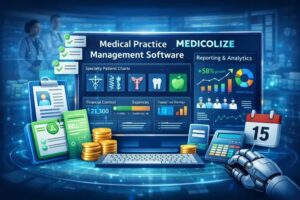
When evaluating a company, consider the following factors:
Industry Experience
Look for experience in healthcare software projects, including EHR systems, telemedicine platforms, patient portals, and medical device integrations.
Technical Expertise
A capable development team should be familiar with modern programming languages, cloud platforms, APIs, mobile development, cybersecurity, and healthcare interoperability standards.
Security Practices
Healthcare software must prioritize patient privacy. Development teams should follow secure coding practices, encryption standards, and robust access control measures.
Compliance Knowledge
Understanding regulations such as HIPAA, along with standards like HL7 and FHIR, is essential for developing reliable healthcare applications.
Scalability and Support
Healthcare technology continues to evolve. Choosing a partner that offers ongoing maintenance, updates, and technical support helps ensure software remains secure and effective over time.
Organizations such as Maven Swami focus on structured development processes that emphasize quality, security, and long-term maintainability while addressing the unique needs of healthcare organizations.
Conclusion
Healthcare organizations are operating in an increasingly digital environment where technology plays a vital role in delivering efficient, patient-centered care. From hospitals and clinics to medical device manufacturers and research institutions, organizations require software solutions that align with their unique operational and clinical requirements.
Custom healthcare software development enables healthcare providers to build secure, scalable, and compliant applications that improve workflows, support better decision-making, and enhance patient experiences. Whether developing patient portals, telemedicine platforms, hospital management systems, or custom software for medical devices, tailored solutions provide greater flexibility than general-purpose software.
As healthcare technology continues to evolve, organizations will increasingly rely on artificial intelligence, cloud computing, interoperability standards, and connected medical devices to improve healthcare delivery. Companies such as Maven Swami contribute to this evolving landscape by developing healthcare software that follows industry best practices, prioritizes security, and supports long-term digital transformation.
By choosing experienced healthcare custom software developers and investing in well-planned digital solutions, healthcare organizations can build technology that meets current needs while remaining adaptable for future innovation.