
As industries continue to evolve through digital transformation, software has become a key driver of business success. Whether launching a startup, expanding an established business, or modernizing legacy systems, investing in professional software development services has become an essential step toward long-term growth.
Organizations across industries such as healthcare, finance, retail, education, manufacturing, logistics, and real estate are adopting digital solutions to streamline operations and automate business processes. From enterprise software and cloud applications to mobile apps and web platforms, custom-built software enables companies to solve unique business challenges while supporting future scalability.

Selecting the right software development agency is equally important. A reliable technology partner understands business requirements, follows proven development methodologies, and delivers secure, scalable, and user-friendly applications. Companies like Maven Swami focus on creating digital solutions that align with business objectives while following industry best practices throughout the software development life cycle.
This guide explores software development services, the role of software development agencies, and the factors businesses should consider before choosing a development partner.
What Are Software Development Services?
Software development services involve designing, building, testing, deploying, and maintaining software applications tailored to specific business needs. These services cover the complete software development life cycle (SDLC), ensuring that every stage of development is carefully planned and executed.
A software project typically includes:
- Business requirement analysis
- Software architecture planning
- UI/UX design
- Front-end development
- Back-end development
- Database design
- API integration
- Quality assurance and testing
- Deployment
- Maintenance and technical support
Rather than using generic software, many organizations prefer custom solutions that match their workflows, improve productivity, and support business growth.
Why Businesses Invest in Software Development Services
Technology continues to reshape customer expectations and business operations. Companies that invest in digital solutions are often better positioned to adapt to market changes and improve operational efficiency.
Some key benefits include:
Improved Business Efficiency
Custom software automates repetitive tasks, minimizes manual work, and improves collaboration across departments. Automation allows employees to focus on strategic activities instead of routine processes.
Better Customer Experience
Modern software applications offer intuitive interfaces, faster response times, and personalized user experiences. Features such as online booking, secure payment gateways, live chat, and customer portals help businesses build stronger relationships with customers.
Scalability
As organizations grow, their software should be able to handle increased workloads, users, and data without affecting performance. Scalable applications reduce the need for complete system replacements in the future.
Enhanced Data Security
Cybersecurity is a major concern for every organization. Professional software development includes secure coding practices, authentication systems, encryption, regular security testing, and compliance with industry standards to protect sensitive information.
Competitive Advantage
Businesses that leverage innovative technologies such as artificial intelligence (AI), cloud computing, automation, and data analytics can respond more effectively to changing customer needs and industry trends.
Types of Software Development Services
Every business has unique goals, which is why software development services cover a wide range of solutions.

Custom Software Development
Custom software is built specifically for an organization’s requirements instead of serving a broad audience like off-the-shelf software.
Examples include:
- Enterprise Resource Planning (ERP) systems
- Customer Relationship Management (CRM) software
- Inventory management systems
- Healthcare management platforms
- Financial management software
- Human Resource Management Systems (HRMS)
These applications improve operational efficiency while supporting specific business processes.
Web Application Development
Web applications have become essential for businesses that provide online services or manage customer interactions digitally.
Popular web development technologies include:
- HTML5
- CSS3
- JavaScript
- React
- Angular
- Vue.js
- Node.js
- Laravel
- Django
- ASP.NET
Responsive web applications provide consistent performance across desktops, tablets, and smartphones.
Mobile Application Development
Smartphones have transformed the way customers interact with businesses. Mobile applications improve accessibility, customer engagement, and convenience.
Businesses commonly develop:
- Android applications
- iOS applications
- Cross-platform apps
- Progressive Web Apps (PWAs)
Frameworks such as Flutter and React Native enable developers to build applications for multiple platforms while reducing development time and costs.
Cloud Application Development
Cloud-based software offers flexibility, scalability, and cost efficiency. Businesses increasingly use platforms like Amazon Web Services (AWS), Microsoft Azure, and Google Cloud Platform to host applications and manage infrastructure.
Cloud solutions allow organizations to:
- Scale resources on demand
- Improve system availability
- Reduce infrastructure costs
- Enable remote collaboration
- Strengthen disaster recovery strategies
Software Maintenance and Support
Launching software is only the beginning of its lifecycle. Regular maintenance ensures applications remain secure, reliable, and compatible with evolving technologies.
Maintenance services typically include:
- Bug fixes
- Performance optimization
- Feature enhancements
- Security updates
- Database optimization
- Server monitoring
- Technical support
Continuous maintenance helps maximize software performance while extending its lifespan.
Understanding the Role of a Software Development Agency
A software development agency provides technical expertise, project management, and development resources to help businesses transform ideas into functional software products.

Unlike individual freelancers, agencies usually bring together multidisciplinary teams that include:
- Software developers
- UI/UX designers
- Business analysts
- Project managers
- DevOps engineers
- QA testers
- Security specialists
This collaborative approach helps improve project quality, communication, and delivery timelines.
Organizations often choose agencies because they provide access to experienced professionals without requiring businesses to build large in-house engineering teams.
What Makes Software Development Agencies Valuable?
Working with experienced software development agencies offers several advantages beyond writing code.
Access to Diverse Technical Skills
Modern software projects involve multiple technologies, frameworks, cloud platforms, databases, APIs, and security requirements. Agencies provide specialists across different domains who collaborate throughout the project.
Structured Development Process
Professional agencies generally follow established methodologies such as Agile or Scrum. These frameworks promote continuous planning, iterative development, regular testing, and ongoing client feedback.
Faster Project Delivery
With dedicated teams working simultaneously on design, development, testing, and deployment, agencies can often complete projects more efficiently than smaller teams.
Quality Assurance
Software quality extends beyond functionality. Dedicated QA teams perform functional testing, performance testing, usability testing, regression testing, and security testing to identify issues before deployment.
Long-Term Partnership
Technology continues to evolve after launch. Many organizations rely on agencies for ongoing maintenance, software upgrades, cloud optimization, cybersecurity improvements, and new feature development.
Companies such as Maven Swami understand that software development is an ongoing process rather than a one-time project, making continuous collaboration valuable for long-term digital success.
Factors to Consider When Choosing a Software Development Agency
Selecting the right development partner requires careful evaluation. Businesses should assess several factors before making a decision.
Key considerations include:
- Industry experience
- Technical expertise
- Portfolio of completed projects
- Development methodology
- Communication process
- Security standards
- Client reviews
- Post-launch support
- Scalability of development teams
- Transparency in project management
A well-qualified agency not only develops software but also contributes strategic insights that support business growth and long-term digital transformation.
Website and App Development Company in Modern Business Ecosystems
A website and app development company plays a critical role in helping businesses establish a strong digital presence. In today’s competitive market, having only a website is often not enough. Companies also need mobile applications, cloud integrations, and backend systems that work together seamlessly to deliver a consistent user experience.

Modern users expect fast-loading websites, responsive mobile apps, and secure digital platforms that allow them to interact with businesses anytime and anywhere. This demand has significantly increased the need for full-service development providers like Maven Swami, which focus on building integrated digital solutions that connect web and mobile ecosystems.
Website and app development is no longer just about coding. It involves strategic planning, user experience design, system architecture, and continuous optimization. Businesses that invest in both web and mobile platforms often achieve better engagement, improved customer retention, and stronger brand visibility.
Software Development Company Los Angeles: A Growing Tech Hub
The demand for a software development company Los Angeles has increased significantly as the city continues to grow as a major technology hub in the United States. Los Angeles is no longer only known for entertainment and media industries; it has also become a strong center for startups, SaaS companies, fintech platforms, and digital product innovation.
Companies in this region focus heavily on scalable applications, cloud-native systems, and AI-driven solutions. The diversity of industries in Los Angeles creates a strong demand for software solutions across entertainment, healthcare, e-commerce, logistics, and education.
A typical software development company in Los Angeles offers services such as:
- Custom software engineering
- Mobile app development
- Enterprise application development
- UI/UX design
- Cloud migration services
- API integration
- DevOps implementation
Businesses working with providers like Maven Swami often seek scalable solutions that align with global standards while supporting local market needs.
App Development Los Angeles: Meeting Mobile-First Expectations
The rise of mobile usage has made app development Los Angeles a highly competitive field. Companies in this region prioritize mobile-first strategies to meet user expectations for speed, convenience, and accessibility.
Mobile applications are widely used across industries for:
- Online shopping and e-commerce
- Food delivery and logistics
- Healthcare appointment booking
- Financial transactions and banking
- Entertainment streaming
- Educational platforms
Developers focus on both native and cross-platform development approaches depending on project requirements. Native apps offer high performance and platform-specific features, while cross-platform frameworks like Flutter and React Native reduce development time and cost.
In Los Angeles, mobile app development also emphasizes strong UI/UX design, as user experience directly impacts engagement and retention. This is where collaboration between developers and UI/UX designers becomes essential.
UI/UX in Modern Software Development
User Interface (UI) and User Experience (UX) design are central to successful digital products. A ui/ux app development agency focuses on creating intuitive, visually appealing, and user-friendly interfaces that improve overall usability.
UI/UX design includes:
- Wireframing and prototyping
- User journey mapping
- Visual design systems
- Interaction design
- Usability testing
Good UI/UX design ensures that users can navigate applications easily without confusion. Poor design, on the other hand, often leads to high bounce rates and low engagement.
Modern software companies, including Maven Swami, integrate UI/UX principles early in the development cycle rather than treating design as a separate phase. This ensures better alignment between design and functionality.
IT Companies in Los Angeles and Their Role in Digital Transformation
IT companies Los Angeles play a major role in supporting businesses through digital transformation initiatives. These companies help organizations modernize their infrastructure, adopt cloud technologies, and implement data-driven solutions.
Common services offered by IT companies include:
- IT consulting and strategy
- Cloud computing solutions
- Cybersecurity services
- Enterprise software development
- Data analytics and business intelligence
- Infrastructure management
As businesses increasingly shift toward digital operations, IT companies help bridge the gap between traditional systems and modern cloud-based architectures.
Los Angeles-based IT firms often work with startups, mid-sized companies, and large enterprises, helping them adopt scalable and secure technologies that improve efficiency and reduce operational costs.
Software Companies in Los Angeles: Industry Overview
The ecosystem of software companies in Los Angeles is diverse and rapidly evolving. It includes startups building innovative SaaS platforms, mid-sized agencies offering custom development, and large enterprises working on advanced AI and machine learning systems.
Key characteristics of this ecosystem include:
- Strong focus on innovation and creativity
- High demand for mobile and web applications
- Integration of AI and automation technologies
- Growth of cloud-based services
- Emphasis on user-centric design
Software companies in this region often collaborate with businesses across industries such as entertainment, healthcare, e-commerce, and finance. This cross-industry collaboration helps drive innovation and encourages the development of versatile digital solutions.
Companies like Maven Swami operate within this broader ecosystem by delivering structured development processes, scalable architectures, and industry-standard engineering practices.
Emerging Trends in Software Development
The software development industry continues to evolve rapidly due to advancements in technology. Some of the most important trends shaping the industry include:
Artificial Intelligence and Machine Learning
AI and ML are transforming how applications analyze data, automate tasks, and deliver personalized experiences. Businesses are using AI for chatbots, recommendation systems, fraud detection, and predictive analytics.
Cloud-Native Development
Cloud computing has become the foundation of modern applications. Businesses are moving toward microservices architecture and containerized applications using tools like Docker and Kubernetes.
DevOps and Continuous Delivery
DevOps practices combine development and operations to improve collaboration and accelerate software delivery. Continuous integration and continuous deployment (CI/CD) pipelines help automate testing and deployment processes.
Cybersecurity Enhancements
With increasing cyber threats, security has become a top priority. Developers now implement encryption, secure APIs, multi-factor authentication, and regular vulnerability testing.
API-First Development
Modern applications rely heavily on APIs to connect different systems and services. API-first development ensures better integration and flexibility across platforms.
Advanced Practices in Modern Software Development
Modern software development is no longer limited to writing code and deploying applications. It involves a combination of engineering discipline, automation, design thinking, and continuous improvement. Businesses that adopt advanced development practices are better positioned to build scalable, secure, and high-performing digital products.
A software development agency such as Maven Swami typically follows structured engineering practices that ensure quality, reliability, and long-term maintainability of software systems.
DevOps and Continuous Integration
DevOps has become a core part of modern software delivery. It bridges the gap between development and operations teams, enabling faster and more reliable software releases.
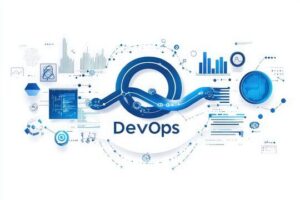
Key DevOps practices include:
- Continuous Integration (CI)
- Continuous Deployment (CD)
- Infrastructure as Code (IaC)
- Automated testing pipelines
- Monitoring and logging systems
These practices reduce manual errors, speed up release cycles, and improve overall system stability.
Microservices Architecture
Instead of building large monolithic applications, many companies now use microservices architecture. This approach breaks applications into smaller, independent services that communicate through APIs.
Benefits of microservices include:
- Easier scalability
- Faster development cycles
- Independent deployment of services
- Better fault isolation
- Improved maintainability
This architecture is widely used in modern cloud-based applications and enterprise systems.
Cloud-Native Development
Cloud-native development focuses on building applications specifically designed for cloud environments such as Amazon Web Services (AWS), Microsoft Azure, and Google Cloud Platform (GCP).
Cloud-native applications offer:
- High scalability
- Flexibility in resource management
- Improved performance
- Lower infrastructure costs
- Global accessibility
Organizations increasingly adopt cloud-native strategies to support digital transformation and remote accessibility.
Importance of UI/UX in Software Success
A ui/ux app development agency plays a crucial role in ensuring digital products are user-friendly and intuitive. Even the most powerful software can fail if users find it difficult to navigate.
Good UI/UX design focuses on:
- Simplicity and clarity
- Consistent design systems
- Fast and smooth interactions
- Accessibility for all users
- User-centered design thinking
By integrating UI/UX principles into early development stages, companies like Maven Swami ensure that functionality and usability evolve together rather than separately.
Software Development Lifecycle (SDLC) Best Practices
The Software Development Life Cycle remains the foundation of structured software engineering. Each phase contributes to the successful delivery of a product.
Planning Phase
This involves defining project goals, scope, budget, and timelines.
Design Phase
Architects and designers create system architecture, database structures, and UI designs.
Development Phase
Developers write clean, scalable, and maintainable code using appropriate programming languages and frameworks.
Testing Phase
Quality assurance teams conduct multiple tests to ensure functionality, performance, and security.
Deployment Phase
The software is released into production environments for end users.
Maintenance Phase
Ongoing updates, bug fixes, and feature enhancements are implemented.
Following SDLC ensures predictable outcomes and reduces development risks.
Business Benefits of Software Development Services
Investing in software development services provides several long-term advantages for businesses across industries.
Digital Transformation
Organizations can modernize outdated systems and move toward digital-first operations.
Improved Efficiency
Automation reduces manual workload and improves operational productivity.
Better Decision Making
Data-driven applications provide insights that help businesses make informed decisions.
Customer Engagement
Mobile apps and web platforms improve communication and enhance customer satisfaction.
Cost Optimization
Custom software reduces dependency on multiple third-party tools, lowering long-term costs.
Overview of Software Development Industry in Los Angeles
The ecosystem of software companies in Los Angeles continues to expand rapidly. The region attracts startups, tech entrepreneurs, and global enterprises due to its strong innovation culture and access to diverse industries.
Similarly, IT companies Los Angeles contribute significantly to digital transformation by offering cloud services, cybersecurity solutions, enterprise software, and consulting services.
The demand for app development Los Angeles continues to rise as businesses prioritize mobile-first strategies and customer-centric digital experiences.
This ecosystem encourages collaboration between developers, designers, and business strategists, resulting in innovative and scalable software solutions.
Role of Website and App Development Companies
A website and app development company is essential for businesses looking to establish a strong digital presence. Websites serve as the foundation of online identity, while mobile applications enhance accessibility and user engagement.

Together, they create a unified digital ecosystem that supports:
- Brand visibility
- Customer interaction
- Sales and conversions
- Service automation
- Data collection and analytics
Companies like Maven Swami help businesses align web and mobile strategies to ensure consistency across all digital platforms.
Software Development Agencies vs In-House Teams
Businesses often compare outsourcing to a software development agency with building in-house teams.
Advantages of Agencies:
- Access to diverse expertise
- Faster project delivery
- Lower hiring and infrastructure costs
- Flexible scaling of teams
- Broader technical experience
Advantages of In-House Teams:
- Full control over development
- Direct communication
- Deep product knowledge
Many businesses choose a hybrid approach, combining in-house strategy with external development support.
Conclusion
Software development has become a critical driver of business success in the digital age. From web applications and mobile apps to enterprise systems and cloud platforms, technology shapes how organizations operate and grow.
The demand for software development services, software development agencies, and website and app development companies continues to rise, especially in technology-driven markets like Los Angeles. Businesses rely on structured development processes, modern technologies, and user-centered design to build scalable and efficient digital products.
Whether it is app development Los Angeles, IT companies Los Angeles, or software companies in Los Angeles, the industry continues to evolve with advancements in AI, cloud computing, DevOps, and cybersecurity.
Organizations like Maven Swami represent a structured approach to software engineering, focusing on scalability, performance, and long-term digital sustainability.