
The restaurant industry in California is rapidly embracing digital transformation. From independent cafés and food trucks to multi-location restaurant chains, businesses are investing in mobile technology to improve customer experiences, streamline operations, and increase revenue. As online ordering and food delivery continue to grow, restaurant owners are increasingly seeking reliable technology partners to build custom mobile solutions.
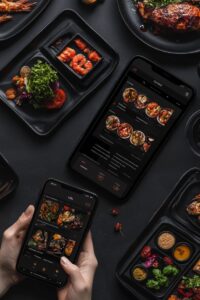
Choosing the right restaurant ordering app development company in California can significantly impact the success of a restaurant’s digital strategy. Whether businesses need online ordering platforms, delivery management systems, loyalty programs, or complete restaurant management applications, custom app development offers a competitive advantage in a crowded market.
This guide explores restaurant app development, food delivery technology, development costs, essential features, and the role of experienced restaurant mobile app developers in California in creating modern dining experiences.
The Growing Demand for Restaurant Apps in California
California is home to thousands of restaurants, quick-service establishments, cloud kitchens, fine-dining venues, and food delivery businesses. Consumer behavior has shifted dramatically toward mobile ordering, contactless payments, and personalized dining experiences.
Several factors are driving this demand:
- Increased smartphone usage
- Growth of online food ordering
- Expansion of food delivery services
- Customer preference for convenience
- Demand for contactless dining experiences
- Rise of loyalty and rewards programs
Restaurants that provide seamless mobile experiences often see higher customer retention rates and increased order frequency. This has created strong demand for professional restaurant app development agency California services.
What Is a Restaurant Ordering App?
A restaurant ordering app allows customers to browse menus, place orders, make payments, track deliveries, and interact with restaurants directly through a mobile device.
These applications can be developed for:
- iOS devices
- Android devices
- Tablets
- Web platforms
- Hybrid mobile environments
Restaurant ordering apps eliminate many traditional barriers between customers and restaurants, making the ordering process faster and more efficient.
Core Functions of Restaurant Ordering Apps
Modern restaurant applications typically include:
- Digital menu management
- Real-time ordering
- Secure payment processing
- Order tracking
- Customer profiles
- Loyalty programs
- Push notifications
- Reviews and ratings
- Delivery management
Many businesses work with restaurant mobile app developers California to customize these features according to their operational requirements.
Why Restaurants Need Custom Mobile Applications
Third-party delivery platforms provide visibility, but they often charge substantial commissions that affect profitability.
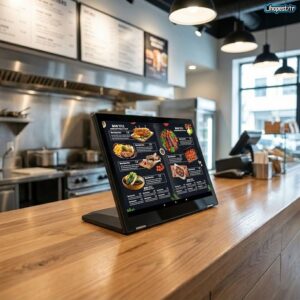
Custom restaurant applications offer several advantages:
Greater Control Over Customer Relationships
Restaurants own customer data and can communicate directly through:
- Email marketing
- SMS campaigns
- Push notifications
- Loyalty rewards
Reduced Commission Costs
Direct ordering through a branded application helps reduce dependency on external marketplaces.
Improved Customer Experience
Customers enjoy:
- Faster ordering
- Personalized recommendations
- Saved payment methods
- Exclusive promotions
Increased Brand Recognition
A branded mobile application strengthens customer engagement and reinforces brand identity.
Key Features of Restaurant Mobile Apps
A professional restaurant ordering app development company California typically includes a combination of customer-facing and administrative features.
Customer Features
User Registration
Customers can create accounts using:
- Email addresses
- Phone numbers
- Social media authentication
Interactive Menu
Digital menus may include:
- Images
- Pricing
- Ingredients
- Nutritional information
- Customization options
Online Payments
Payment gateway integration supports:
- Credit cards
- Debit cards
- Mobile wallets
- Contactless payments
Real-Time Order Tracking
Customers can monitor:
- Order confirmation
- Food preparation
- Dispatch status
- Delivery progress
Loyalty Programs
Reward systems encourage repeat purchases through:
- Points accumulation
- Discounts
- Exclusive offers
Restaurant Management Features
Restaurant administrators benefit from:
- Order management dashboards
- Inventory monitoring
- Staff management tools
- Sales reporting
- Customer analytics
- Marketing automation
Food Delivery App Development in California
The popularity of delivery services has expanded beyond traditional restaurants. Today, cloud kitchens, grocery stores, meal preparation businesses, and specialty food providers are investing in delivery technology.
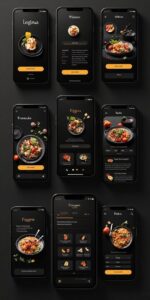
A food delivery app development company California typically develops platforms with three separate interfaces:
Customer Application
Allows customers to:
- Browse restaurants
- Place orders
- Track deliveries
- Make payments
Delivery Partner Application
Enables drivers to:
- Accept delivery requests
- Navigate routes
- Update delivery status
- Manage earnings
Admin Dashboard
Provides businesses with:
- Order oversight
- Driver management
- Customer support tools
- Revenue analytics
This ecosystem creates a complete food delivery management solution.
Types of Restaurant Apps Businesses Can Develop
Different restaurants require different digital solutions.
Online Ordering Apps
Designed primarily for takeaway and pickup orders.
Table Reservation Apps
Allow customers to reserve seating and manage bookings.
Delivery Applications
Focus on food transportation and tracking.
Loyalty Program Apps
Encourage repeat purchases through rewards.
Restaurant Marketplace Apps
Aggregate multiple restaurants on a single platform.
Cloud Kitchen Applications
Support virtual restaurant operations with integrated delivery management.
Experienced restaurant app development agency California teams help businesses determine the most suitable application type based on operational goals.
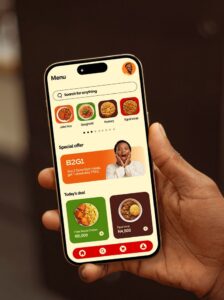
Technology Used in Restaurant App Development
Modern restaurant applications rely on advanced technologies to ensure performance, scalability, and security.
Front-End Development
Popular technologies include:
- React Native
- Flutter
- Swift
- Kotlin
Back-End Development
Developers commonly use:
- Node.js
- Python
- Java
- PHP
Database Solutions
Common databases include:
- PostgreSQL
- MySQL
- MongoDB
Cloud Infrastructure
Cloud platforms help ensure reliability and scalability through:
- Amazon Web Services (AWS)
- Microsoft Azure
- Google Cloud Platform
Payment Gateway Integration
Secure payment processing often includes:
- Stripe
- PayPal
- Square
- Apple Pay
- Google Pay
Essential Integrations for Restaurant Apps
Successful restaurant applications often integrate with external systems.
POS Integration
Point-of-sale integration synchronizes:
- Orders
- Inventory
- Sales records
GPS and Mapping
Location services improve delivery tracking and route optimization.
CRM Systems
Customer relationship management tools enhance customer engagement and retention.
Marketing Platforms
Integration with marketing software supports automated promotions and customer communication.
Challenges in Restaurant App Development
Although restaurant apps offer significant advantages, development projects involve several technical and operational challenges.
Managing Real-Time Orders
Restaurants require instant synchronization between customers, kitchens, and delivery personnel.
Peak-Time Scalability
Applications must perform effectively during high-demand periods.
Data Security
Protecting customer information and payment details remains a critical priority.
Delivery Logistics
Accurate route planning and driver coordination are essential for customer satisfaction.
Professional restaurant mobile app developers California address these challenges through robust architecture and testing processes.
Cost of Restaurant App Development in California
One of the most common questions business owners ask is about the cost of restaurant app development in California.
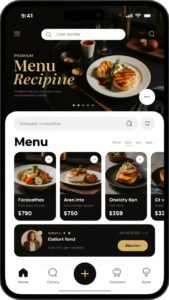
The total investment depends on several factors:
App Complexity
Basic applications typically cost less than enterprise-level platforms.
Number of Features
Additional functionality increases development time and budget.
Design Requirements
Custom UI/UX design affects overall costs.
Platform Selection
Developing for Android, iOS, or both platforms influences pricing.
Third-Party Integrations
Payment gateways, POS systems, GPS services, and CRM integrations add complexity.
Development Team Expertise
Experienced developers generally command higher rates but often deliver superior results.
Typical Cost Ranges
Basic Restaurant App
- Simple ordering features
- Basic payment integration
- Standard user interface
Estimated range: $15,000–$40,000
Mid-Level Restaurant App
- Loyalty features
- Delivery tracking
- Analytics dashboard
- Advanced menu management
Estimated range: $40,000–$90,000
Advanced Restaurant Platform
- Multi-location support
- AI recommendations
- CRM integration
- Delivery management ecosystem
Estimated range: $90,000–$250,000+
The actual cost varies based on project scope, business objectives, and technical requirements.
How to Choose the Right Restaurant App Development Partner
Selecting the right development company is a strategic decision.
Businesses should evaluate:
Industry Experience
Look for developers with restaurant and food technology expertise.
Technical Capabilities
Assess proficiency in mobile development, cloud architecture, and integrations.
Portfolio Quality
Review previous restaurant and food delivery projects.
Design Expertise
Strong user experience design improves customer engagement.
Post-Launch Support
Ongoing maintenance and updates are essential for long-term success.
Scalability Planning
Applications should accommodate future growth and expansion.
Companies such as Maven Swami emphasize structured development processes, user-centered design, and scalable architecture when building restaurant technology solutions.
Customer Expectations Are Shaping Restaurant Technology
Today’s diners expect more than quality food. They want convenience, speed, transparency, and personalized experiences throughout the ordering journey. Mobile technology has become a central part of how customers discover restaurants, place orders, redeem offers, and provide feedback.
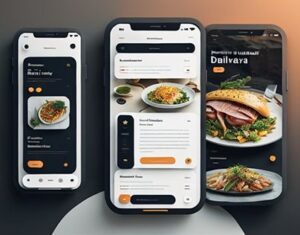
A well-designed restaurant application helps businesses meet these changing expectations by creating a smooth interaction between customers and restaurant operations. Modern consumers often compare digital experiences before making purchasing decisions. If ordering food from one restaurant requires fewer steps than another, customers are more likely to return to the more convenient option.
Restaurants that invest in digital ordering infrastructure can create a stronger connection with customers while simplifying daily workflows.
Faster Decision-Making for Customers
Restaurant apps simplify menu browsing by presenting information in a structured format. Customers can quickly explore categories, compare meal options, view pricing, and customize orders without waiting for assistance.
Additional tools such as:
- Search functionality
- Smart filters
- Favorite items
- Recently ordered products
- Personalized suggestions
help customers complete purchases more efficiently.
Enhanced Accessibility
Accessibility is becoming increasingly important in digital product development. Restaurant applications can support a broader audience through features such as:
- Adjustable text sizes
- Voice assistance
- Screen reader compatibility
- High-contrast interfaces
- Multi-language support
These enhancements create a more inclusive customer experience while expanding market reach.
The Role of Data Analytics in Restaurant Applications
Data has become one of the most valuable assets in the restaurant sector. Mobile applications generate insights that help businesses make informed operational and marketing decisions.
Restaurant owners can analyze customer behavior patterns, purchasing trends, and sales performance using integrated analytics tools.
Valuable Metrics Restaurants Can Track
A custom restaurant application can provide insights into:
- Most ordered menu items
- Peak ordering hours
- Customer retention rates
- Average order value
- Geographic demand patterns
- Promotional campaign effectiveness
- Seasonal purchasing trends
By evaluating these metrics regularly, restaurants can refine pricing strategies, improve menu offerings, and allocate resources more effectively.
Demand Forecasting
Advanced restaurant platforms often include predictive capabilities that help estimate future demand.
Benefits include:
- Reduced food waste
- Better inventory planning
- Improved staff scheduling
- More accurate purchasing decisions
Demand forecasting can significantly improve operational efficiency, particularly for businesses with multiple locations.
Building Customer Loyalty Through Mobile Experiences
Customer acquisition is important, but long-term success often depends on customer retention. Mobile applications provide restaurants with direct tools for building loyalty and encouraging repeat business.
Digital Reward Programs
Instead of traditional paper-based loyalty cards, restaurants can implement digital rewards directly within their applications.
Examples include:
- Point accumulation systems
- Birthday rewards
- Exclusive member discounts
- Referral bonuses
- Tier-based memberships
These programs increase engagement while providing measurable results.
Personalized Offers
Modern applications can deliver tailored promotions based on customer preferences and ordering history.
For example:
- Vegetarian customers receive plant-based offers
- Frequent coffee buyers receive beverage promotions
- Weekend diners receive family meal discounts
Personalized marketing often generates higher engagement rates than generic promotional campaigns.
Multi-Location Restaurant App Solutions
Many restaurant brands operate across multiple cities and regions. Managing these locations efficiently requires centralized technology systems.
Custom restaurant applications can support:
- Location-specific menus
- Regional pricing structures
- Inventory synchronization
- Branch performance monitoring
- Local promotions
A centralized management platform allows restaurant operators to maintain consistency while accommodating local market needs.
Franchise Management Capabilities
Franchise businesses often require specialized software features.
Examples include:
- Franchise reporting dashboards
- Compliance monitoring
- Menu standardization tools
- Regional performance analysis
- Centralized content management
These capabilities help maintain brand consistency across all franchise locations.
Importance of User Experience in Restaurant App Development
Technology alone does not guarantee success. User experience design plays a significant role in determining whether customers continue using an application.
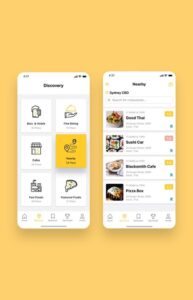
An intuitive design reduces friction during the ordering process and increases customer satisfaction.
Characteristics of Effective Restaurant App Design
Successful restaurant applications typically include:
- Simple navigation
- Clean visual hierarchy
- Fast loading speeds
- Consistent branding
- Easy checkout process
- Clear call-to-action buttons
Every design decision should support usability and convenience.
Reducing Cart Abandonment
Many customers begin placing orders but leave before completing payment.
Common causes include:
- Complicated checkout processes
- Hidden fees
- Slow performance
- Limited payment options
- Excessive registration requirements
Addressing these issues can improve conversion rates and increase revenue.
Restaurant Apps and Omnichannel Engagement
Customers interact with restaurants through multiple channels, including websites, social media platforms, mobile apps, and physical locations.
An omnichannel strategy ensures consistency across all touchpoints.
Benefits of Omnichannel Integration
When systems work together, restaurants can:
- Deliver consistent messaging
- Improve customer recognition
- Synchronize promotions
- Centralize customer information
- Enhance service quality
Customers appreciate seamless experiences regardless of how they engage with a brand.
Unified Customer Profiles
Integrated restaurant platforms can create comprehensive customer profiles that include:
- Order history
- Favorite menu items
- Payment preferences
- Loyalty status
- Communication preferences
These insights support more meaningful customer interactions.
Security Considerations for Restaurant Applications
As restaurants collect customer information and process payments, security becomes a critical aspect of application development.
Businesses must prioritize data protection to maintain trust and comply with industry standards.
Essential Security Measures
Restaurant applications should implement:
- Secure authentication systems
- Data encryption
- Protected payment processing
- Regular security updates
- Role-based access controls
Strong security practices reduce the risk of data breaches and unauthorized access.
Compliance Requirements
Depending on operational scope, restaurants may need to comply with various regulations related to:
- Consumer privacy
- Payment processing
- Data storage
- Digital communications
Development teams should incorporate compliance considerations during the planning stage rather than after launch.
Cloud-Based Restaurant App Infrastructure
Cloud technology has transformed how restaurant applications are deployed and managed.
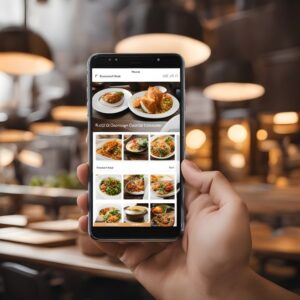
Rather than relying on traditional on-premise systems, many businesses now use cloud-based environments for greater flexibility and scalability.
Advantages of Cloud Deployment
Cloud infrastructure offers:
- High availability
- Automatic backups
- Flexible resource allocation
- Improved disaster recovery
- Simplified maintenance
These benefits contribute to more reliable application performance.
Supporting Business Growth
As customer demand increases, cloud environments can accommodate additional traffic without requiring major system redesigns.
This scalability is particularly important for restaurants planning expansion initiatives.
Emerging Innovations in Food Technology
The restaurant industry continues to evolve as new technologies enter the market. Businesses that monitor these developments can identify opportunities for operational improvement and customer engagement.
Artificial Intelligence Applications
Artificial intelligence is increasingly being integrated into restaurant platforms.
Potential use cases include:
- Smart menu recommendations
- Automated customer support
- Sales forecasting
- Demand prediction
- Customer sentiment analysis
AI-powered systems can improve efficiency while enhancing personalization.
Internet of Things (IoT) Integration
Connected devices can provide real-time operational insights.
Examples include:
- Smart kitchen equipment
- Temperature monitoring systems
- Inventory sensors
- Automated maintenance alerts
These technologies support more efficient restaurant management.
Voice Commerce
Voice-enabled ordering is becoming more common through digital assistants and smart devices.
Voice ordering can simplify interactions and improve accessibility for certain customer groups.
Factors That Influence Project Timelines
Restaurant app development timelines vary depending on business requirements and technical complexity.
Several elements affect project duration.
Discovery and Planning
The planning phase often includes:
- Requirement gathering
- Market analysis
- Technical consultation
- User journey mapping
A thorough planning process helps reduce future development challenges.
Interface Design
Design teams create:
- Wireframes
- User flows
- Interactive prototypes
- Visual design systems
The complexity of these deliverables impacts overall project schedules.
Development and Testing
Application coding, integration, and quality assurance typically represent the largest portion of the project lifecycle.
Comprehensive testing ensures:
- Functional accuracy
- Performance stability
- Security compliance
- Cross-device compatibility
Deployment and Optimization
Following launch, development teams often continue monitoring performance and implementing improvements based on user feedback.
Why Restaurants Are Investing in Proprietary Applications
Many restaurants initially rely on third-party platforms to establish online visibility. However, long-term growth often encourages businesses to develop proprietary digital ecosystems.
Owning a dedicated application provides greater control over customer interactions, operational processes, and brand experiences.
Long-Term Business Advantages
Custom applications can contribute to:
- Stronger customer retention
- Increased direct orders
- Better operational visibility
- Enhanced marketing capabilities
- Improved profitability
As competition intensifies within California’s restaurant sector, digital ownership becomes increasingly valuable.
Supporting Brand Differentiation
A unique mobile experience can help restaurants stand out from competitors.
Distinctive elements may include:
- Custom loyalty ecosystems
- Specialized ordering workflows
- Exclusive promotions
- Premium user experiences
- Community-focused engagement features
These differentiators help strengthen brand recognition while creating memorable customer experiences.
Evaluating Return on Investment from Restaurant Apps
Restaurant owners often evaluate technology investments based on measurable business outcomes.
While development costs represent an upfront investment, long-term benefits can create substantial value.
Areas Where ROI Can Be Generated
Potential gains may come from:
- Increased order frequency
- Higher customer retention
- Reduced operational inefficiencies
- Improved staff productivity
- Better marketing performance
- Increased average transaction value
The ability to collect and analyze customer data further enhances strategic decision-making.
Measuring Success After Launch
Restaurants can monitor several performance indicators, including:
- Monthly active users
- Repeat purchase rates
- Customer lifetime value
- Conversion rates
- App retention metrics
- Revenue growth trends
Tracking these metrics helps determine whether the application is achieving business objectives and delivering sustainable value.
Conclusion
The demand for restaurant ordering and food delivery applications continues to grow throughout California. Restaurants are increasingly investing in custom mobile solutions to improve customer engagement, streamline operations, and reduce reliance on third-party ordering platforms.
Whether developing a simple online ordering application or a comprehensive delivery ecosystem, partnering with an experienced restaurant ordering app development company California helps ensure successful implementation. Similarly, businesses seeking advanced delivery capabilities can benefit from working with a specialized food delivery app development company California.
As technology continues to reshape the food service industry, custom restaurant applications are becoming a critical component of long-term business growth. By understanding development requirements, essential features, technology options, and project costs, restaurant owners can make informed decisions and build digital solutions that meet evolving customer expectations.