
The transportation industry in New York City has changed rapidly over the past decade. Mobile technology, real-time GPS tracking, digital payments, and customer-focused services have transformed how people travel across the city. Today, businesses and startups are investing heavily in ride sharing app development to meet the growing demand for convenient, affordable, and technology-driven transportation services.
Table of Contents
Toggle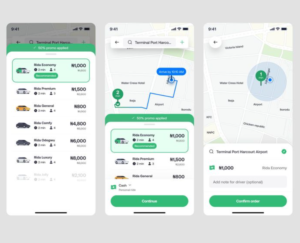
Companies like Uber and Lyft have influenced how commuters move through NYC, but the market still offers opportunities for innovative mobility platforms. From taxi booking solutions to carpooling systems and corporate transport applications, the demand for smart transportation software continues to grow.
At Maven Swami, understanding the structure, features, and technologies behind a successful rideshare platform is essential for businesses planning to enter this competitive market. This guide explores everything related to ride hailing app development, including essential features, software architecture, development costs, trends, and future opportunities in New York City.
Understanding Ride Sharing App Development
Ride sharing app development refers to the process of building digital platforms that connect passengers with drivers through mobile applications or web-based systems. These applications allow users to book rides, track drivers in real time, make online payments, and manage transportation services efficiently.
Modern ride sharing solutions generally include:
- Passenger applications
- Driver applications
- Admin dashboards
- GPS navigation systems
- Secure payment gateways
- Analytics and reporting tools
The growth of smartphone usage and urban mobility challenges has made rideshare solutions highly relevant in densely populated cities like NYC.
Why NYC Is a Strong Market for Rideshare Apps
New York City is one of the busiest metropolitan areas in the world. Millions of residents, tourists, and daily commuters rely on transportation services every day. Several factors contribute to the increasing need for rideshare app development in NYC:

High Population Density
The city’s large population creates consistent demand for fast and accessible transportation.
Traffic and Parking Challenges
Many people prefer ride-sharing services over personal vehicles because parking is expensive and traffic congestion is common.
Tourism and Business Travel
Tourists and business travelers frequently use mobile transportation apps for convenience.
Growing Preference for Shared Mobility
Consumers increasingly prefer affordable and environmentally friendly travel options such as carpooling.
Difference Between Ride Sharing and Ride Hailing
Although the terms are often used interchangeably, there are slight differences.
Ride Sharing
Ride sharing involves multiple passengers sharing a vehicle traveling in the same direction. This model focuses on cost reduction and fuel efficiency.
Examples include:
- Carpooling services
- Shared taxi rides
- Employee transportation systems
Ride Hailing
Ride hailing refers to booking a private ride through an app. A driver accepts the request and transports the passenger directly to the destination.
Popular ride-sharing examples include:
- Uber Technologies
- Lyft
- Via Transportation
Both business models require advanced ride sharing software and reliable backend infrastructure.
Essential Features of Ride Sharing Software
A successful transportation platform depends heavily on user experience, safety, and operational efficiency. Businesses planning ridesharing app development services should prioritize core features.
Passenger App Features
User Registration
Passengers should be able to sign up using:
- Phone numbers
- Email addresses
- Social media accounts
Ride Booking
Users can:
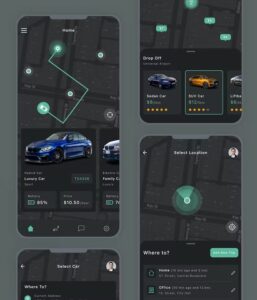
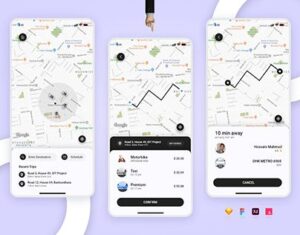
- Enter pickup and drop-off locations
- Select vehicle types
- Estimate fares
- Schedule rides
Real-Time GPS Tracking
GPS functionality allows passengers to track drivers and estimated arrival times.
Secure Payments
Integration with payment gateways enables:
- Credit card payments
- Digital wallets
- Online banking
- Cash payments
Ratings and Reviews
Passengers can rate drivers and share feedback after each ride.
Ride History
Users can view previous rides, invoices, and payment details.
Driver App Features
Drivers require dedicated tools for efficient operations.
Driver Registration
Includes:
- License verification
- Vehicle documentation
- Identity authentication
Ride Request Management
Drivers can:
- Accept or reject rides
- View trip details
- Navigate routes
Earnings Dashboard
Drivers should have access to:
- Daily earnings
- Weekly reports
- Incentive tracking
Navigation Integration
GPS integration with platforms like Google Maps improves route optimization.
Admin Panel Features
The admin dashboard acts as the control center for the entire platform.
User Management
Admins can monitor passengers and drivers.
Analytics and Reports
Performance tracking includes:
- Revenue analytics
- Ride statistics
- Customer behavior
Surge Pricing Control
Dynamic pricing management helps balance demand and supply.
Complaint Management
Admins can resolve disputes and monitor safety concerns.
Technologies Used in Ride Hailing App Development
Modern ride hailing app development requires advanced technologies for scalability, security, and performance.
Frontend Development
Common technologies include:
- React Native
- Flutter
- Swift
- Kotlin
Backend Development
Backend frameworks manage server-side operations.
Popular technologies:
- Node.js
- Python
- Ruby on Rails
- Java
Cloud Infrastructure
Cloud platforms improve scalability and performance.
Examples:
- Amazon Web Services
- Google Cloud Platform
- Microsoft Azure
Database Systems
Reliable databases store user and trip information.
Examples:
- PostgreSQL
- MongoDB
- MySQL
GPS and Mapping APIs
Location tracking is critical for rideshare applications.
Common APIs:
- Google Maps API
- Mapbox
- OpenStreetMap
Basic Level of a Popular Ridesharing App
Businesses often begin with a minimum viable product (MVP) before developing a fully advanced system. The basic level of a popular ridesharing app usually includes:
- User registration
- Driver registration
- Ride booking
- GPS tracking
- Fare calculation
- Basic payment integration
- Notifications
- Ratings system
Launching with core functionality helps startups validate market demand while reducing initial development costs.
Importance of Carpooling App Development
Urban congestion and environmental concerns are driving demand for carpooling app development solutions.
Carpooling applications help:
- Reduce fuel consumption
- Lower travel expenses
- Minimize carbon emissions
- Improve traffic management
Many organizations in NYC are implementing corporate carpooling platforms to support sustainable commuting practices.
Business Models in Rideshare Software
Different revenue strategies can be implemented in rideshare software.
Commission-Based Model
The platform takes a percentage from each completed ride.
Subscription Model
Drivers or users pay monthly subscription fees.
Surge Pricing
Fares increase during peak demand periods.
Advertisement Revenue
Businesses can display ads within the app.
Corporate Partnerships
Transportation providers collaborate with companies for employee travel solutions.
Steps Involved in Ride Sharing App Development
Creating scalable ride sharing software requires a structured development process.

1. Market Research
Understanding competitors and customer behavior is essential before development begins.
Key research areas:
- User demographics
- Pricing strategies
- Regulatory requirements
- Competitor analysis
2. Define Features and Scope
Businesses must identify:
- Core functionalities
- Platform type
- User requirements
- Expansion plans
3. UI/UX Design
User experience strongly influences customer retention.
Design priorities include:
- Simple navigation
- Fast booking process
- Clear interface
- Mobile responsiveness
4. App Development
Developers create:
- Passenger apps
- Driver apps
- Admin panels
- Backend systems
5. API Integration
Third-party integrations include:
- Maps
- Payments
- SMS notifications
- Cloud services
6. Testing and Quality Assurance
Testing ensures:
- App stability
- Data security
- GPS accuracy
- Payment functionality
7. Deployment and Maintenance
After launch, regular updates and maintenance improve performance and security.
Cost of Rideshare App Development
The cost of ridesharing app development services varies depending on complexity and feature requirements.
Factors Affecting Development Cost
App Complexity
Basic apps cost less than enterprise-level platforms.
Platform Selection
Developing for both iOS and Android increases costs.
Features and Integrations
Advanced functionalities such as AI recommendations and real-time analytics require additional resources.
Development Team Location
Development costs differ based on geographic regions.
Cloud Infrastructure
Scalable cloud systems require ongoing operational expenses.
Role of Artificial Intelligence in Ride Sharing Apps
AI technology is becoming increasingly important in transportation software.

Route Optimization
AI helps identify faster routes and reduce fuel consumption.
Demand Prediction
Machine learning predicts peak demand periods.
Fraud Detection
AI systems identify suspicious activities and fake accounts.
Personalized Recommendations
Apps can recommend preferred ride options based on user behavior.
Importance of Data Security in Ride Sharing Software
Transportation applications handle sensitive user information, including:
- Personal details
- Payment data
- Real-time locations
Security measures include:
- End-to-end encryption
- Multi-factor authentication
- Secure cloud storage
- GDPR and privacy compliance
Cybersecurity is especially critical for companies operating in major cities like NYC.
Regulatory Considerations in NYC
Businesses developing ride-sharing platforms in New York City must comply with local transportation laws.
Taxi and Limousine Commission Regulations
The New York City Taxi and Limousine Commission oversees transportation licensing and regulations.
Insurance Requirements
Drivers and vehicles must meet insurance standards.
Driver Verification
Background checks and documentation are mandatory.
Accessibility Standards
Apps should support accessibility features for disabled passengers.
Trends Shaping the Future of Ride Hailing App Development
The mobility sector continues evolving rapidly.
Electric Vehicle Integration
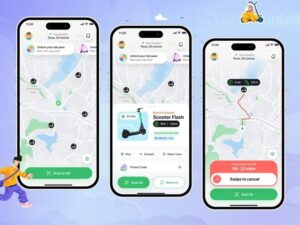
Many ride-sharing companies are adopting EV fleets to reduce emissions.
Autonomous Vehicles
Self-driving technology may transform future transportation systems.
Companies involved in autonomous driving research include:
- Tesla
- Waymo
Subscription Mobility Services
Monthly ride plans are becoming increasingly popular.
Blockchain-Based Payments
Blockchain improves payment transparency and security.
AI-Powered Fleet Management
AI tools optimize vehicle allocation and reduce operational costs.
Benefits of Ride Sharing Applications
Businesses and users both benefit from advanced rideshare solutions.
Benefits for Users
- Convenient booking
- Affordable travel
- Real-time tracking
- Cashless payments
- Faster transportation
Benefits for Businesses
- Scalable business model
- High market demand
- Recurring revenue opportunities
- Data-driven decision-making
Environmental Benefits
- Reduced emissions
- Lower fuel usage
- Decreased traffic congestion
Common Challenges in Ride Sharing App Development
Despite strong market potential, businesses face several challenges.
Intense Competition
Major players dominate the transportation market.
Regulatory Compliance
Transportation laws differ across regions.
User Retention
Maintaining driver and passenger engagement requires continuous improvements.
Data Privacy Concerns
Cybersecurity risks remain a major concern.
Real-Time Performance Requirements
Apps must support:
- Instant ride matching
- Accurate GPS tracking
- Fast response times
How MVP Development Helps Startups
Many startups begin with an MVP approach to reduce risks.
An MVP includes only essential features and helps businesses:
- Validate business ideas
- Gather user feedback
- Reduce initial investment
- Improve product-market fit
After successful validation, additional features can be introduced gradually.
Choosing the Right Ride Sharing App Development Company
Selecting an experienced ride sharing app development company is an important decision for transportation startups and enterprises.
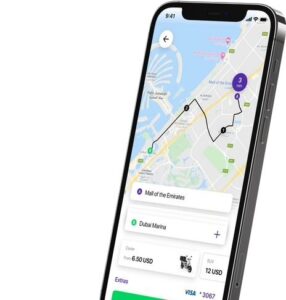
Businesses should evaluate:
- Technical expertise
- Industry experience
- Portfolio quality
- Scalability capabilities
- Security practices
- Post-launch support
Maven Swami emphasizes the importance of long-term scalability and stable architecture when building modern mobility platforms.
Importance of Scalable Architecture
Scalability is essential for handling growing numbers of users and ride requests.
Scalable infrastructure helps:
- Maintain app performance
- Prevent server downtime
- Support geographic expansion
- Improve reliability
Cloud-native systems and microservices architecture are commonly used in large-scale ride-sharing applications.
Real-Time Communication in Rideshare Apps
Efficient communication improves customer experience.
In-App Messaging
Passengers and drivers can communicate securely.
Push Notifications
Notifications inform users about:
- Ride confirmations
- Driver arrivals
- Payment updates
VoIP Calling
Some platforms integrate internet-based calling systems for secure communication.
Payment Gateway Integration
Modern users expect flexible payment options.
Common payment integrations include:
- Stripe
- PayPal
- Apple Pay
- Google Pay
Secure payment processing improves customer trust and retention.
Multi-City Expansion Strategies
Many transportation startups initially launch in one city before expanding.
Key considerations for expansion:
- Local regulations
- Market demand
- Driver availability
- Pricing strategies
- Infrastructure scalability
NYC often serves as a strategic launch market because of its large commuter population and high transportation demand.
Why User Experience Matters
Simple and intuitive design strongly influences app adoption.
Important UX principles include:
- Fast onboarding
- Minimal booking steps
- Clear navigation
- Accurate fare estimation
- Responsive customer support
Poor user experience can negatively impact customer retention even if the platform offers advanced features.
Future Opportunities in the Mobility Industry
The future of urban transportation continues to evolve through digital innovation.
Emerging opportunities include:
- Shared electric mobility
- AI-powered dispatch systems
- Autonomous transportation
- Smart city integrations
- Sustainable commuting platforms
As transportation habits continue changing, businesses investing in ride sharing app development can adapt to new mobility trends and user expectations.
Conclusion
The transportation industry in NYC continues to create opportunities for innovative mobility platforms. Businesses investing in ride hailing app development, carpooling app development, and advanced rideshare software solutions must focus on scalability, security, user experience, and regulatory compliance.
From the basic level of a popular ridesharing app to enterprise-grade transportation ecosystems, successful platforms require reliable architecture, real-time technology, and customer-focused design. Features such as GPS tracking, secure payment systems, AI-based analytics, and cloud scalability are now essential components of modern ride-sharing platforms.
As urban mobility continues evolving, companies like Maven Swami recognize the growing importance of intelligent transportation systems that support convenience, sustainability, and operational efficiency. Businesses entering the NYC rideshare market can benefit from understanding emerging technologies, transportation trends, and evolving customer expectations while building scalable and future-ready digital solutions.