
The food and restaurant industry in New York has evolved rapidly with the rise of digital technology. Today, customers expect convenience, speed, and seamless service, whether they are dining in, ordering takeout, or getting food delivered. This shift has created a growing demand for businesses that specialize in restaurant application development.
Maven Swami, as a professional restaurant app development company, understands how digital solutions are reshaping the way restaurants operate and connect with customers. In this blog, we explore everything you need to know about restaurant mobile app development, its benefits, features, and why it is essential for modern restaurants in New York.
The Growing Need for Restaurant App Development
New York is one of the busiest cities in the world, with thousands of restaurants competing for customer attention. In such a competitive environment, relying only on traditional methods is no longer enough.
Restaurant app development helps businesses:
- Reach customers directly through mobile devices
- Offer easy online ordering systems
- Improve customer engagement
- Build brand loyalty
- Streamline operations
A well-designed mobile application is not just a tool—it becomes a central part of a restaurant’s business strategy.
What is Restaurant Mobile App Development?
Restaurant mobile app development refers to the process of creating mobile applications tailored specifically for restaurants, cafes, food chains, and cloud kitchens. These apps are designed to handle various tasks such as food ordering, reservations, payment processing, and customer interaction.
A restaurant mobile app development company focuses on building customized solutions that meet the unique needs of each business. From user-friendly interfaces to advanced backend systems, everything is designed to improve efficiency and customer satisfaction.
Key Types of Restaurant Applications
Restaurant application development includes different types of apps depending on business goals:
1. Food Ordering Apps
These apps allow customers to browse menus, place orders, and make payments online. They can be used for delivery or takeaway services.
2. Table Reservation Apps
Customers can book tables in advance, reducing wait times and improving dining experiences.
3. Restaurant Management Apps
These applications help restaurant owners manage inventory, staff, billing, and daily operations.
4. Loyalty and Rewards Apps
Designed to retain customers by offering discounts, rewards, and personalized offers.
5. Delivery Management Apps
These apps help restaurants track deliveries, manage drivers, and optimize routes.
Essential Features of a Restaurant Mobile App
A professional restaurant app developer ensures that the application includes features that enhance usability and performance. Some essential features include:
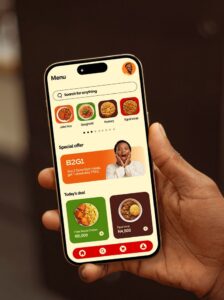
User-Friendly Interface
A simple and clean design ensures customers can easily navigate the app without confusion.
Online Ordering System
Customers should be able to browse menus, customize orders, and place them quickly.
Secure Payment Gateway
Integration with multiple payment options like credit cards, digital wallets, and online banking.
Real-Time Order Tracking
Customers can track their orders from preparation to delivery.
Push Notifications
Restaurants can send updates about offers, discounts, and order status.
Reviews and Ratings
Customers can share feedback, helping improve service quality.
GPS Integration
Helps in accurate delivery tracking and location-based services.
Multi-Language Support
Important in a diverse city like New York to cater to a wider audience.
Benefits of Hiring a Restaurant App Development Company
Working with a professional restaurant app development company like Maven Swami offers several advantages:
Expertise and Experience
Experienced developers understand industry trends and customer expectations.
Customized Solutions
Every restaurant has unique needs, and custom development ensures the app aligns with business goals.
Scalability
Apps can grow with the business, handling increased traffic and new features.
Technical Support
Ongoing maintenance ensures the app runs smoothly without issues.
Faster Time to Market
Professional teams follow efficient development processes, reducing delays.
Restaurant Software Development: Beyond Mobile Apps
Restaurant software development goes beyond mobile applications. It includes a range of digital solutions that improve operations and customer experience.
Point of Sale (POS) Systems
Modern POS systems integrate with mobile apps to manage billing and transactions.
Inventory Management Systems
Track stock levels, reduce waste, and manage suppliers efficiently.
Customer Relationship Management (CRM)
Stores customer data to offer personalized services and promotions.
Analytics and Reporting Tools
Provide insights into sales, customer behavior, and performance.
Role of Restaurant Mobile App Developers
Restaurant mobile app developers play a crucial role in building high-quality applications. Their responsibilities include:
- Designing intuitive user interfaces
- Developing secure and scalable backend systems
- Integrating APIs and third-party services
- Testing and debugging applications
- Ensuring compatibility across devices
A skilled restaurant app developer focuses on both functionality and user experience.
The Development Process
A reliable restaurant mobile app development company follows a structured process to deliver successful applications:
1. Requirement Analysis
Understanding the business model, target audience, and goals.
2. UI/UX Design
Creating visually appealing and user-friendly designs.
3. Development
Building the frontend and backend of the application.
4. Testing
Ensuring the app is free from bugs and performs well.
5. Deployment
Launching the app on platforms like Android and iOS.
6. Maintenance
Providing updates and technical support after launch.
Latest Trends in Restaurant App Development
The restaurant industry is constantly evolving, and staying updated with trends is essential.
AI-Based Recommendations
Apps can suggest dishes based on user preferences and past orders.
Voice Ordering
Integration with voice assistants for hands-free ordering.
Contactless Payments
A growing demand for safe and secure payment options.
Augmented Reality (AR) Menus
Customers can view dishes in 3D before ordering.
Chatbots
Automated customer support for quick responses.
Challenges in Restaurant Application Development
Despite its benefits, restaurant app development comes with challenges:
High Competition
Standing out in a crowded market requires unique features.
User Retention
Keeping users engaged over time is crucial.
Data Security
Protecting customer information is a top priority.
Integration Issues
Ensuring compatibility with existing systems can be complex.
A professional restaurant app development services provider can effectively address these challenges.
Why New York Restaurants Need Mobile Apps
New York is a fast-paced city where convenience is key. Customers prefer quick and easy solutions, making mobile apps essential.
High Demand for Online Ordering
People rely heavily on food delivery services.
Diverse Customer Base
Apps can cater to different cultures and preferences.
Competitive Market
Digital presence helps restaurants stay ahead.
Customer Expectations
Modern customers expect seamless digital experiences.
Choosing the Right Restaurant App Development Company
Selecting the right partner is critical for success. Here are some factors to consider:
Portfolio and Experience
Review past projects to understand expertise.
Technology Stack
Ensure the company uses modern tools and technologies.
Client Reviews
Feedback from previous clients provides valuable insights.
Communication
Clear and transparent communication is essential.
Post-Launch Support
Ongoing support ensures long-term success.
Future of Restaurant Mobile App Development
The future of restaurant mobile app development looks promising, with technology continuing to evolve.
Increased Automation
More processes will become automated, reducing manual effort.
Personalization
Apps will offer highly personalized experiences.
Integration with Smart Devices
Apps may connect with smart home systems and wearable devices.
Sustainability Features
Digital solutions to reduce waste and promote eco-friendly practices.
How Maven Swami Supports Restaurant Businesses
Maven Swami focuses on delivering professional restaurant app development services tailored to modern business needs. With a strong understanding of technology and industry trends, the company develops solutions that help restaurants operate efficiently and connect better with customers.
By combining innovation, user-centric design, and advanced development techniques, Maven Swami ensures that each application meets high standards of performance and usability.
Advanced Insights into Restaurant App Development in New York
As the digital ecosystem continues to evolve, restaurants in New York are no longer just competing on food quality or location—they are competing on experience. A well-built application developed through expert restaurant mobile app development services can significantly influence how customers perceive and interact with a brand.
Maven Swami recognizes that modern diners expect speed, personalization, and reliability. This is why expanding the scope of restaurant application development beyond basic ordering systems has become essential.
Deep Personalization: The Future of Customer Engagement
Personalization is one of the most powerful tools in modern restaurant software development. Today’s users expect apps to “understand” their preferences.
Behavioral Tracking
Apps can analyze customer behavior such as:
- Frequently ordered dishes
- Preferred cuisines
- Order timing patterns
Using this data, restaurants can offer tailored suggestions, improving both user satisfaction and order value.
Dynamic Menus
Menus can adapt based on:
- Time of day
- Customer preferences
- Seasonal availability
For example, a breakfast menu can automatically appear in the morning, while dinner specials are highlighted in the evening.
Smart Notifications
Instead of sending generic promotions, apps can deliver:
- Personalized discounts
- Birthday offers
- Reorder reminders
This level of customization increases engagement without overwhelming the user.
Integration with Third-Party Platforms
A strong restaurant app developer ensures seamless integration with external systems. This expands functionality and improves operational efficiency.
Payment Gateways
Integration with secure payment providers ensures smooth transactions and builds customer trust.
Delivery Aggregators
Apps can connect with third-party delivery platforms, allowing restaurants to manage multiple channels from a single dashboard.
Social Media Integration
Customers can share their dining experiences directly from the app, increasing brand visibility.
Accounting Software
Automated financial tracking simplifies bookkeeping and reduces manual errors.
Enhancing Customer Experience Through Design
User experience (UX) plays a critical role in the success of any restaurant mobile app.
Minimalist Navigation
Simple layouts help users complete actions quickly, such as placing an order in just a few taps.
Visual Appeal
High-quality images and clean typography make the app more engaging.
Accessibility Features
Apps should include:
- Voice support
- Adjustable text sizes
- Easy navigation for all age groups
A well-designed app ensures inclusivity and broader reach.
Role of Data Analytics in Restaurant Applications
Data is one of the most valuable assets in restaurant software development.
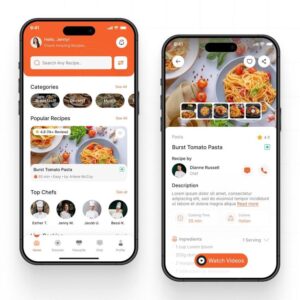
Sales Insights
Restaurants can identify:
- Best-selling items
- Peak business hours
- Customer spending habits
Customer Segmentation
Users can be grouped based on behavior, allowing targeted marketing campaigns.
Performance Tracking
Key metrics such as order completion rate, delivery time, and customer retention can be monitored in real-time.
These insights help businesses make informed decisions and improve overall efficiency.
Cloud-Based Restaurant App Solutions
Cloud technology has transformed how restaurant mobile app development is approached.
Benefits of Cloud Integration
- Real-time data access
- Reduced infrastructure costs
- Improved scalability
- Enhanced security
Cloud-based systems allow restaurant owners to manage operations from anywhere, which is particularly useful in a city like New York where businesses often operate multiple outlets.
Multi-Platform Development Strategy
A professional restaurant mobile app development company focuses on building apps that work seamlessly across platforms.
Android and iOS Compatibility
Ensuring consistent performance on both platforms is essential for reaching a wider audience.
Web App Integration
In addition to mobile apps, web-based solutions provide accessibility for users who prefer browsing on desktops.
Cross-Platform Frameworks
Using modern frameworks reduces development time while maintaining quality.
Security Measures in Restaurant App Development
Security is a critical aspect of restaurant application development, especially when handling sensitive customer data.
Data Encryption
All transactions and personal information should be encrypted to prevent unauthorized access.
Secure Authentication
Features like two-factor authentication (2FA) add an extra layer of protection.
Compliance Standards
Apps must comply with data protection regulations to ensure user privacy.
Managing High Traffic and Scalability
Restaurants in New York often experience sudden spikes in demand, especially during peak hours.
Load Balancing
Distributes traffic evenly across servers to prevent crashes.
Scalable Architecture
Allows the app to handle increased users without performance issues.
Performance Optimization
Ensures fast loading times and smooth operation even under heavy usage.
Role of Artificial Intelligence in Food Ordering Apps
Artificial intelligence is reshaping the way food ordering app development companies build modern applications.
Predictive Ordering
AI can predict what customers are likely to order based on past behavior.
Chatbots for Customer Support
Automated chat systems can handle common queries instantly.
Fraud Detection
AI helps identify suspicious transactions, enhancing security.
Importance of Real-Time Features
Real-time functionality enhances transparency and builds trust.
Live Order Updates
Customers receive updates at every stage—from preparation to delivery.
Driver Tracking
Real-time GPS tracking improves delivery accuracy.
Instant Notifications
Users are informed immediately about order status changes.
Customization for Different Business Models
Every restaurant operates differently, and a one-size-fits-all approach does not work.
Fine Dining Restaurants
Focus on reservations, ambiance previews, and exclusive offers.
Quick Service Restaurants (QSRs)
Prioritize speed, easy ordering, and quick checkout.
Cloud Kitchens
Require efficient delivery management and order processing systems.
Multi-Chain Restaurants
Need centralized control with location-specific customization.
Maven Swami emphasizes tailored restaurant app development services to meet these varied requirements.
Marketing Capabilities Within Restaurant Apps
Modern restaurant apps are powerful marketing tools.
Loyalty Programs
Reward customers for repeat orders, increasing retention.
Referral Systems
Encourage users to invite others in exchange for discounts.
In-App Promotions
Highlight special deals directly within the app interface.
Email and SMS Integration
Allows restaurants to run targeted campaigns outside the app.
Role of Automation in Restaurant Operations
Automation reduces manual effort and improves efficiency.
Order Processing
Automatically sends orders to the kitchen without human intervention.
Inventory Updates
Stock levels are updated in real-time based on orders.
Staff Management
Schedules and tracks employee performance.
Automation ensures smoother operations and minimizes errors.
Localization for New York Market
New York is a culturally diverse city, making localization an important aspect of restaurant mobile app development.
Language Options
Offering multiple languages improves accessibility.
Local Payment Methods
Supporting region-specific payment options enhances convenience.
Geo-Targeted Offers
Restaurants can send promotions based on user location.
Environmental and Sustainability Features
Sustainability is becoming increasingly important in the restaurant industry.
Digital Receipts
Reduce paper usage by providing electronic bills.
Eco-Friendly Options
Highlight sustainable menu items.
Waste Management Tracking
Monitor and reduce food waste through data insights.
Continuous Improvement Through Updates
Launching an app is just the beginning. Continuous updates are essential to keep it relevant.
Feature Enhancements
Adding new functionalities based on user feedback.
Bug Fixes
Regular maintenance ensures smooth performance.
Performance Improvements
Optimizing speed and responsiveness over time.
Competitive Advantage Through Innovation
Restaurants that invest in advanced restaurant app development gain a significant edge over competitors.
Unique Features
Innovative functionalities attract more users.
Better Customer Retention
Improved experience encourages repeat business.
Strong Brand Presence
A professional app enhances credibility.
Collaboration Between Developers and Businesses
Successful restaurant application development requires close collaboration.
Clear Communication
Ensures that the final product aligns with business goals.
Feedback Loops
Regular input from restaurant owners improves the app.
Agile Development Approach
Allows flexibility and faster improvements.
Training and Onboarding for Staff
Introducing new technology requires proper training.
Staff Training Programs
Employees should understand how to use the system efficiently.
User Guides
Providing documentation helps in smooth adoption.
Ongoing Support
Continuous assistance ensures long-term success.
Expanding Business Opportunities
A well-developed app opens new revenue streams.
Subscription Models
Offer premium memberships with exclusive benefits.
Partnerships
Collaborate with other businesses for cross-promotions.
Upselling and Cross-Selling
Suggest additional items during the ordering process.
Conclusion
Restaurant app development is no longer optional—it is a necessity for businesses looking to succeed in a competitive market like New York. From improving customer experience to streamlining operations, mobile applications offer numerous benefits.
A reliable restaurant mobile app development company can help transform your restaurant into a digital-first business. Whether it’s food ordering, table reservations, or complete restaurant software development, investing in the right technology can drive growth and long-term success.
Maven Swami continues to play a key role in helping restaurants adapt to this digital transformation through professional, scalable, and efficient solutions.