
Mobile applications have become an essential part of modern business operations and everyday life. From ordering food and managing finances to connecting with customers and automating workflows, apps are everywhere. Businesses in Coral Springs, FL are increasingly investing in mobile app development to stay competitive and meet evolving customer expectations.
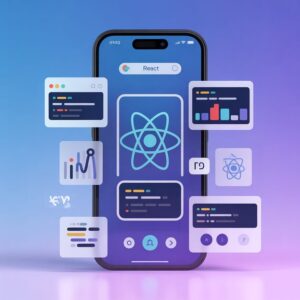
This comprehensive guide explains everything you need to know about mobile app developers, app development, and how phone apps are made, while covering the full mobile application development stages. Written in simple language and a professional tone, this article is designed to help businesses, startups, and individuals understand the complete process.
Understanding Mobile App Development
Mobile app development refers to the process of creating software applications that run on mobile devices such as smartphones and tablets. These apps can be designed for different platforms, mainly:
-
iOS (Apple devices)
-
Android (Google devices)
-
Cross-platform solutions
In Coral Springs, businesses are increasingly adopting mobile solutions to enhance customer engagement, improve operational efficiency, and build digital presence.
Role of Mobile App Developers
Mobile app developers are professionals who design, build, test, and maintain mobile applications. Their responsibilities include:
-
Writing clean and efficient code
-
Designing user-friendly interfaces
-
Integrating APIs and third-party services
-
Testing applications for bugs and performance
-
Updating apps based on user feedback
There are different types of developers:
1. Frontend Developers
They focus on what users see and interact with, such as layouts, buttons, and navigation.
2. Backend Developers
They handle server-side logic, databases, and APIs that power the app.
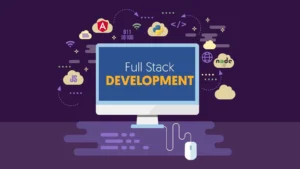
3. Full-Stack Developers
They work on both frontend and backend components.
4. Cross-Platform Developers
They build apps that work on multiple platforms using frameworks like Flutter or React Native.
How Are Phone Apps Made?
Many people ask: how are apps made? The answer involves several structured steps. Mobile apps are not built randomly; they follow a systematic process.

Step 1: Idea and Concept
Every app begins with an idea. This includes identifying:
-
The problem the app will solve
-
Target audience
-
Core features
For example, a Coral Springs business may want an app for booking services or managing customer interactions.
Step 2: Market Research
Before development begins, research is conducted to understand:
-
Competitors
-
Market demand
-
User expectations
-
Trends in mobile app development
This helps in validating the idea and refining the concept.
Step 3: Planning and Strategy
At this stage, developers create a roadmap for the project. This includes:
-
Defining features and functionalities
-
Choosing the technology stack
-
Deciding development timelines
-
Budget estimation
A clear plan ensures smooth execution and reduces risks.
Mobile Application Development Stages
Understanding the mobile application development stages is crucial for building a successful app.

1. UI/UX Design
User Interface (UI) and User Experience (UX) design focus on how the app looks and feels.
Key elements include:
-
Wireframes and prototypes
-
Navigation structure
-
Visual design (colors, typography)
-
User journey mapping
A well-designed app improves user satisfaction and engagement.
2. Development Phase
This is where the actual coding begins. It is usually divided into:
Frontend Development
-
Building the app interface
-
Ensuring responsiveness
-
Creating interactive elements
Backend Development
-
Setting up servers and databases
-
Creating APIs
-
Managing data flow
3. Testing and Quality Assurance
Testing ensures that the app works properly and is free from errors.
Types of testing include:
-
Functional testing
-
Performance testing
-
Security testing
-
Usability testing
In Coral Springs, businesses often prioritize high-quality apps to maintain their reputation and customer trust.
4. Deployment
Once the app is tested, it is launched on app stores such as:
-
Apple App Store
-
Google Play Store
Deployment involves:
-
App submission
-
Compliance with guidelines
-
App approval process
5. Maintenance and Updates
App development does not end after launch. Continuous maintenance is required to:
-
Fix bugs
-
Improve performance
-
Add new features
-
Ensure compatibility with new devices
Types of Mobile Applications
Mobile apps can be categorized into different types based on their development approach.
1. Native Apps
Built specifically for one platform (iOS or Android). They offer:
-
High performance
-
Better user experience
-
Full access to device features
2. Hybrid Apps
These apps combine elements of both native and web apps. They are:
-
Cost-effective
-
Faster to develop
-
Suitable for basic applications
3. Web Apps
Web-based applications accessed through browsers. They do not require installation but may have limited functionality.
Technologies Used in Mobile App Development
Modern mobile app development uses a variety of technologies:

Programming Languages
-
Java, Kotlin (Android)
-
Swift (iOS)
-
JavaScript
Frameworks
-
React Native
-
Flutter
-
Xamarin
Backend Technologies
-
Node.js
-
Python
-
PHP
Databases
-
MySQL
-
Firebase
-
MongoDB
Choosing the right technology depends on project requirements and business goals.
Mobile App Development for Startups
The term développement mobile startup highlights the growing demand for mobile apps among startups.
Startups in Coral Springs can benefit from mobile apps by:
-
Reaching a wider audience
-
Offering innovative services
-
Building brand identity
-
Scaling operations quickly
Key Considerations for Startups
-
Focus on MVP (Minimum Viable Product)
-
Optimize development costs
-
Prioritize user feedback
-
Plan for scalability
Benefits of Mobile Application Development
Mobile apps offer several advantages for businesses:
1. Improved Customer Engagement
Apps provide direct communication channels with users.
2. Brand Visibility
Having an app increases brand recognition.
3. Better User Experience
Apps are faster and more interactive than websites.
4. Increased Revenue Opportunities
Businesses can generate income through:
-
In-app purchases
-
Subscriptions
-
Advertising
Challenges in Mobile App Development
Despite its benefits, app development comes with challenges:
1. Platform Compatibility
Ensuring the app works on different devices and OS versions.
2. Security Concerns
Protecting user data is critical.
3. Performance Issues
Apps must run smoothly without crashes.
4. Continuous Updates
Keeping the app relevant requires ongoing improvements.
Trends in Mobile App Development
Mobile app development is constantly evolving. Some current trends include:
1. Artificial Intelligence (AI)
AI-powered apps provide personalized experiences.
2. Internet of Things (IoT)
Apps connect with smart devices.
3. Augmented Reality (AR)
Used in gaming, retail, and education.
4. 5G Technology
Faster connectivity enhances app performance.
5. Cloud Integration
Cloud-based apps offer scalability and flexibility.
How Businesses in Coral Springs Benefit from Apps
Coral Springs is a growing business hub, and mobile apps play a significant role in its digital transformation.

Local businesses use apps for:
-
Online booking systems
-
E-commerce platforms
-
Customer loyalty programs
-
Real-time notifications
Industries benefiting from mobile apps include:
-
Healthcare
-
Retail
-
Education
-
Hospitality
-
Real estate
Best Practices for Mobile App Development
To ensure successful app development, follow these best practices:
1. Focus on User-Centered Design
Always prioritize the needs and preferences of users.
2. Keep It Simple
Avoid unnecessary complexity in features and design.
3. Optimize Performance
Ensure fast loading times and smooth navigation.
4. Ensure Security
Use encryption and secure authentication methods.
5. Regular Testing
Continuous testing improves quality and reliability.
Cost of Mobile App Development
The cost of mobile app development varies based on:
-
Complexity of the app
-
Number of features
-
Platform (iOS, Android, or both)
-
Design requirements
-
Development time
Typical cost ranges:
-
Basic apps: Lower cost
-
Medium complexity apps: Moderate cost
-
Advanced apps: Higher investment
Businesses in Coral Springs should plan their budget carefully and prioritize essential features.
Advanced Considerations in Mobile App Development
Beyond the basic stages of mobile application development, there are deeper technical and strategic aspects that influence the success of an app. Businesses in Coral Springs, FL increasingly recognize that a well-built application requires more than just coding—it requires planning, optimization, and long-term scalability.

Importance of App Architecture
App architecture defines how different components of the application interact with each other. A well-structured architecture ensures that the app is:
-
Scalable for future growth
-
Easy to maintain and update
-
Efficient in performance
-
Secure and reliable
Common Architecture Patterns
1. MVC (Model-View-Controller)
Separates the app into three parts:
-
Model: Data
-
View: UI
-
Controller: Logic
2. MVVM (Model-View-ViewModel)
Widely used in modern apps for better separation of concerns and improved testing.
3. Microservices Architecture
Used for large-scale applications where different services operate independently.
Backend Infrastructure and APIs
The backend is the backbone of any mobile application. It handles data storage, authentication, and communication between systems.

Key Backend Components
-
Servers: Host the application logic
-
Databases: Store user and app data
-
APIs (Application Programming Interfaces): Enable communication between frontend and backend
Types of APIs
-
REST APIs
-
GraphQL APIs
-
Third-party APIs (payment gateways, maps, social login)
Efficient backend development ensures that the app runs smoothly even with high user traffic.
Database Management in Mobile App Development
Choosing the right database is critical for performance and scalability.
Types of Databases
1. Relational Databases
-
Structured data
-
Examples: MySQL, PostgreSQL
2. NoSQL Databases
-
Flexible and scalable
-
Examples: MongoDB, Firebase
Key Considerations
-
Data security
-
Speed of data retrieval
-
Scalability for future users
Security in Mobile Applications
Security is a major concern in mobile app development. Users expect their data to be safe and protected.
Common Security Practices
-
End-to-end encryption
-
Secure APIs
-
Authentication (OAuth, biometric login)
-
Data masking
-
Regular security audits
Threats to Avoid
-
Data breaches
-
Malware attacks
-
Unauthorized access
-
Weak encryption
Businesses in Coral Springs must comply with data protection regulations to maintain trust and credibility.
UI/UX Optimization Strategies
While design is already discussed, optimization takes it further by improving usability and engagement.
Key UX Principles
-
Simplicity in navigation
-
Fast loading speed
-
Consistent design patterns
-
Accessibility for all users
UI Enhancements
-
Interactive animations
-
Clean layouts
-
Readable typography
-
Mobile responsiveness
A well-optimized UI/UX ensures higher user retention and satisfaction.
Performance Optimization Techniques
Performance plays a critical role in user experience. Slow apps often lead to user drop-offs.
Techniques to Improve Performance
-
Code optimization
-
Image compression
-
Lazy loading
-
Efficient caching
-
Reducing API calls
Monitoring Tools
-
Firebase Performance Monitoring
-
New Relic
-
AppDynamics
These tools help identify bottlenecks and improve app efficiency.
Agile Methodology in App Development
Modern app development often follows Agile methodology, which focuses on iterative development and continuous improvement.
Key Features of Agile
-
Short development cycles (sprints)
-
Continuous feedback
-
Flexibility in changes
-
Faster delivery
Benefits
-
Improved collaboration
-
Better product quality
-
Faster time-to-market
This approach is particularly useful for startups and evolving projects.
Role of DevOps in Mobile App Development
DevOps integrates development and operations to streamline the app lifecycle.
Key DevOps Practices
-
Continuous Integration (CI)
-
Continuous Deployment (CD)
-
Automated testing
-
Version control
Benefits
-
Faster development cycles
-
Reduced errors
-
Improved collaboration
App Monetization Strategies
Mobile apps can generate revenue through different monetization models.
Common Models
1. In-App Purchases
Users buy features or virtual goods within the app.
2. Subscription Model
Users pay a recurring fee for premium access.
3. Advertising
Revenue is generated through ads displayed in the app.
4. Freemium Model
Basic features are free, while advanced features require payment.
Choosing the right monetization strategy depends on the app’s purpose and target audience.
App Store Optimization (ASO)
App Store Optimization is essential for improving app visibility.
Key ASO Factors
-
App title and keywords
-
Description and metadata
-
User reviews and ratings
-
App screenshots and visuals
Benefits
-
Higher app downloads
-
Better ranking in app stores
-
Increased user engagement
Localization and Global Reach
Apps designed for diverse audiences must support multiple languages and regions.
Localization Elements
-
Language translation
-
Cultural adaptation
-
Currency and date formats
-
Regional compliance
For businesses in Coral Springs targeting global users, localization enhances user experience and accessibility.
Integration with Emerging Technologies
Modern mobile apps integrate advanced technologies to stay competitive.
1. Artificial Intelligence and Machine Learning
-
Personalized recommendations
-
Chatbots
-
Predictive analytics
2. Blockchain Technology
-
Secure transactions
-
Data transparency
3. Augmented and Virtual Reality
-
Interactive experiences
-
Training simulations
4. Internet of Things (IoT)
-
Smart home integration
-
Wearable device connectivity
Testing Strategies for High-Quality Apps
Testing is not a one-time process—it is continuous throughout development.
Advanced Testing Methods
-
Automated testing
-
Beta testing with real users
-
Regression testing
-
Load testing
Importance
-
Identifies bugs early
-
Ensures stability
-
Improves user experience
Maintenance and Lifecycle Management
After deployment, apps require ongoing support.
Maintenance Activities
-
Bug fixes
-
Performance improvements
-
Feature updates
-
Security patches
Lifecycle Stages
-
Development
-
Launch
-
Growth
-
Maturity
-
Update or replacement
Proper lifecycle management ensures long-term success.
Choosing the Right Development Approach
Businesses must choose between different development approaches:
1. In-House Development
-
Full control over the project
-
Higher cost
2. Outsourcing
-
Cost-effective
-
Access to global talent
3. Hybrid Approach
-
Combination of in-house and external teams
Each approach has its advantages depending on business needs.
Documentation in Mobile App Development
Documentation is often overlooked but is essential for:
-
Understanding code structure
-
Future updates
-
Team collaboration
Types of Documentation
-
Technical documentation
-
API documentation
-
User manuals
Environmental and Ethical Considerations
Modern development also considers sustainability and ethics.
Key Aspects
-
Energy-efficient coding
-
Data privacy
-
Ethical AI usage
Businesses are becoming more responsible in how they build and deploy apps.
Competitive Analysis in App Development
Understanding competitors helps in building better apps.
Key Analysis Areas
-
Features comparison
-
User reviews
-
Pricing models
-
Market positioning
This helps identify gaps and opportunities.
Risk Management in Mobile App Projects
Every app development project involves risks.
Common Risks
-
Budget overruns
-
Delayed timelines
-
Technical challenges
-
Changing requirements
Risk Mitigation Strategies
-
Clear planning
-
Regular communication
-
Agile methodology
-
Backup strategies
User Feedback and Iteration
User feedback is crucial for continuous improvement.
Methods to Collect Feedback
-
In-app surveys
-
Reviews and ratings
-
Analytics data
Benefits
-
Identifies issues
-
Improves features
-
Enhances user satisfaction
Analytics and Performance Tracking
Analytics tools help track app performance and user behavior.
Key Metrics
-
User retention rate
-
Session duration
-
Conversion rate
-
Crash reports
Popular Tools
-
Google Analytics
-
Firebase Analytics
-
Mixpanel
Data-driven decisions lead to better app performance.
Cross-Platform vs Native Development: A Deeper Look
Choosing between cross-platform and native development is a critical decision.

Native Development
Advantages:
-
High performance
-
Better user experience
Disadvantages:
-
Higher cost
-
Longer development time
Cross-Platform Development
Advantages:
-
Cost-effective
-
Faster development
Disadvantages:
-
Limited performance for complex apps
Cloud-Based Mobile App Development
Cloud technology plays a vital role in modern app development.
Benefits
-
Scalability
-
Cost efficiency
-
Data security
-
Remote access
Cloud Services
-
AWS
-
Google Cloud
-
Microsoft Azure
Accessibility in Mobile Apps
Accessibility ensures that apps can be used by people with disabilities.
Features
-
Voice navigation
-
Screen readers
-
High-contrast UI
-
Adjustable font sizes
Inclusive design improves usability for all users.
Legal and Compliance Considerations
Apps must comply with legal regulations.
Key Areas
-
Data protection laws (GDPR, CCPA)
-
Intellectual property rights
-
Terms and conditions
-
Privacy policies
Compliance helps avoid legal issues and builds trust.
Conclusion
Mobile app development is a structured and strategic process that involves multiple stages, from idea generation to deployment and maintenance. Understanding how phone apps are made and the complete mobile application development stages helps businesses make informed decisions.
For companies in Coral Springs, FL, investing in mobile apps is no longer optional—it is a necessity for growth and competitiveness. Whether it is a startup exploring développement mobile startup opportunities or an established business looking to expand digitally, mobile apps offer powerful solutions.
By focusing on user experience, adopting modern technologies, and following best practices, businesses can create impactful applications that deliver real value.
Maven Swami emphasizes a professional, structured, and user-focused approach to mobile app application development, ensuring that every project aligns with business goals and market demands.