
Technology is evolving rapidly, and wearable devices have become one of the most exciting innovations in the digital world. From smartwatches and fitness trackers to healthcare monitoring devices, wearable technology is changing the way people interact with data, track their health, and improve their lifestyle. Businesses and healthcare providers in New York City (NYC) are increasingly investing in wearable application development to create smarter solutions for users.
Companies like Maven Swami focus on building modern, scalable, and secure wearable apps that connect devices, analyze data, and deliver meaningful insights. These applications work with wearable electronics and smart devices to improve healthcare monitoring, fitness tracking, and productivity.
This blog explores wearable app development, healthcare wearable app development, wearable devices app development, Android wearable app development, and the importance of wearable electronics in modern industries.
Define Wearable: What Are Wearable Devices?
Before discussing wearable development, it is important to define wearable technology.
A wearable device is a small electronic device that users can wear on their body. These devices collect data, connect with smartphones or cloud platforms, and provide real-time insights.
Common examples include:
-
Smartwatches
-
Fitness trackers
-
Smart glasses
-
Health monitoring devices
-
Smart rings
-
Wearable medical sensors
These devices are powered by wearables electronics, including sensors, processors, wireless connectivity modules, and batteries.
Wearable technology is designed to be lightweight, comfortable, and capable of continuous monitoring. The main purpose of wearable devices is to provide real-time information about health, activity, location, or environment.
Businesses and startups in NYC’s technology ecosystem are exploring wearable technology to create smarter healthcare, fitness, and productivity solutions.
What Is Wearable Application Development?
Wearable application development refers to the process of building software applications that run on wearable devices such as smartwatches, health trackers, and wearable medical equipment.
These apps connect wearable devices with mobile applications, cloud systems, or enterprise platforms.
Wearable apps can perform multiple functions, such as:
-
Health monitoring
-
Fitness tracking
-
Notification alerts
-
GPS tracking
-
Medical data collection
-
Communication features
-
Productivity tools
Developers create wearable apps using programming languages and frameworks designed for wearable operating systems such as:
-
Android Wear OS
-
watchOS
-
Tizen
-
Fitbit OS
Companies like Maven Swami develop wearable apps that ensure seamless integration between wearable devices, smartphones, and cloud infrastructure.
Importance of Wearable Devices in Modern Technology
Wearable devices are transforming many industries, especially healthcare and fitness.
Some key advantages include:
1. Real-Time Data Monitoring
Wearable devices continuously collect data about health metrics such as heart rate, steps, sleep patterns, and calories burned.
2. Convenience
Since wearable devices are worn on the body, they provide quick access to notifications and information without using a smartphone.
3. Improved Health Awareness
Healthcare wearable apps help users track vital signs and maintain a healthy lifestyle.
4. Better Productivity
Wearable devices can send reminders, track schedules, and support workplace productivity.
5. Personalized Insights
Data collected from wearable apps can be analyzed to provide customized recommendations.
In cities like New York City, where people lead busy lifestyles, wearable technology offers a convenient way to manage health and daily activities.
Wearables Electronics: The Technology Behind Smart Devices
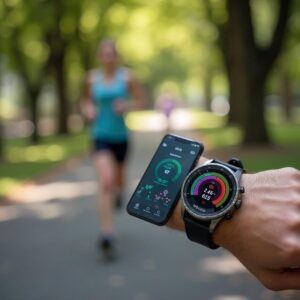
Wearables electronics refer to the hardware components used in wearable devices. These components allow devices to collect data, process information, and communicate with other systems.
Common wearable electronics include:
-
Motion sensors
-
Accelerometers
-
Gyroscopes
-
Heart rate sensors
-
GPS modules
-
Bluetooth and Wi-Fi connectivity chips
-
Microprocessors
-
Rechargeable batteries
These electronic components work together to provide accurate data and seamless connectivity.
Software developers create wearable applications that interact with these hardware components to deliver useful insights and functionality.
Companies working in wearable device app development must understand both hardware capabilities and software architecture to build efficient solutions.
Wearable Device App Development: How It Works
The process of wearable device app development involves several stages. Each stage ensures that the application performs well and provides a great user experience.
1. Idea and Planning
The first step is identifying the purpose of the wearable application. For example:
-
Health monitoring
-
Fitness tracking
-
Medical diagnosis support
-
Lifestyle improvement
2. Device Compatibility
Developers decide which devices the app will support. Examples include:
-
Smartwatches
-
Fitness bands
-
Medical wearable devices
3. UI/UX Design
Wearable devices have small screens, so developers design minimal and user-friendly interfaces.
4. Development
Programmers build the wearable application using frameworks such as:
-
Wear OS SDK
-
Android Studio
-
Apple WatchKit
5. Testing
Testing ensures the application works smoothly with wearable hardware and mobile devices.
6. Deployment
After testing, the application is launched on app stores or integrated into healthcare systems.
Companies like Maven Swami provide structured development processes to ensure high-quality wearable applications.
Android Wearable App Development
Android wearable app development is one of the most popular approaches for wearable devices. Many wearable products run on Google’s Wear OS, which allows developers to create powerful applications for smartwatches and fitness trackers.
Android wearable apps can perform functions such as:
-
Fitness tracking
-
Health monitoring
-
Messaging and notifications
-
Navigation
-
Voice commands
-
Smart home control
Developers use tools like:
-
Android Studio
-
Wear OS SDK
-
Kotlin
-
Java
Android wearable apps can also synchronize with smartphones to exchange data and notifications.
Businesses in New York City’s technology sector are using Android wearable apps for fitness, healthcare, and enterprise productivity solutions.
Healthcare Wearable App Development
One of the most impactful areas of wearable technology is healthcare wearable app development.
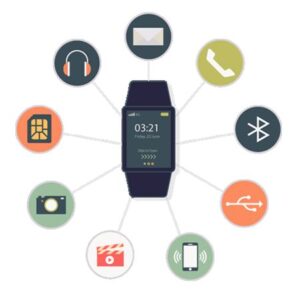
Wearable healthcare apps help doctors and patients monitor health conditions in real time.
Examples of healthcare wearable devices include:
-
Heart rate monitoring watches
-
Blood oxygen sensors
-
ECG wearable devices
-
Sleep monitoring devices
-
Fitness and wellness trackers
Healthcare wearable apps provide several benefits.
Continuous Health Monitoring
Patients can track their vital signs throughout the day.
Remote Patient Monitoring
Doctors can monitor patients remotely using wearable devices.
Early Disease Detection
Wearable apps can detect abnormal health patterns and alert users.
Fitness and Wellness Management
Users can monitor their exercise routines and daily activity.
Healthcare wearable technology is becoming increasingly important in cities like NYC, where digital healthcare solutions are expanding rapidly.
Companies such as Maven Swami support healthcare organizations in developing secure and reliable wearable health applications.
Applications of Wearable Technology in Different Industries
Wearable technology is not limited to healthcare or fitness. Many industries are using wearable devices for improved efficiency and safety.
Healthcare
Doctors use wearable devices for patient monitoring and health tracking.
Fitness and Wellness
Fitness trackers help users track workouts, calories, and physical activity.
Sports
Athletes use wearable technology to monitor performance and prevent injuries.
Enterprise and Workplace
Companies use wearable devices for employee productivity and safety.
Smart Homes
Wearable apps can control smart home devices such as lights and security systems.
Retail and Customer Experience
Retail stores use wearable technology for staff communication and customer engagement.
New York City, known as a global technology hub, is seeing increased adoption of wearable solutions across industries.
Key Features of Modern Wearable Apps
Successful wearable applications include several important features.
Real-Time Data Tracking
Apps collect and analyze data instantly from sensors.
Cloud Integration
Wearable apps store data securely in cloud platforms for analysis.
Notifications and Alerts
Users receive alerts about health metrics or reminders.
Voice Commands
Many wearable apps support voice-based interactions.
Mobile Synchronization
Wearable apps connect with smartphones for extended functionality.
Data Security
Protecting user data is critical, especially in healthcare wearable apps.
Companies like Maven Swami focus on building secure and scalable wearable applications for modern businesses.
Challenges in Wearable Device App Development
Although wearable technology offers many benefits, developers face several challenges.
Limited Screen Size
Designing user interfaces for small screens requires careful planning.
Battery Consumption
Wearable apps must be optimized to reduce battery usage.
Device Compatibility
Different wearable devices have different operating systems.
Data Privacy
Wearable apps often collect sensitive health data, so security is critical.
Hardware Limitations
Wearable devices have limited processing power compared to smartphones.
Experienced development teams ensure these challenges are addressed through efficient coding and architecture.
Why Businesses in NYC Are Investing in Wearable Technology
New York City is one of the world’s leading innovation hubs. Many startups, healthcare organizations, and technology companies are investing in wearable technology.
Reasons include:
-
Growing demand for digital healthcare
-
Increasing fitness awareness
-
Expansion of IoT technology
-
Smart city initiatives
-
Data-driven healthcare solutions
Wearable apps provide valuable insights that help businesses make better decisions.
Development companies like Maven Swami support organizations in building scalable wearable platforms tailored for NYC’s fast-paced environment.
Integration of Wearable Devices with Mobile Applications
One of the most important aspects of wearable application development is the integration of wearable devices with mobile applications. Most wearable devices are connected to smartphones because mobile apps provide extended functionality and better data management.
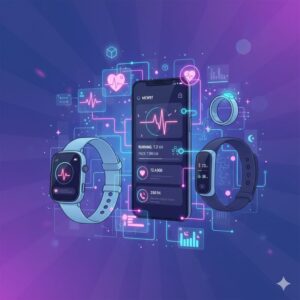
For example, a fitness tracker collects health data such as steps, heart rate, and calories burned. However, the detailed analysis and reports are usually displayed in a connected mobile application. This connection allows users to track their health progress, view statistics, and receive recommendations.
Developers working on wearable device app development design applications that sync data smoothly between wearable devices and mobile platforms. This synchronization ensures that users can access their information anytime and anywhere.
Mobile integration also allows wearable apps to send notifications, reminders, and alerts. For instance, healthcare wearable devices can notify users about abnormal heart rate levels or remind them to take medication.
In cities like New York City, where people live fast-paced lifestyles, mobile-connected wearable technology helps individuals manage their health and daily tasks efficiently.
Role of Cloud Technology in Wearable Applications
Cloud computing plays a critical role in wearable devices app development. Since wearable devices collect a large amount of data every day, storing and processing that data locally is not always practical.
Cloud platforms allow wearable applications to securely store and analyze large volumes of data. This enables features such as:
-
Real-time health monitoring
-
Data analytics and insights
-
Long-term health tracking
-
Remote patient monitoring
For example, healthcare wearable apps can store patient data in secure cloud servers so doctors can access it remotely. This improves communication between patients and healthcare professionals.
Companies like Maven Swami focus on developing wearable apps that integrate with cloud systems to provide scalable and reliable data management solutions.
Cloud integration also improves the performance of wearable apps because heavy data processing tasks are handled on remote servers instead of on the device itself.
Security and Privacy in Wearable Device Applications
Security is one of the most important considerations in wearable device app development, especially in healthcare applications. Wearable devices often collect sensitive personal data such as health information, activity patterns, and location details.
Developers must ensure that this data is protected from unauthorized access.
Important security practices include:
-
Data encryption
-
Secure authentication systems
-
Privacy protection policies
-
Secure cloud storage
-
Compliance with healthcare regulations
Healthcare wearable app development requires strong data protection to comply with industry standards such as HIPAA and other privacy regulations.
Users must feel confident that their data is safe when using wearable technology. Development teams therefore prioritize security at every stage of the wearable app development process.
Importance of User Experience in Wearable Applications
User experience plays a crucial role in the success of wearable application development. Since wearable devices have small screens and limited interaction options, designing simple and intuitive interfaces is essential.
Wearable apps should provide quick access to important information without overwhelming users with too much data.
Best practices for wearable app design include:
-
Minimal user interface elements
-
Clear icons and readable text
-
Simple navigation
-
Voice-based commands
-
Gesture-based interactions
For example, a fitness wearable app should display key information such as step count, heart rate, or workout progress in a clear and easy-to-read format.
Developers working on android wearable app development often use specialized design guidelines provided by Google to ensure consistent user experience across wearable devices.
Companies like Maven Swami focus on creating wearable applications that combine functionality with simplicity, ensuring that users can interact with devices effortlessly.
Growing Demand for Wearable Devices in Healthcare
Healthcare is one of the fastest-growing sectors for wearable technology. The demand for healthcare wearable app development continues to increase as hospitals and healthcare providers adopt digital health solutions.
Wearable healthcare devices help doctors monitor patients without requiring frequent hospital visits. Patients can track their health conditions using wearable sensors and share data with healthcare professionals.
Common healthcare wearable applications include:
-
Heart rate monitoring
-
Blood oxygen tracking
-
Sleep monitoring
-
Fitness and activity tracking
-
Stress level monitoring
These technologies help patients manage chronic diseases such as diabetes, hypertension, and cardiovascular conditions.
In large cities like New York City, healthcare institutions are increasingly adopting wearable devices to improve patient care and reduce hospital workload.
Digital health startups are also investing in wearable solutions to provide innovative healthcare services.
Wearable Devices and the Internet of Things (IoT)
Wearable devices are an important part of the Internet of Things (IoT) ecosystem. IoT refers to the network of connected devices that communicate and exchange data through the internet.
Wearable devices act as smart sensors that collect data from the user and transmit it to connected systems.
Examples of IoT-based wearable applications include:
-
Smart fitness tracking systems
-
Connected healthcare monitoring platforms
-
Smart workplace safety solutions
-
Smart home integration with wearable devices
For example, a wearable smartwatch can connect with smart home systems to control lighting, security cameras, and temperature settings.
Developers working in wearable devices app development design applications that allow wearable technology to interact with other IoT devices.
This connectivity enhances the overall user experience and creates smarter digital ecosystems.
Enterprise Use of Wearable Technology
Wearable technology is also becoming popular in enterprise environments. Businesses are adopting wearable solutions to improve productivity, safety, and operational efficiency.
Some common enterprise applications include:
-
Employee health monitoring
-
Industrial safety wearables
-
Smart glasses for training and maintenance
-
Workforce productivity tracking
For example, warehouse workers may use wearable devices to receive instructions or scan products while working. This helps improve efficiency and reduce manual errors.
Companies in New York City’s corporate and industrial sectors are exploring wearable technologies to improve workplace operations.
Development companies like Maven Swami support businesses by building customized wearable applications that address enterprise needs.
Market Growth of Wearable Technology
The global market for wearable technology continues to expand rapidly. More consumers are adopting wearable devices for fitness tracking, health monitoring, and lifestyle management.
Several factors are driving the growth of wearable technology:
-
Increased health awareness
-
Advances in wearable electronics
-
Integration with smartphones and cloud platforms
-
Rising demand for digital healthcare solutions
-
Growth of IoT technology
Smartwatches and fitness trackers are among the most widely used wearable devices today. However, the future of wearable technology includes advanced medical wearables, smart clothing, and augmented reality devices.
Businesses that invest in wearable application development today are positioning themselves for long-term technological innovation.
Cities like New York City, known for technological innovation and startup ecosystems, continue to attract investments in wearable technology and digital health solutions.
Role of Maven Swami in Wearable App Development
Developing a successful wearable application requires expertise in mobile development, IoT integration, and user experience design.
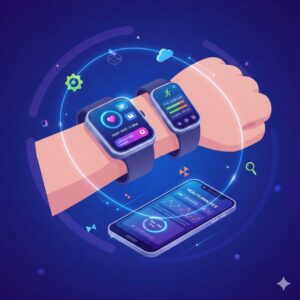
Maven Swami focuses on creating innovative wearable solutions that integrate hardware and software seamlessly.
The company works on:
-
Wearable device app development
-
Android wearable app development
-
Healthcare wearable app development
-
Smart device integration
-
IoT-based wearable platforms
By combining modern development practices with scalable cloud technologies, wearable applications can deliver real value to businesses and users.
Conclusion
Wearable technology is transforming the way people interact with digital devices. From health monitoring to productivity tools, wearable devices are becoming an essential part of modern life.
Understanding wearable devices, wearable electronics, wearable app development, and healthcare wearable app development is important for businesses that want to stay competitive in the digital age.
Cities like New York City are seeing rapid adoption of wearable technology across healthcare, fitness, enterprise, and consumer markets.
Companies such as Maven Swami contribute to this growing ecosystem by developing wearable applications that integrate hardware, software, and cloud technologies.
As wearable devices continue to evolve, the demand for innovative wearable apps will grow, opening new opportunities for businesses, developers, and technology leaders.