
The restaurant industry in New York City has always been at the forefront of innovation. From fine dining experiences to quick-service restaurants, technology is reshaping how people discover, order, and enjoy food. As customer expectations evolve, businesses are turning to restaurant app development companies to create seamless, user-friendly mobile solutions that enhance dining experiences and improve operational efficiency.
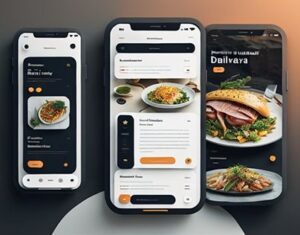
At Maven Swami, we understand that restaurants today need more than just a physical presence—they need a strong digital identity. Whether it’s a food ordering app, a table reservation system, or a restaurant management platform, the right technology can make all the difference in staying competitive in NYC’s fast-paced market.
In this article, we’ll explore everything you need to know about restaurant app development, including its benefits, features, costs, and why partnering with the right restaurant mobile app development company is key to success.
The Rise of Restaurant Mobile Apps in New York City
New York City is home to one of the world’s most dynamic dining scenes. With thousands of restaurants competing for customer attention, digital transformation has become essential. The increasing reliance on smartphones and the popularity of food delivery apps have made restaurant mobile app development a necessity rather than an option.
Customers now expect to browse menus, place orders, make payments, and even track deliveries—all from their phones. According to recent studies, over 70% of restaurant customers prefer ordering digitally when given the choice. For restaurants, this means that investing in restaurant app development services isn’t just about convenience—it’s about survival in an increasingly digital economy.
What Is Restaurant App Development?
Restaurant app development is the process of designing and building mobile applications that cater specifically to the food and beverage industry. These apps can serve multiple purposes, such as:
-
Food ordering and delivery apps
-
Table reservation platforms
-
Restaurant management systems
-
Customer loyalty and rewards programs
-
Digital menus and contactless payment systems
A skilled restaurant mobile app development company focuses on creating customized solutions that align with a restaurant’s goals, whether that means improving operational workflows, increasing online sales, or enhancing customer satisfaction.
Why Restaurants in New York Need Mobile Apps
In a city as competitive as New York, standing out requires innovation and customer engagement. Here’s why having a mobile app has become indispensable:
1. Increased Visibility
A dedicated restaurant app improves your online visibility and helps you reach more customers searching for dining options in NYC. Integrations with Google Maps, reviews, and delivery platforms further enhance discoverability.
2. Streamlined Ordering and Delivery
Mobile apps simplify the ordering process, allowing users to browse menus, customize meals, and pay securely. This not only improves user experience but also reduces operational errors.
3. Customer Loyalty and Retention
A well-designed app can include features like loyalty programs, referral bonuses, and personalized promotions. This builds long-term relationships with customers and encourages repeat orders.
4. Data-Driven Insights
Mobile apps collect valuable customer data—such as preferences, order history, and peak hours—allowing restaurant owners to make data-driven decisions to optimize menus, pricing, and marketing strategies.
5. Competitive Edge
In New York City’s dense food market, having a functional app can give restaurants a competitive advantage. Businesses that adopt technology early often see better engagement and higher revenue.
Types of Restaurant Mobile Apps
Not all restaurant apps serve the same purpose. Depending on your business model, your app can focus on one or several core functions. Let’s look at the main types developed by top restaurant mobile app developers in New York.
1. Food Ordering and Delivery Apps
These are the most popular restaurant applications. They allow customers to place online orders, make payments, and track deliveries in real time. Apps like these are essential for restaurants that operate their own delivery services instead of relying solely on third-party platforms.
2. Reservation and Table Booking Apps
These apps help customers book tables in advance, reducing wait times and improving overall dining experiences. Integration with calendars and push notifications ensures smoother customer management.
3. Restaurant Management Apps
Aimed at internal operations, these apps allow staff to manage orders, inventory, kitchen workflows, and even staff schedules. This improves efficiency and reduces manual work.
4. Customer Loyalty and Rewards Apps
These apps are designed to retain existing customers through reward points, digital wallets, and exclusive deals. They encourage repeat orders and strengthen brand loyalty.
5. Aggregator and Multi-Restaurant Apps
Aggregator platforms list multiple restaurants and allow users to choose based on cuisine, ratings, and location. Many startups in New York are entering this space with innovative features.
Key Features of a Successful Restaurant Mobile App
The functionality of your app determines how effectively it serves both customers and restaurant staff. A professional restaurant app developer focuses on creating a seamless experience by including essential features such as:
-
User Registration and Profiles
-
Interactive Menus with Images and Descriptions
-
Real-Time Order Tracking
-
Multiple Payment Options (credit card, Apple Pay, Google Pay, etc.)
-
Push Notifications for Offers and Updates
-
Ratings and Reviews
-
Loyalty Programs and Coupons
-
Admin Dashboard for Restaurant Owners
-
Analytics and Reporting Tools
Each of these features enhances engagement, improves operations, and contributes to the overall efficiency of the restaurant’s ecosystem.
The Role of a Restaurant App Development Company
Partnering with a reliable restaurant mobile app development company is crucial to ensure a high-quality, scalable product. Professional developers handle the process from concept to deployment, which typically includes:
-
Discovery & Planning – Understanding the restaurant’s goals, challenges, and target audience.
-
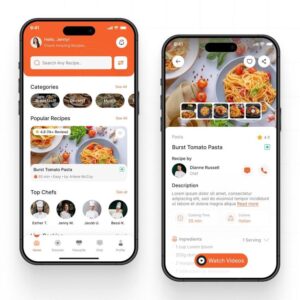
UI/UX Design – Creating an attractive, intuitive interface that reflects the restaurant’s brand.
-
Development – Building the app’s front-end and back-end using appropriate frameworks and technologies.
-
Testing & Quality Assurance – Ensuring performance, security, and functionality.
-
Deployment & Maintenance – Launching the app on iOS and Android stores and providing long-term support.
At Maven Swami, we emphasize scalable architecture and seamless user experience, allowing restaurants in New York City to stay ahead in the digital space.
Technologies Used in Restaurant Application Development
The tech stack chosen for restaurant software development greatly influences app performance and scalability. Commonly used technologies include:
-
Frontend: React Native, Flutter, or Swift (for iOS)
-
Backend: Node.js, Python, or PHP
-
Database: MySQL, MongoDB, Firebase
-
Cloud Hosting: AWS, Azure, Google Cloud
-
APIs: Payment gateways, Google Maps, delivery tracking integrations
Choosing the right stack ensures smooth operation, faster development, and better long-term maintainability.
Cost of Restaurant App Development in New York City
One of the most common questions restaurant owners ask is: How much does it cost to develop a restaurant app?
The cost of restaurant app development varies depending on several factors, including:
-
App Complexity: More features = higher cost.
-
Platform Choice: Native (iOS/Android) or cross-platform.
-
Design Quality: Custom UI/UX vs. standard templates.
-
Integration Requirements: Payment systems, delivery APIs, POS systems, etc.
-
Development Team Expertise: Experienced restaurant app developers in New York may charge higher but ensure better results.
On average, a simple restaurant app in New York City can cost between $25,000 and $60,000, while complex, multi-feature apps may go beyond $100,000.
Investing in quality development ensures a smoother user experience, higher retention rates, and fewer technical issues post-launch.
The Process of Restaurant App Development
Developing a restaurant app involves several well-defined stages. Here’s an overview of how Maven Swami and similar restaurant mobile app development companies structure their process:
1. Idea Validation
Before writing any code, we analyze your concept, target users, and competitors to validate your idea’s feasibility.
2. Wireframing and Design
The design team creates wireframes and interactive prototypes to visualize the app’s structure and flow.
3. Development and Integration
Developers code the app, integrate APIs, and connect backend systems like POS, CRM, or inventory management tools.
4. Testing
The QA team runs multiple tests—performance, usability, and security—to ensure the app works flawlessly under different conditions.
5. Deployment and Maintenance
After testing, the app is deployed on app stores. Continuous maintenance ensures performance optimization and feature updates.
This structured approach helps minimize risks and deliver high-performing, user-friendly restaurant applications.
Benefits of Restaurant Software Development
Investing in restaurant software development provides both short-term and long-term benefits:
-
Improved Operational Efficiency: Reduces manual order taking and errors.
-
Higher Sales: Encourages repeat orders and cross-selling.
-
Better Customer Insights: Provides data on buying behavior.
-
Enhanced Brand Recognition: Strengthens digital presence in NYC’s competitive market.
-
Flexibility: Supports integration with POS systems, CRMs, and online payment gateways.
For many restaurants, custom-built software has become an essential asset for managing day-to-day operations efficiently.
Choosing the Right Restaurant Mobile App Developers in NYC
When selecting a restaurant mobile app development company in New York City, it’s important to evaluate:
-
Experience and Portfolio: Look for a proven track record in food tech or similar industries.
-
Technical Expertise: Ensure familiarity with modern frameworks and security standards.
-
Client Reviews and Testimonials: Check for consistent positive feedback.
-
Support and Maintenance: Reliable post-launch service is crucial.
-
Customization: Choose developers who tailor solutions to your restaurant’s unique needs.
A reliable partner like Maven Swami focuses on collaboration, transparency, and delivering measurable business outcomes.
Trends Shaping Restaurant App Development in 2026
As the restaurant industry continues to evolve, new technologies are shaping how apps are designed and used. Key trends include:
-
AI-Powered Personalization: Recommending dishes based on user preferences.
-
Voice Ordering Integration: Using Alexa or Google Assistant for hands-free ordering.
-
Contactless Dining: Digital menus and QR-based payments are here to stay.
-
Sustainability Tracking: Apps helping users choose eco-friendly options.
-
AR Menus: Augmented reality visualizations for immersive menu previews.
Adapting to these trends can help New York restaurants deliver cutting-edge digital experiences.
How Restaurant Mobile Apps Enhance Customer Experience
In today’s experience-driven market, customer satisfaction is the foundation of restaurant success. A dedicated restaurant mobile app can transform the dining experience, not only for customers but also for restaurant owners who seek to create lasting impressions.
1. Personalized Dining Experiences
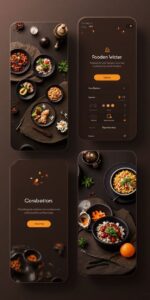
Modern apps leverage AI and data analytics to study customer behavior—tracking order history, favorite dishes, and preferred dining times. This allows restaurants to provide personalized recommendations, exclusive offers, and tailored promotions. When users feel that a restaurant understands their preferences, engagement and loyalty naturally grow.
2. Seamless Ordering and Payment
Convenience is key in New York City’s fast-paced environment. A well-built restaurant application eliminates long waiting times by offering features such as pre-ordering, contactless payments, and scheduled pickups. Integrations with Apple Pay, Google Pay, and credit card processors ensure smooth and secure transactions.
3. Loyalty Rewards and Gamification
A growing number of restaurants are adding loyalty points and gamified reward systems to their apps. These programs encourage repeat visits by rewarding users for frequent purchases, referrals, or social sharing. It’s a win-win strategy that fosters both brand loyalty and customer retention.
4. Real-Time Communication
Push notifications, chatbots, and in-app messaging features help restaurants stay in constant touch with customers. Whether it’s sending special discounts, announcing new menu items, or sharing delivery updates, these tools enhance the customer journey.
For restaurant app developers in New York, crafting these experiences requires a mix of creativity, technology, and empathy for both diners and restaurateurs.
Integration with Restaurant Management Systems
A well-designed restaurant app isn’t just about customer-facing features—it also integrates seamlessly with restaurant management systems to streamline backend operations.
Modern restaurant software development focuses on synchronization between the mobile app, POS (Point of Sale) systems, kitchen displays, and inventory databases. This ensures every order is tracked accurately, reducing manual errors and increasing efficiency.
Here’s how integration supports better management:
-
Inventory Tracking: Apps can automatically update stock levels as orders are placed.
-
Employee Coordination: Staff can view orders in real-time, reducing miscommunication.
-
Analytics and Reporting: Managers can access sales reports, peak order times, and customer data directly from the system.
-
Delivery Optimization: Integration with route planning tools helps ensure faster delivery in busy NYC neighborhoods.
Such backend connections make restaurant operations more intelligent and scalable—an essential factor in New York’s high-volume dining industry.
Security and Compliance in Restaurant App Development
When developing restaurant apps, security is not optional—it’s fundamental. With growing digital transactions and customer data collection, restaurant app development companies in New York must prioritize secure architecture and compliance.
Key security considerations include:
-
Data Encryption: Protecting customer details and payment information.
-
Secure Authentication: Using OTPs or biometric login options.
-
Compliance with Standards: Meeting PCI DSS and GDPR guidelines for payment and data protection.
-
Regular Updates: Keeping the app secure against new threats.
Failure to implement these safeguards can harm reputation and trust. Professional restaurant app developers follow strict compliance protocols to ensure users can order and pay with complete confidence.
The Role of Artificial Intelligence in Restaurant Apps
Artificial Intelligence (AI) is transforming restaurant mobile app development by enabling smarter, faster, and more personalized experiences.

Here are a few ways AI enhances restaurant operations and customer engagement:
-
Predictive Ordering: AI algorithms predict when customers are likely to reorder, prompting timely notifications.
-
Dynamic Pricing: Adjusting menu prices during peak or off-peak hours.
-
Smart Recommendations: Suggesting dishes or combos based on past orders.
-
Chatbots and Virtual Assistants: Providing 24/7 customer support for menu queries, reservations, and feedback.
In New York City, where dining trends shift rapidly, AI-driven insights give restaurants a competitive edge by helping them adapt quickly to customer demands.
Sustainable and Eco-Friendly Restaurant App Development
Sustainability is becoming an important consideration in every industry—including hospitality. Many restaurant app development companies now design features that encourage eco-friendly practices.
For example, apps can promote paperless transactions through digital receipts, track carbon footprints of deliveries, or offer users the choice to opt for sustainable packaging.
In New York City, where consumers are increasingly conscious of environmental impact, incorporating sustainability features not only benefits the planet but also strengthens brand image.
Forward-thinking restaurant application developers at Maven Swami and similar firms are adopting green design principles to help restaurants align with modern consumer values.
The Impact of Cloud Technology on Restaurant App Development
Cloud computing has revolutionized how restaurant mobile apps are developed and maintained. By hosting data and services on the cloud, restaurants can operate more efficiently while minimizing hardware costs.
Benefits of Cloud Integration:
-
Scalability: Easily handle increased app traffic during peak hours.
-
Accessibility: Manage data from anywhere—essential for multi-location restaurants.
-
Data Security: Cloud providers offer advanced security and backup solutions.
-
Cost Efficiency: Reduced infrastructure and maintenance costs.
For restaurant mobile app developers in NYC, cloud-based development ensures reliability, speed, and the ability to deploy updates seamlessly.
Restaurants using cloud-driven apps can monitor operations across multiple branches in Manhattan, Brooklyn, or Queens—all from a centralized dashboard.
Marketing and Promotion Through Restaurant Apps
A mobile app can be a powerful marketing channel in itself. Through strategic use of push notifications, loyalty rewards, and personalized content, restaurants can build deeper relationships with their customers.
Some effective restaurant app development services incorporate built-in marketing tools, such as:
-
Geo-Targeted Promotions: Sending offers based on a user’s location.
-
In-App Campaigns: Highlighting new dishes or special menus.
-
Social Media Integration: Encouraging customers to share their dining experiences.
-
Analytics-Driven Marketing: Tracking engagement and optimizing promotions.
In New York City’s competitive food scene, where customer attention is fleeting, such app-based marketing tactics can make a significant impact.
Custom vs. Off-the-Shelf Restaurant Apps
When planning to launch a restaurant app, business owners must choose between custom-built solutions and off-the-shelf software.
-
Custom Restaurant App Development: Offers complete flexibility, scalability, and unique branding. It’s ideal for restaurants with specific requirements, such as multi-location management or loyalty programs.
-
Off-the-Shelf Apps: Quicker and cheaper but limited in customization and scalability.
While ready-made platforms may suffice for small eateries, growing restaurants in New York usually prefer custom solutions from experienced restaurant mobile app development companies like Maven Swami to ensure long-term adaptability and innovation.
Conclusion
The restaurant business in New York City is as competitive as it is exciting. To thrive in this dynamic environment, restaurants need to leverage technology effectively. Investing in restaurant app development empowers businesses to streamline operations, boost customer engagement, and create memorable dining experiences.
Whether you’re a small eatery or a large restaurant chain, choosing the right restaurant mobile app development company—one that understands both technology and the food industry—can shape your digital future.
At Maven Swami, we believe the future of dining is mobile, data-driven, and customer-centric. With the right digital strategy, New York’s restaurants can turn innovation into growth and continue delighting customers in new, interactive ways.