
New York has always been a hub for innovation, education, and global business. Today, it is also becoming a strong market for digital learning solutions. Schools, universities, training institutes, startups, and enterprises are actively investing in educational technology to improve how people learn, teach, and track progress. That is why e-learning app development services in New York have gained strong demand in recent years.
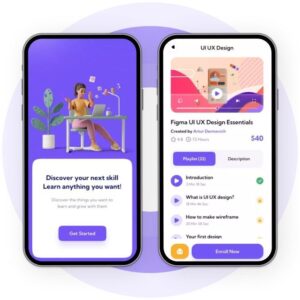
Whether you want to create a mobile learning app for students, a corporate training platform for employees, or a complete education software system for online teaching, the development process requires careful planning, the right features, and strong technology decisions.
In this blog, Maven Swami explains the most important aspects of education application development in New York, including trends, key features, development phases, technology stack, compliance factors, and how educational apps support long-term learning goals. The goal is to provide clear and easy information—without a promotional tone—so you can make better decisions for your project.
Why New York Is a Growing Market for Educational App Development
New York is one of the most diverse states in terms of learners and learning institutions. From large universities and charter schools to coaching centers and corporate training teams, education needs in New York vary widely. This variety drives the need for flexible and scalable learning apps.
Here are some reasons why educational digital solutions are growing in New York:
1) Increasing Demand for Remote and Hybrid Learning
Hybrid education is now a standard format. Many institutions want learning to continue beyond the classroom. A mobile app or web platform allows students to learn anytime, anywhere.
2) Need for Personalized Learning Experiences
Modern students prefer learning content that matches their level, pace, and learning style. Apps that use smart assessments, feedback, and adaptive learning flows are becoming popular.
3) Corporate Training and Upskilling Growth
New York has a large corporate ecosystem. Companies continuously train employees for leadership, compliance, software skills, customer service, and industry certifications. That creates demand for e-learning platforms.
4) Focus on Learning Analytics and Tracking
Institutions and organizations want real-time data: learner engagement, course completion rates, quiz performance, attendance, and improvement areas.
Understanding Education Application Development in New York
When people search for terms like:
-
educational app development company in New York
-
education application development in New York
-
education mobile app development in New York
-
education software development company in New York
-
educational app development services in New York
-
e-learning app development company in New York
-
elearning app development company in New York
-
education app develpoment services in New York
…they are generally looking for a partner that can build a complete solution, not just a basic app.
Education application development includes designing, building, testing, launching, and maintaining digital products such as:
-
Student learning apps
-
Teacher management apps
-
Online course platforms
-
Exam and test preparation apps
-
Live class and webinar platforms
-
Learning Management Systems (LMS)
-
Training apps for enterprises
-
Virtual classrooms and digital tutoring solutions
In short, educational software development is broader than only video lessons—it includes complete systems that support learning workflows.
Types of E-Learning Apps Commonly Built in New York
Different education businesses need different kinds of apps. Below are the most common categories.

1) Learning Management System (LMS) Applications
An LMS is a structured platform used by institutes and businesses to manage online learning.
Key functions of LMS apps include:
-
Course creation and publishing
-
Student enrollment
-
Modules, chapters, and lessons
-
Quiz, assignments, and grading
-
Certificates
-
Attendance and progress tracking
-
Reporting dashboards
2) On-Demand Course Apps (Like Digital Academies)
These apps focus on recorded lessons and self-paced learning. Learners can log in, watch videos, read materials, and complete quizzes.
Best for:
-
Coaching centers
-
Tutors
-
Skill development platforms
-
Language learning providers
3) Virtual Classroom Apps
Virtual classroom solutions provide real-time learning through live video sessions. They often include chat, live attendance, screen sharing, and interactive whiteboards.
Common features include:
-
Live video classes
-
Session scheduling
-
Live polls and quizzes
-
Interactive whiteboard
-
Doubt-clearing chat
-
Class recordings
4) Test Preparation and Mock Exam Apps
Exam-focused apps are extremely popular because they help learners practice and track performance.
Typical modules include:
-
Question bank
-
Timed tests
-
Practice sets
-
Performance analytics
-
Topic-wise progress
-
Weak area recommendations
5) Corporate Training & Compliance Apps
Many companies in New York need professional training for employees. These apps are designed around internal learning goals.
Often used for:
-
Compliance training
-
Cybersecurity awareness
-
HR onboarding
-
Workplace safety
-
Sales and customer support training
6) School Communication and Parent Apps
Schools also invest in apps that connect parents, teachers, and administrators.
Key features include:
-
Announcements and circulars
-
Attendance updates
-
Timetable and homework
-
Exam results
-
Online fee payments
-
Parent-teacher meeting scheduling
Core Features of a Modern Education Mobile App
If you are planning education mobile app development in New York, it is important to understand which features are most relevant. Not every app needs everything, but many successful apps share similar core modules.

1) Secure User Registration and Login
Education apps commonly support:
-
Email login
-
Phone number OTP login
-
Social login (Google / Apple)
-
Role-based access (student, teacher, admin)
Security and privacy are important, especially for student data.
2) Course and Lesson Management
A good learning experience depends on how well content is structured.
Course management features include:
-
Categories and subcategories
-
Course bundles
-
Lesson lists
-
Watch history
-
Resume learning option
3) Video Streaming and Content Delivery
Most e-learning apps use video as the main content format.
Important aspects:
-
Adaptive video streaming
-
Multiple video qualities (low to HD)
-
Content protection options
-
Playback controls
-
Speed control (1x, 1.25x, 1.5x, 2x)
4) Interactive Quizzes and Assignments
Quizzes keep learners engaged and improve retention.
Popular quiz formats include:
-
MCQs
-
True/False
-
Fill in the blanks
-
Match the following
-
Short answer
Assignments may include PDF uploads, image uploads, and evaluation notes.
5) Progress Tracking
Tracking creates motivation and helps learners stay consistent.
Tracking features can show:
-
Completed lessons
-
Quiz scores
-
Topic mastery level
-
Time spent learning
-
Overall course completion percentage
6) Certificates and Badges
Digital certificates are useful for course completion and corporate upskilling programs.
Apps may offer:
-
Auto-generated certificates
-
QR code verification
-
Download/share certificate
-
Badges for milestones
7) Push Notifications and Alerts
Notifications help learners stay connected.
Examples:
-
Class reminder notifications
-
Assignment due reminders
-
New course uploads
-
Exam schedule notifications
-
Payment renewal reminders
8) Payment Integration (If Monetization Is Required)
Many e-learning platforms are paid services. Common payment types include:
-
Subscription plans
-
One-time course purchase
-
Freemium upgrades
-
In-app purchases
9) Admin Dashboard and Analytics
Admin panels are important for managing users, courses, reports, and security settings.
Admin dashboards often include:
-
User management
-
Course management
-
Revenue reporting
-
Learner engagement analytics
-
Content approvals
-
Support ticket management
10) Multi-Device Support
Your users may switch between phone, tablet, and desktop. A smooth cross-device experience increases learning consistency.
Important Benefits of Educational App Development for Organizations
Developing an education app is not only about digital transformation. It also improves how learning is delivered and measured.
Better Access to Learning
Students can learn without being limited by location or time schedules.
Scalability for Growing Institutions
Once an app is built, you can scale to thousands of users without needing physical infrastructure.
More Engagement Through Interactive Content
Gamification, quizzes, rewards, and progress tracking make learning more engaging.
Stronger Retention and Learning Outcomes
Well-structured content and assessments improve understanding and performance.
Data-Driven Decisions
Analytics help institutions identify what works, what doesn’t, and where learners need support.
Key Technologies Used in E-Learning App Development
When working with an education software development company in New York, the technology stack matters because it impacts performance, scalability, and cost.
Mobile Development Options
-
Native Development:
-
iOS (Swift)
-
Android (Kotlin)
-
-
Cross-Platform Development:
-
Flutter
-
React Native
-
Cross-platform apps can reduce development time while still offering good performance.
Backend Development
Back-end is the engine of your education platform.
Common backend technologies:
-
Node.js
-
Python (Django / FastAPI)
-
Java
-
.NET
Database and Storage
Education apps manage large data sets: user data, content, test results, video progress, etc.
Popular database choices:
-
PostgreSQL
-
MySQL
-
MongoDB
-
Firebase (for selected use cases)
Cloud and Hosting
Cloud platforms help apps scale and maintain stable performance.
Common choices include:
-
AWS
-
Google Cloud
-
Microsoft Azure
Video and Content Delivery (CDN)
Video streaming often uses Content Delivery Networks to improve load time.
CDN support helps:
-
Reduce buffering
-
Improve playback quality
-
Handle large traffic loads
Security and Authentication Tools
-
JWT authentication
-
OAuth
-
Two-factor authentication (2FA)
-
Encryption for sensitive information
Compliance and Privacy Considerations in Education App Development
Educational apps often store personal data and learning data. That is why privacy and compliance must be part of the development plan.

Key areas to consider:
Student Data Security
Apps should follow strong security practices such as:
-
Encrypted data storage
-
Role-based permissions
-
Secure login session handling
-
Regular security testing
Accessibility Support
Modern education apps should be accessible for diverse learners.
Important accessibility features include:
-
Captions for video content
-
Screen reader support
-
Adjustable font sizes
-
High contrast UI options
-
Easy navigation
Child Safety (If the App Targets Minors)
If the app is designed for children, it needs additional safeguards like:
-
Parental controls
-
Restricted chat features
-
Safer content browsing
-
Strong consent management
Step-by-Step Process of Education Mobile App Development in New York
A successful e-learning app requires a structured development process. Here is the typical lifecycle followed by experienced development teams such as Maven Swami.

Step 1: Requirements and Goal Planning
Before development begins, define:
-
Target audience (students, teachers, employees, parents)
-
Learning format (live, recorded, mixed)
-
Devices (mobile, web, tablet)
-
Monetization model
-
Primary feature list
Step 2: Market Research and Competitor Review
Research helps identify:
-
common learning pain points
-
trending features
-
pricing models
-
user interface standards
Step 3: UI/UX Design
Design impacts engagement. Education apps need:
-
simple navigation
-
distraction-free learning screens
-
readable typography
-
interactive elements
-
consistent design patterns
Step 4: MVP Development (Minimum Viable Product)
MVP builds only the most essential features first. This approach:
-
saves time and cost
-
allows early feedback
-
reduces risk
Step 5: Full-Scale Development
After MVP validation, advanced features can be added such as:
-
certificates
-
AI-based learning recommendations
-
advanced analytics
-
gamification
-
multi-language support
Step 6: Testing and Quality Assurance
Education apps require extensive testing:
-
functional testing
-
UI testing
-
device compatibility testing
-
performance testing
-
security testing
Step 7: Deployment and Launch
Launch includes:
-
App Store submission (iOS)
-
Google Play Store release
-
Web platform deployment (if included)
-
initial user onboarding
Step 8: Maintenance and Feature Updates
Learning needs evolve. Regular updates are needed for:
-
bug fixes
-
new course formats
-
security updates
-
performance improvements
Common Challenges in E-Learning App Development (and How to Solve Them)
Challenge 1: Low Student Engagement
Solution: Add interactive quizzes, reminders, microlearning, and progress feedback.
Challenge 2: Video Performance Issues
Solution: Use adaptive streaming, CDN support, and optimized file formats.
Challenge 3: Managing Large Content Libraries
Solution: Use structured content management systems and tagging features.
Challenge 4: Handling Many Users at Once
Solution: Use scalable cloud hosting and load-balancing strategies.
Challenge 5: Content Security
Solution: Use DRM strategies, token-based video access, and secure storage.
Trends Shaping Educational App Development in New York
Education technology is continuously evolving. Some important trends include:
1) Microlearning
Short content modules improve retention and reduce learner fatigue.
2) Gamification
Leaderboards, points, streaks, and achievements motivate learners.
3) AI-Powered Learning
Artificial intelligence is supporting:
-
personalized course suggestions
-
smart question generation
-
performance-based learning paths
-
chat-based learning support
4) AR/VR in Training
Some learning platforms now use augmented reality and virtual reality for:
-
medical training
-
safety training
-
engineering simulations
-
lab-based learning
5) Multi-Language Content
New York’s diversity encourages platforms to support:
-
multiple languages
-
regional content customization
-
bilingual learning models
How to Choose the Right Educational App Development Company in New York
If you are evaluating an educational app development company in New York, here are practical factors to review carefully:
Experience in EdTech Projects
Education apps need a different approach than basic apps. Look for experience in:
-
online learning platforms
-
LMS systems
-
test and quiz solutions
-
teacher-student workflows
Strong UI/UX Understanding
Education apps must be user-friendly for:
-
young learners
-
busy teachers
-
parents
-
working professionals
Ability to Build Scalable Systems
Even small platforms may grow quickly. The development team should plan for:
-
thousands of users
-
large media files
-
data analytics
-
high traffic during exams or live classes
Security-First Development
Student and employee data should be protected through:
-
encryption
-
secure authentication
-
role-based access
-
safe payment processing
Post-Launch Support
A real-world app needs:
-
updates
-
bug fixes
-
performance improvements
-
new features over time
Final Thoughts
The demand for e-learning app development services in New York continues to rise because educational institutions and organizations want flexible, measurable, and engaging learning solutions. From mobile learning apps to complete education software platforms, the possibilities are wide—but success depends on strong planning, user-friendly design, reliable technology, and long-term scalability.
If you are preparing for education application development in New York, it is important to start with the right foundation: your audience, your learning goals, and the essential features that support your content strategy. With a structured development approach, a well-built education platform can support learners, teachers, and administrators in a more modern and effective way.
Maven Swami believes that educational software should focus on real learning outcomes, usability, and reliability—so learners can grow without technical barriers.