
Wearable technology has moved from a niche concept to a real part of daily life. Smartwatches, fitness bands, health trackers, and connected wearables are now used by people of different age groups and professions. In a fast-paced and technology-driven environment like New York, wearable devices are becoming tools for health, productivity, safety, and communication.
As a result, wearable app development is gaining attention among startups, enterprises, healthcare providers, and research organizations. Businesses are exploring how wearable app development services can support real-world needs, from fitness monitoring to enterprise mobility.
This article explains wearable app development in simple language, covering how it works, where it is used, and what organizations in New York should understand when working with a company such as Maven Swami. The focus is on information and clarity rather than promotion.
Understanding Wearable App Development
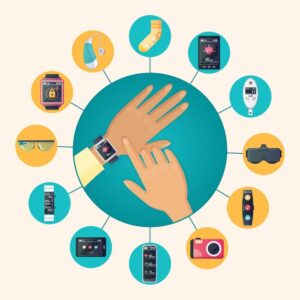
Wearable app development refers to the creation of applications designed specifically for wearable devices. These devices include:
-
Smartwatches
-
Fitness trackers
-
Smart glasses
-
Health monitoring devices
-
Connected clothing and sensors
Unlike traditional mobile apps, wearable applications operate on smaller screens, limited battery power, and sensor-driven inputs. They often rely on quick interactions rather than long user sessions.
Wearable apps may run independently on the device or connect with smartphones and cloud platforms. Many wearable solutions work as companion apps that sync data with mobile or web applications.
Why Wearable Technology Is Growing in New York
New York is known for innovation, healthcare institutions, financial services, and a strong startup ecosystem. Wearable technology fits naturally into this environment.
Several factors support wearable adoption:
-
High awareness of health and fitness
-
Demand for remote monitoring and telehealth
-
Corporate wellness programs
-
Busy urban lifestyles that favor quick data access
-
Research and development initiatives
Wearable device app development in New York is not limited to consumer use. Many organizations use wearables for workforce management, safety monitoring, and productivity tracking.
What Wearable App Development Services Usually Include
Wearable app development services often cover the full lifecycle of a product. This includes planning, design, development, testing, and ongoing updates.
Requirement Analysis
At the beginning, teams define:
-
Purpose of the wearable app
-
Target users
-
Devices to support
-
Data to collect and display
-
Privacy considerations
Clear requirements reduce confusion later.
UI and UX for Small Screens
Designing for wearables is different from mobile design. Screens are smaller, and users expect quick access to information.
Good wearable design focuses on:
-
Minimal text
-
Simple navigation
-
Clear visuals
-
Glanceable information
Sensor Integration
Wearables rely heavily on sensors. Common sensors include:
-
Heart rate monitors
-
Accelerometers
-
GPS
-
Temperature sensors
-
Motion detectors
Developers must ensure accurate data capture and efficient processing.
Connectivity and Sync
Wearable applications often sync with smartphones or cloud servers. Reliable connectivity ensures data is not lost.
Testing and Optimization
Testing includes:
-
Battery usage testing
-
Performance checks
-
Device compatibility
-
Data accuracy validation
Because wearables are resource-constrained, optimization is essential.
Types of Wearable Devices App Development in New York
Wearable technology serves many industries. In New York, several sectors show strong interest.
Health and Medical Wearables
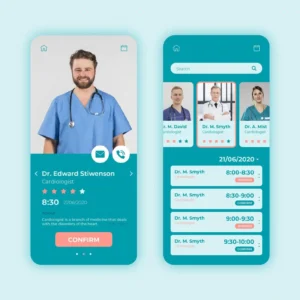
Healthcare is one of the largest adopters. Wearable application development in New York often supports:
-
Remote patient monitoring
-
Chronic disease management
-
Activity tracking
-
Sleep analysis
-
Heart rate monitoring
Medical wearables can help doctors access continuous patient data. However, data security and compliance are critical.
Fitness and Wellness Apps
Fitness-focused wearable app development solutions include:
-
Step tracking
-
Workout monitoring
-
Calorie tracking
-
Training guidance
-
Goal setting
Users value real-time feedback and motivation.
Enterprise and Workforce Wearables
Some companies use wearables to support employees. Use cases include:
-
Safety alerts
-
Location tracking
-
Task notifications
-
Hands-free communication
Industries like logistics, construction, and field services benefit from such solutions.
Smartwatch App Development in New York
Smartwatch apps are among the most common wearable apps. They provide:
-
Notifications
-
Quick replies
-
Calendar reminders
-
Health summaries
-
Navigation prompts
Smartwatch app development requires careful design to avoid overwhelming users.
Key Features in Wearable Application Development
A strong wearable app is not just a smaller version of a mobile app. It has its own priorities.
Real-Time Data Processing
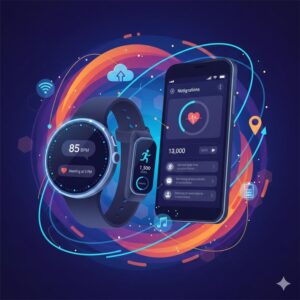
Wearables often process live data from sensors. Efficient algorithms are needed to handle this data without draining battery.
Personalization
Many wearable apps adjust based on user behavior. Personalization improves relevance and engagement.
Low Power Consumption
Battery efficiency is critical. Poor optimization can make an app impractical.
Secure Data Handling
Wearables often collect sensitive information. Encryption and secure storage are essential.
Technology Stack in Wearable App Development
Wearable app development companies use different tools depending on the device and platform.
Common technologies include:
-
Native development kits for wearable operating systems
-
Cross-platform frameworks
-
Cloud platforms for data storage
-
APIs for integration with health or fitness platforms
The choice depends on project goals and supported devices.
Challenges in Wearable Device App Development
Wearable development is promising but comes with challenges.
Limited Screen Space
Design must be simple and focused.
Battery Constraints
Apps must minimize background activity.
Hardware Variations
Different devices have different capabilities.
Data Privacy
Sensitive data requires careful protection.
Connectivity Issues
Wearables may not always stay connected to phones or the internet.
Understanding these challenges helps set realistic expectations.
Role of Data in Wearable App Development Solutions
Wearable devices generate large amounts of data. This data can provide insights when handled correctly.
Examples include:
-
Health trends
-
Activity patterns
-
Productivity metrics
-
Safety alerts
Analytics tools can turn raw data into meaningful insights for users or organizations.
Compliance and Ethical Considerations
Wearable apps may collect personal and health-related data. Developers and businesses must consider:
-
User consent
-
Data transparency
-
Secure storage
-
Legal regulations
Ethical data handling builds trust.
User Experience in Wearable Apps
Wearable UX focuses on speed and simplicity.
Best practices include:
-
Short interactions
-
Clear icons
-
Minimal typing
-
Haptic feedback
-
Voice support where relevant
A wearable app should help, not distract.
Integration with Mobile and Cloud Systems
Most wearable apps are part of a larger ecosystem.
Integration may include:
-
Mobile companion apps
-
Web dashboards
-
Cloud analytics
-
IoT platforms
This ecosystem approach increases usefulness.
Testing Strategies for Wearable Apps
Testing ensures reliability.
Important testing areas:
-
Real-device testing
-
Sensor accuracy
-
Battery impact
-
Connectivity stability
-
User scenario testing
Testing on real hardware is especially important.
Planning a Wearable App Project
Before starting, organizations should define:
-
Clear goals
-
Target users
-
Supported devices
-
Budget and timeline
-
Data policies
A structured plan reduces risk.
Collaboration with Wearable App Development Companies
Working with wearable app development companies involves coordination between technical and business teams.
Important elements include:
-
Clear documentation
-
Defined milestones
-
Feedback cycles
-
Transparent communication
Companies like Maven Swami may participate in different stages depending on project needs.
Maintenance and Updates
Wearable apps require ongoing updates.
Maintenance tasks may include:
-
Bug fixes
-
OS compatibility updates
-
Performance improvements
-
Security patches
Regular maintenance keeps apps reliable.
Scalability in Wearable Solutions
As user numbers grow, backend systems must scale.
Scalability planning includes:
-
Cloud infrastructure
-
Efficient databases
-
Load management
Scalable systems handle growth smoothly.
Practical Considerations for New York Businesses
New York organizations operate in a competitive environment. Practical considerations include:
-
User privacy expectations
-
High-performance standards
-
Diverse user groups
-
Integration with existing systems
Local context influences development priorities.
Knowledge Transfer and Documentation
Good documentation supports long-term success.
It helps with:
-
Onboarding new developers
-
Troubleshooting
-
Future upgrades
Knowledge transfer reduces dependency on any single team.
Managing Technical Debt
Quick solutions can create future problems. Managing technical debt involves:
-
Code reviews
-
Refactoring
-
Clear standards
This keeps apps maintainable.
User-Centered Development Approach
Understanding real users leads to better products.
Methods include:
-
Interviews
-
Surveys
-
Usage analysis
-
Feedback loops
User input improves relevance.
Reliability and Monitoring
Monitoring tools help track:
-
Crashes
-
Performance issues
-
Sync failures
Fast response to issues protects user trust.
Long-Term Value of Wearable App Development
Wearable apps can support:
-
Preventive healthcare
-
Fitness awareness
-
Operational efficiency
-
Safety improvements
-
Data-driven decisions
Value depends on thoughtful design and responsible data use.
Device Ecosystem in Wearable App Development
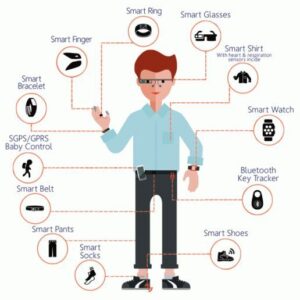
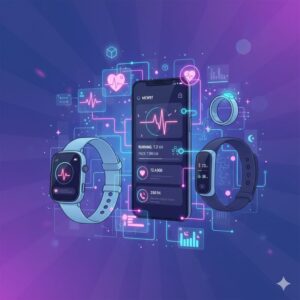
The wearable technology ecosystem is broader than many people realize. Wearable app development is not limited to a single device type. Instead, it often involves building solutions that work across a range of hardware products and operating systems.
Common categories in the wearable ecosystem include:
-
Smartwatches
-
Fitness bands
-
Medical wearables
-
Industrial wearables
-
Smart glasses
-
Connected garments
Each category has different hardware capabilities, sensors, and operating systems. Wearable app development services in New York frequently consider multi-device compatibility so that applications remain usable as users switch devices.
A wearable app development service in New York often evaluates whether the application should be device-specific or adaptable across multiple wearable platforms.
Operating Systems for Wearable Devices
Wearable devices run on specialized operating systems. Understanding these systems is part of wearable device app development.
Popular wearable operating systems include:
-
watchOS for Apple Watch
-
Wear OS by Google
-
Fitbit OS
-
Garmin OS
-
Proprietary systems used in medical and industrial wearables
Each system has its own SDKs, UI rules, and performance limits. Wearable app development companies must follow these platform guidelines to ensure approval and smooth operation.
Companion Apps and Their Importance
Many wearable application development projects include companion smartphone apps. These mobile apps serve as control centers for wearable devices.
Companion apps allow users to:
-
Configure device settings
-
View detailed analytics
-
Sync historical data
-
Manage notifications
-
Update firmware
Wearable app development solutions often treat the wearable and mobile app as one connected product rather than two separate tools.
Cloud Infrastructure in Wearable App Development
Cloud infrastructure plays a large role in wearable application development in New York. Wearables collect data continuously, and cloud platforms help store and analyze that data.
Cloud integration supports:
-
Data backups
-
Cross-device syncing
-
Analytics dashboards
-
Machine learning models
-
Secure access management
Reliable cloud architecture ensures wearable systems remain stable even with many users.
Role of Artificial Intelligence in Wearable Apps
AI is increasingly integrated into wearable app development solutions.

Examples include:
-
Predicting health trends
-
Detecting irregular heart rates
-
Personalized fitness coaching
-
Sleep pattern analysis
-
Behavioral insights
AI helps transform raw sensor data into actionable insights. However, AI models require careful validation to avoid inaccurate conclusions.
Security Layers in Wearable Device App Development
Security in wearable device app development goes beyond passwords.
Important security layers include:
-
Secure Bluetooth communication
-
Data encryption at rest and in transit
-
Multi-factor authentication
-
Secure firmware updates
-
Token-based API access
Wearables often transmit personal data, so strong security design is essential.
Bluetooth and Connectivity Protocols
Most wearable devices connect using Bluetooth Low Energy (BLE). BLE is designed to minimize power consumption while maintaining reliable communication.
Wearable app development services must optimize:
-
Pairing processes
-
Connection stability
-
Data transfer efficiency
-
Reconnection logic
Poor connectivity handling can frustrate users and reduce trust.
Human Factors in Wearable App Design
Wearables interact closely with the human body. This makes human factors especially important.
Considerations include:
-
Comfort and ergonomics
-
Screen readability outdoors
-
Haptic feedback clarity
-
Voice interaction accuracy
-
Accessibility for different age groups
Wearable app development in New York often considers diverse urban users with varying needs and lifestyles.
Data Visualization for Wearables
Wearable apps present complex data in simple formats.
Effective visualization includes:
-
Simple charts
-
Progress rings
-
Color-coded indicators
-
Trend summaries
-
Alerts for anomalies
Clear visualization helps users quickly understand their data without deep analysis.
Real-Time Alerts and Notifications
Notifications are a core feature in smartwatch app development in New York.
Examples include:
-
Health alerts
-
Medication reminders
-
Meeting notifications
-
Safety warnings
-
Goal milestones
However, over-notification can overwhelm users. Balanced notification design improves engagement.
Industry-Specific Wearable Applications
Wearable app development companies often create solutions tailored to specific industries.
Healthcare
-
Remote diagnostics
-
Patient monitoring
-
Elderly care tracking
-
Rehabilitation programs
Sports and Athletics
-
Performance tracking
-
Biomechanics analysis
-
Training load monitoring
Corporate Wellness
-
Activity challenges
-
Stress tracking
-
Employee engagement programs
Manufacturing and Construction
-
Hazard alerts
-
Fatigue monitoring
-
Location tracking
Industry context shapes features and compliance needs.
Regulations Affecting Wearable Applications
Certain wearable applications must comply with regulations.
Possible areas include:
-
Health data regulations
-
Workplace safety standards
-
Data protection laws
-
Consumer privacy rules
A wearable app development service in New York often consults legal and compliance experts when necessary.
Interoperability with Health Platforms
Many wearable devices sync with broader health ecosystems.
Integration may involve:
-
Apple Health
-
Google Health Connect
-
Hospital record systems
-
Insurance wellness programs
Interoperability increases usefulness but requires strict data standards.
Firmware and Hardware Coordination
Some wearable projects require coordination with hardware and firmware teams.
Firmware affects:
-
Sensor behavior
-
Battery performance
-
Connectivity reliability
-
Data sampling rates
Software teams must align with hardware capabilities for optimal results.
Battery Optimization Strategies
Battery life is a top concern in wearable app development.
Optimization strategies include:
-
Efficient polling intervals
-
Event-driven data capture
-
Lightweight code
-
Minimal background tasks
-
Smart sync scheduling
Battery-friendly design improves user satisfaction.
Role of Edge Computing
Edge computing processes data on the device rather than the cloud.
Benefits include:
-
Faster responses
-
Reduced data transfer
-
Improved privacy
-
Lower cloud costs
Some wearable app development solutions combine edge and cloud computing.
Behavioral Science in Wearable Apps
Wearable apps often aim to influence behavior, especially in health and fitness.
Behavioral science techniques include:
-
Goal-setting frameworks
-
Habit tracking
-
Positive reinforcement
-
Gamification elements
These techniques must be applied responsibly to avoid pressure or misinformation.
Gamification in Wearable Applications
Gamification can increase engagement.
Examples include:
-
Achievement badges
-
Daily streaks
-
Social challenges
-
Leaderboards
Gamification works best when aligned with real user value.
Environmental Context Awareness
Some wearables detect environmental conditions.
Examples:
-
UV exposure monitoring
-
Air quality tracking
-
Noise level alerts
-
Temperature monitoring
These features are relevant in large urban environments like New York.
Multi-Device Synchronization
Users may own multiple devices.
Synchronization ensures:
-
Consistent data
-
Unified profiles
-
Seamless transitions
-
Reliable backups
Wearable application development in New York often includes cross-device ecosystems.
Ethical Use of Biometric Data
Biometric data is sensitive.
Ethical practices include:
-
Clear consent
-
Transparent usage policies
-
Limited data retention
-
User control over data deletion
Ethical handling supports long-term trust.
Training and Onboarding for Users
User onboarding is crucial for wearable apps.
Effective onboarding includes:
-
Simple setup guides
-
Visual tutorials
-
Gradual feature introduction
-
Helpful reminders
Good onboarding reduces abandonment rates.
Localization for Global Users
Even New York-based apps may reach global users.
Localization involves:
-
Language translation
-
Cultural adjustments
-
Unit conversions
-
Local date formats
Wearable app development companies plan for international scalability.
Continuous Improvement Cycles
Wearable apps benefit from iteration.
Continuous improvement includes:
-
Monitoring analytics
-
Collecting feedback
-
Releasing updates
-
Testing new features
Iteration keeps apps relevant.
Role of Research in Wearable Development
Research supports better decisions.
Research methods include:
-
Pilot programs
-
Academic partnerships
-
Clinical validation
-
Market analysis
Research-backed design improves reliability.
Risk Management in Wearable Projects
Risk management helps avoid project issues.
Common risks:
-
Hardware dependency delays
-
Sensor inaccuracies
-
Regulatory hurdles
-
User adoption uncertainty
Planning reduces these risks.
Collaboration Across Disciplines
Wearable app development is multidisciplinary.
Teams may include:
-
Developers
-
Designers
-
Data scientists
-
Healthcare professionals
-
Hardware engineers
Cross-functional collaboration improves outcomes.
Sustainability in Wearable Technology
Sustainability is gaining attention.
Considerations include:
-
Energy-efficient code
-
Long device lifecycles
-
Reduced data waste
-
Responsible hardware sourcing
Sustainable design benefits users and the environment.
Market Research Before Development
Understanding the market helps define direction.
Research areas:
-
Competitor analysis
-
User needs
-
Device popularity
-
Pricing expectations
Market research informs strategy.
Adoption Barriers in Wearable Technology
Some users hesitate to adopt wearables.
Barriers may include:
-
Privacy concerns
-
Cost of devices
-
Battery limitations
-
Comfort issues
Addressing these concerns improves adoption.
Educational and Research Use Cases
Universities and research centers in New York use wearables for:

-
Health studies
-
Movement research
-
Cognitive science
-
Sports science
Wearable app development solutions can support academic research.
Long-Term Product Roadmaps
Wearable products often evolve over time.
Roadmaps may include:
-
Feature expansions
-
Device upgrades
-
Platform integrations
-
AI enhancements
A roadmap provides direction beyond the first release.
Strategic Perspective on Wearable App Development
Wearable technology is part of a larger digital ecosystem. It intersects with mobile apps, cloud platforms, IoT systems, and data analytics.
Wearable app development services in New York are increasingly relevant as organizations explore new ways to gather insights and support users in real time. Wearable devices app development in New York continues to expand across healthcare, fitness, enterprise, and research domains.
Wearable app development, smartwatch app development in New York, and wearable device app development all require careful planning, user-centered design, and responsible data practices. Companies like Maven Swami may contribute technical capabilities, but successful wearable application development in New York ultimately depends on aligning technology with real human needs.
Closing Perspective
Wearable app development in New York reflects broader digital transformation trends. As wearable devices become more capable, applications will continue to expand across industries.
Wearable app development services, smartwatch app development, and wearable device app development require specialized skills, careful planning, and strong attention to user experience.
Organizations exploring wearable application development in New York often look for practical, scalable, and secure solutions. Companies such as Maven Swami may contribute technical expertise, but the success of a wearable project ultimately depends on clear goals, real user needs, and responsible technology use.