
The financial industry is undergoing one of the most significant digital transformations in its history. From mobile banking and digital wallets to automated investment platforms and blockchain-based payment systems, technology is reshaping how people interact with money. At the center of this transformation lies fintech app development, a discipline that blends finance, software engineering, compliance, and user experience design.

For businesses operating in or targeting San Antonio, fintech mobile solutions are no longer optional. They are a strategic requirement. This article explores fintech app development in depth, including fintech mobile app development services, the role of fintech app developers, and how a financial software development company like Maven Swami approaches building secure, scalable, and compliant financial applications.
Understanding Fintech App Development
Fintech app development refers to the process of designing, building, testing, and maintaining software applications that deliver financial services through digital platforms. These applications support a wide range of use cases, including:
-
Mobile banking and digital wallets
-
Peer-to-peer payments
-
Lending and credit management
-
Wealth management and robo-advisory
-
Insurance technology (InsurTech)
-
Cryptocurrency and blockchain-based solutions
Unlike general mobile apps, fintech applications must meet strict requirements related to data security, regulatory compliance, transaction accuracy, and system reliability.
A fintech app development company must balance innovation with stability, ensuring that new features do not compromise trust or compliance.
Why Fintech Mobile App Development Matters Today
The rise of smartphones has transformed consumer expectations. Users now expect financial services to be:
-
Available 24/7
-
Easy to navigate
-
Secure by default
-
Personalized to their financial behavior
Fintech mobile app development addresses these expectations by delivering finance-focused applications optimized for iOS and Android platforms. Businesses in San Antonio, TX, are increasingly adopting mobile-first strategies to serve both local customers and broader U.S. markets.
Mobile fintech applications also support real-time analytics, push notifications, biometric authentication, and seamless third-party integrations—features that traditional financial systems often lack.
Fintech Mobile App Development Services Explained
Fintech mobile app development services encompass more than just coding. They typically include the full software development lifecycle, such as:
1. Product Discovery and Requirements Analysis
This phase defines business goals, user personas, regulatory constraints, and technical feasibility. In fintech, early planning is critical due to compliance requirements imposed by entities such as Financial Industry Regulatory Authority and Securities and Exchange Commission.
2. UI/UX Design for Financial Applications
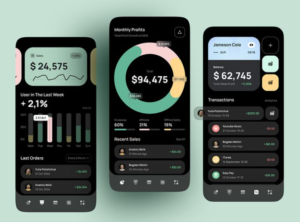
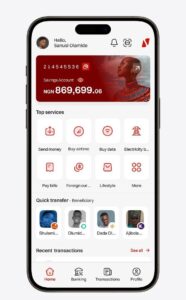
Fintech interfaces must present complex financial data in a clear and intuitive way. Good design reduces user errors, increases adoption, and improves trust—especially for payment and investment apps.
3. Secure Backend Development
The backend is the backbone of any finance mobile app development project. It manages transaction processing, user authentication, data encryption, and system integrations.
4. API and Third-Party Integrations
Modern fintech apps rely heavily on APIs for payments, identity verification, and analytics. Common integrations may include payment gateways, banking APIs, and compliance tools.
5. Quality Assurance and Compliance Testing
Testing goes beyond functionality. It includes penetration testing, performance testing, and validation against regulatory standards.
6. Ongoing Maintenance and Updates
Financial regulations, security threats, and user expectations evolve constantly. Continuous updates are essential to keep fintech software relevant and secure.
Role of Fintech App Developers
Fintech app developers are specialized software professionals with experience in both financial systems and modern application frameworks. Their responsibilities typically include:
-
Implementing secure authentication methods
-
Managing sensitive financial data
-
Optimizing applications for performance and scalability
-
Ensuring regulatory alignment
-
Collaborating with compliance and product teams
In a city like San Antonio, which has a growing technology ecosystem, access to skilled fintech developers supports innovation while maintaining enterprise-grade reliability.
Financial App Development vs. General App Development
Financial app development differs from standard mobile app development in several important ways:
-
Security-first architecture: Encryption, tokenization, and secure key management are mandatory.
-
Regulatory compliance: Apps must comply with financial laws and standards.
-
High availability: Downtime can directly impact user trust and revenue.
-
Data accuracy: Even minor errors in calculations or transactions can have serious consequences.
A financial software development company must therefore adopt stricter development, testing, and deployment practices compared to non-financial applications.
Fintech App Development Company: What to Look For
When evaluating a fintech app development company, businesses should consider several factors beyond cost or timelines:
Domain Expertise
Experience in finance, banking, or payments reduces risk and improves development efficiency.
Security Standards
The company should follow industry best practices such as secure coding standards, regular audits, and encryption protocols.
Compliance Knowledge
Understanding regulatory frameworks is essential, particularly for apps handling payments, lending, or investments.
Scalability
Applications should be designed to handle increasing users and transaction volumes without performance degradation.
Transparent Development Process
Clear documentation, version control, and communication are critical for long-term success.
Maven Swami, operating as a fintech software development company, focuses on structured engineering practices that prioritize reliability, clarity, and long-term maintainability.
Financial Software Development Services in Practice
Financial software development services cover a wide range of digital solutions beyond mobile apps. These may include:
-
Core banking platforms
-
Payment processing systems
-
Financial analytics dashboards
-
Risk management tools
-
Accounting and ERP integrations
These systems often interact with external platforms such as Stripe, PayPal, or Plaid to facilitate payments and data exchange.
Finance Mobile App Development Use Cases
Finance mobile app development supports diverse business models and user needs. Common use cases include:

Mobile Banking Applications
Allow users to manage accounts, transfer funds, and view transaction histories securely.
Digital Wallets
Enable fast payments, stored cards, and peer-to-peer transfers.
Lending and Credit Apps
Support loan applications, credit scoring, and repayment tracking.
Investment and Wealth Management Apps
Provide portfolio tracking, automated investing, and financial insights.
Expense Tracking and Budgeting Tools
Help users monitor spending and improve financial literacy.
Each use case requires a tailored approach to architecture, security, and user experience.
Technology Stack Commonly Used in Fintech Development
Fintech mobile app development relies on robust and proven technologies, including:
-
Frontend: React Native, Flutter, Swift, Kotlin
-
Backend: Node.js, Java, Python
-
Databases: PostgreSQL, MongoDB
-
Cloud Infrastructure: Amazon Web Services, Microsoft Azure
-
Security Tools: OAuth 2.0, JWT, biometric authentication
The choice of stack depends on performance requirements, compliance needs, and future scalability.
Regulatory and Security Considerations
Security and compliance are non-negotiable in fintech app development. Key considerations include:
-
Data encryption at rest and in transit
-
Secure user authentication and authorization
-
Audit trails and logging
-
Compliance with U.S. financial regulations
-
Protection against fraud and cyber threats
Failure to address these areas can result in legal penalties and loss of customer trust.
Fintech App Development in San Antonio, TX
San Antonio has emerged as a growing hub for technology-driven industries, including financial software development. The city offers:

-
Access to a skilled technology workforce
-
A supportive business environment
-
Proximity to major U.S. financial markets
For organizations targeting regional or national users, developing fintech solutions in San Antonio provides both operational and strategic advantages.
How Maven Swami Approaches Fintech App Development
Maven Swami follows a structured, engineering-led approach to fintech app development that emphasizes:
-
Clear requirements and documentation
-
Secure and modular system architecture
-
Compliance-aware development practices
-
Long-term maintainability
Rather than focusing on marketing claims, the emphasis remains on delivering reliable financial software aligned with real-world business needs.
Business Value of Fintech App Development for Enterprises and Startups
Fintech app development is no longer limited to large banks or global financial institutions. Today, enterprises, mid-sized companies, and startups all rely on financial technology to improve operational efficiency and customer engagement. A well-architected fintech mobile application can streamline internal workflows while offering end users faster, more transparent financial interactions.
For enterprises, fintech software development supports automation across accounting, payroll, invoicing, and financial reporting. For startups, fintech mobile app development enables rapid market entry with digital-first financial products that compete with established players. In both cases, scalability and security remain central priorities.
In regions such as San Antonio, TX, businesses are increasingly leveraging fintech app development services to modernize legacy financial systems and align with digital customer expectations.
Importance of Architecture in Fintech Software Development
Architecture plays a decisive role in fintech app development. Poor architectural decisions can lead to performance bottlenecks, security vulnerabilities, and costly refactoring. A fintech software development company must therefore design systems that are modular, fault-tolerant, and scalable from the outset.
Common architectural patterns used in financial software development services include:
-
Microservices architecture for scalability and isolation
-
Event-driven systems for real-time transaction processing
-
API-first design for integration with third-party platforms
-
Cloud-native infrastructure for resilience and flexibility
These approaches allow fintech applications to handle fluctuating transaction volumes while maintaining system integrity.
Data Management and Analytics in Financial Applications
Data is a core asset in fintech mobile app development. Financial applications generate large volumes of structured and unstructured data, including transaction histories, behavioral patterns, and risk indicators. Effective data management enables better decision-making and improved user experiences.
Modern financial app development integrates analytics tools to:
-
Monitor transaction trends
-
Detect anomalies and potential fraud
-
Generate compliance reports
-
Provide personalized insights to users
Advanced analytics often rely on machine learning models deployed within secure cloud environments such as Google Cloud Platform or Amazon Web Services.
API Ecosystems and Open Banking Integration
APIs are foundational to fintech app development. They enable interoperability between banks, payment processors, identity providers, and third-party services. Open banking initiatives have further accelerated API adoption by allowing users to securely share financial data across platforms.

Through APIs, fintech app developers can integrate services such as:
-
Account aggregation
-
Payment initiation
-
Credit scoring
-
Identity verification
Platforms like Plaid and Yodlee are commonly used to support data connectivity while maintaining compliance.
Risk Management and Fraud Prevention in Fintech Apps
Risk management is a critical component of financial software development services. Fintech applications are frequent targets for fraud due to the sensitive nature of financial data and transactions.
Effective fintech app development includes built-in fraud prevention mechanisms such as:
-
Behavioral analytics
-
Device fingerprinting
-
Multi-factor authentication
-
Transaction monitoring and alerts
Artificial intelligence and rule-based systems work together to detect suspicious activity in real time, reducing financial losses and regulatory exposure.
Compliance Automation in Financial Software Development
Regulatory compliance is one of the most complex challenges in fintech app development. Financial applications must adhere to multiple regulations depending on the services offered and jurisdictions involved.
Compliance automation helps reduce manual effort and human error by embedding regulatory rules directly into application workflows. This includes:
-
Automated identity verification (KYC)
-
Anti-money laundering (AML) checks
-
Audit logging and reporting
-
Data retention policies
Regulatory oversight bodies such as Financial Crimes Enforcement Network influence how compliance requirements are implemented within fintech systems.
Performance Optimization for Finance Mobile App Development
Performance is essential in finance mobile app development. Delays, crashes, or incorrect data can significantly impact user trust. Fintech app developers must optimize applications to handle peak loads without compromising responsiveness.

Performance optimization strategies include:
-
Efficient database indexing
-
Load balancing and caching
-
Asynchronous transaction processing
-
Continuous performance monitoring
High-performing fintech apps ensure consistent user experiences across devices and network conditions.
Cross-Platform vs Native Fintech Mobile Apps
Choosing between cross-platform and native development is an important decision in fintech mobile app development. Each approach has advantages and trade-offs.
Native Development
Native apps offer higher performance, deeper hardware integration, and greater control over security features. They are often preferred for high-risk financial applications.
Cross-Platform Development
Cross-platform frameworks reduce development time and cost by sharing code across platforms. They are suitable for MVPs and applications with moderate complexity.
A financial app development company must evaluate technical requirements, security considerations, and long-term maintenance needs before selecting an approach.
User Trust and Transparency in Financial Applications
Trust is fundamental to fintech app adoption. Users must feel confident that their data is protected and transactions are accurate. Transparency in application design helps build this trust.
Effective fintech app development emphasizes:
-
Clear transaction confirmations
-
Accessible account statements
-
Transparent fee disclosures
-
Simple error explanations
These practices improve usability while reducing customer support demands.
Integration with Legacy Financial Systems
Many organizations rely on legacy financial systems that were not designed for modern mobile applications. Fintech software development services often involve integrating new digital solutions with existing infrastructure.
This integration requires careful planning to ensure data consistency, security, and minimal disruption. Middleware and API gateways are commonly used to bridge modern fintech apps with older systems.
Scalability Planning for Growing Fintech Products
Scalability is a long-term concern in fintech app development. Applications that perform well with a small user base may struggle as adoption grows. Scalability planning involves both technical and operational considerations.
Key scalability factors include:
-
Cloud-based infrastructure
-
Horizontal scaling strategies
-
Modular codebases
-
Automated deployment pipelines
Scalable fintech apps can accommodate growth without compromising reliability or security.
Quality Assurance in Fintech Software Development
Quality assurance is more rigorous in fintech software development than in many other domains. Testing must cover not only functionality but also security, compliance, and performance.
QA processes typically include:
-
Unit and integration testing
-
Security testing and penetration testing
-
Compliance validation
-
User acceptance testing
Continuous testing ensures that updates do not introduce regressions or vulnerabilities.
Role of Documentation in Financial App Development
Documentation is often overlooked but plays a vital role in fintech app development. Clear documentation supports maintenance, compliance audits, and future enhancements.
Well-documented systems help fintech app developers understand business logic, regulatory requirements, and system dependencies, reducing long-term operational risk.
Collaboration Between Technical and Financial Teams
Successful fintech software development requires close collaboration between engineers, financial experts, and compliance professionals. Each group brings essential knowledge that influences application design and functionality.
Regular communication ensures that technical implementations align with financial rules and regulatory expectations, minimizing costly revisions later in the development process.
Long-Term Maintenance and Support Considerations
Fintech app development does not end at launch. Ongoing maintenance is required to address security updates, regulatory changes, and evolving user needs.
A sustainable maintenance strategy includes:
-
Regular security patches
-
Feature enhancements
-
Performance optimization
-
Compliance updates
Long-term support ensures that fintech applications remain reliable and compliant over time.
Conclusion
Fintech app development is a complex but essential discipline for modern financial services. From fintech mobile app development services to full-scale financial software development services, businesses must prioritize security, compliance, and usability.
For organizations in San Antonio, TX, working with an experienced fintech app development company such as Maven Swami enables the creation of robust digital financial solutions without sacrificing regulatory or technical integrity.
As financial technology continues to advance, well-designed fintech applications will remain a cornerstone of innovation, trust, and efficiency in the digital economy.