
Los Angeles is one of the most important logistics and transportation hubs in the United States. With busy ports, large-scale warehouses, interstate freight routes, last-mile delivery networks, and fast-growing eCommerce demand, the city depends heavily on efficient supply chain operations. As a result, logistics software development services in Los Angeles are becoming essential for businesses that want faster deliveries, better inventory control, reduced operating costs, and real-time visibility.
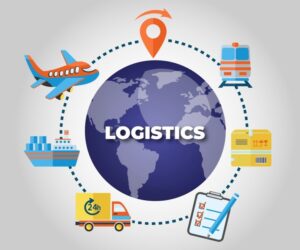
From freight dispatch and route optimization to warehouse management and shipment tracking, logistics technology is no longer optional. Companies across California are investing in tailored logistics platforms that fit their specific workflows. The need is not just for standard tools, but for reliable custom systems that support growth, compliance, and data-driven decisions.
In this blog, Maven Swami explains everything you need to know about logistics software development in Los Angeles, including common software types, key features, modern technologies, development steps, and practical factors businesses should consider before building a logistics platform. The language is simple, the tone is professional, and the focus is on useful information rather than promotion.
Why Los Angeles Is a Major Market for Logistics Software Development
Los Angeles has a unique mix of industries that rely on transportation and supply chain efficiency. The city supports:
-
Port and container shipping operations
-
Warehousing and distribution centers
-
Retail and eCommerce fulfillment
-
Trucking and freight services
-
Courier and last-mile delivery businesses
-
Manufacturing supply chains
-
Food, healthcare, and cold chain logistics
This wide network creates complex logistics challenges—such as traffic congestion, high delivery volume, multi-stop routing needs, and constant customer expectations for faster delivery times.
That is why transportation software development in Los Angeles is growing rapidly. Businesses need smart tools that can manage:
-
Fleet performance
-
Driver schedules
-
Warehouse processes
-
Delivery timelines
-
Freight billing and invoicing
-
Real-time tracking across routes
Understanding Logistics Software Development in Los Angeles
When businesses search for terms like:
-
logistics software development services in Los Angeles
-
logistics software development in Los Angeles
-
logistic software development in Los Angeles
-
logistics app development company in Los Angeles
-
transportation and logistics software development
-
logistics and transportation software development
-
logistic software development services in Los Angeles
…they are often looking for digital solutions that can improve end-to-end operations across the supply chain.
Logistics software development generally involves building applications that help businesses manage:
-
transportation planning
-
order processing
-
route scheduling
-
warehouse management
-
fleet monitoring
-
delivery confirmation
-
customer communication
-
billing and documentation
It can include web platforms, mobile apps, cloud dashboards, and data analytics tools—often connected to GPS, IoT devices, barcode scanners, and third-party APIs.
Common Types of Logistics and Transportation Software
Logistics is a large industry, and software systems can be designed for different operational needs. Below are the most common solutions built under transportation and logistics software development.
1) Transportation Management System (TMS)
A TMS is one of the most common logistics platforms. It helps businesses plan, execute, and optimize shipments.
Key capabilities:
-
load planning
-
carrier selection
-
dispatch scheduling
-
freight cost estimation
-
route optimization
-
shipment tracking
-
delivery performance reports
TMS platforms are widely used by freight brokers, 3PL companies, manufacturers, and distribution businesses.
2) Fleet Management Software
Fleet management tools help organizations monitor vehicles, drivers, and overall fleet productivity.
Key features:
-
GPS tracking
-
fuel monitoring
-
driver behavior reports
-
maintenance scheduling
-
vehicle health status
-
trip history and analytics
This type of solution supports better safety, lower fuel cost, and improved delivery reliability.
3) Warehouse Management System (WMS)
A WMS focuses on warehouse operations. It helps manage how goods are received, stored, picked, packed, and shipped.
Useful modules include:
-
inbound inventory receiving
-
storage allocation
-
barcode scanning and labeling
-
picking lists and packing workflows
-
stock movement tracking
-
warehouse staff performance tracking
-
inventory audits and cycle counts
With Los Angeles having large warehouse networks, logistics software development in Los Angeles often includes WMS requirements.
4) Order Management System (OMS)
An OMS manages orders across channels, including online stores and B2B shipping.
Main functions include:
-
customer orders management
-
order status updates
-
partial shipments and split orders
-
cancellations and returns
-
integration with inventory and delivery systems
This is especially important for eCommerce companies that handle thousands of orders per day.
5) Last-Mile Delivery Apps
Last-mile delivery is one of the most challenging parts of logistics due to customer expectations, traffic delays, and multi-stop routes.
Last-mile delivery applications typically include:
-
driver app for task management
-
route optimization
-
delivery proof (signature/photo)
-
real-time customer tracking link
-
delivery status updates (delivered, failed, rescheduled)
-
driver-customer contact options
Many businesses look for a logistics app development company in Los Angeles to build these solutions because they must be fast, mobile-friendly, and highly reliable.
6) Freight and Cargo Management Platforms
Freight platforms support shipping operations for trucking, ocean freight, and air cargo workflows.
These systems often handle:
-
freight booking and scheduling
-
documentation management
-
bill of lading generation
-
customs documentation support
-
rate calculations
-
load assignments
7) Supply Chain Visibility Platforms
Visibility tools provide real-time status updates on shipments and supply chain performance.
Key benefits include:
-
reduced uncertainty
-
faster issue response
-
accurate ETA predictions
-
better customer satisfaction
-
improved planning decisions
Many companies now consider real-time visibility a standard requirement.
Core Features of Modern Logistics Software
Every logistics solution is different, but successful platforms typically include a set of core features that support daily business operations.

1) User Roles and Permissions
Logistics operations involve many teams and stakeholders.
Common roles include:
-
dispatcher
-
driver
-
warehouse manager
-
admin
-
customer support
-
client/customer portal user
Role-based access ensures safety and prevents unauthorized changes.
2) Real-Time Tracking and Location Updates
Tracking helps dispatchers and customers view shipment status.
Common tracking methods include:
-
GPS vehicle tracking
-
driver app location sharing
-
tracking links for customers
-
map-based dashboards
This feature is especially important in high-volume cities like Los Angeles.
3) Route Planning and Optimization
One of the most valuable advantages of transportation software is route efficiency.
Route optimization can help:
-
reduce delivery time
-
cut fuel costs
-
avoid high-traffic areas
-
improve on-time delivery rate
-
support multi-stop delivery schedules
Many platforms also support dynamic routing if traffic or conditions change.
4) Dispatch and Load Assignment
Dispatchers need a fast and flexible way to assign deliveries.
Features usually include:
-
delivery task assignment
-
driver availability status
-
time slot scheduling
-
load capacity checks
-
pickup and drop-off details
-
digital manifests
A well-designed dispatch panel improves productivity and reduces manual coordination.
5) Proof of Delivery (POD)
Proof of delivery is often needed for compliance and billing accuracy.
Proof may include:
-
customer signature
-
photo confirmation
-
delivery timestamp
-
GPS location of delivery completion
-
notes for exceptions (damaged, missing, refused)
This is critical for industries like retail, food delivery, and medical logistics.
6) Inventory and Warehouse Controls
If your logistics platform includes warehouse operations, inventory tools become essential.
Core warehouse features include:
-
stock availability
-
bin location tracking
-
low-stock alerts
-
inbound/outbound movement logs
-
batch/lot tracking
-
expiry date management (for food or medicine)
7) Billing, Invoicing, and Cost Management
Transportation cost control is one of the biggest business needs.
Software can support:
-
rate cards
-
automated invoice creation
-
fuel cost tracking
-
driver payment calculations
-
shipment cost reports
A strong financial module reduces errors and saves time.
8) Notifications and Customer Communication
Logistics success depends on clear communication.
Notification features include:
-
SMS/email delivery updates
-
delays and issue alerts
-
scheduled delivery reminders
-
pickup confirmation messages
Customer updates reduce missed deliveries and improve experience.
9) Reporting and Analytics Dashboards
Data helps businesses improve operations over time.
Common metrics include:
-
delivery time performance
-
driver efficiency
-
route distance and time analysis
-
fuel usage patterns
-
shipment delay reasons
-
customer satisfaction reports
Analytics also help with planning and forecasting.
10) Integration with Third-Party Tools
Logistics operations often use multiple systems. Integrations are important for workflow continuity.
Examples of integrations:
-
payment gateways
-
ERPs (enterprise resource planning systems)
-
CRM systems
-
mapping APIs
-
eCommerce platforms
-
accounting tools
-
barcode scanners and IoT sensors
Benefits of Logistics and Transportation Software Development
Businesses invest in logistics and transportation software development because it improves both daily operations and long-term scalability.
Better Delivery Efficiency
Automation reduces time spent on dispatch calls, manual spreadsheets, and repetitive data entry.
Real-Time Visibility
Managers can quickly check:
-
where shipments are
-
which drivers are active
-
which deliveries are delayed
-
what needs urgent action
Reduced Operational Costs
Optimized routes and better planning reduce fuel usage, overtime, and wasted trips.
Fewer Errors and Delays
Automation reduces mistakes like:
-
wrong deliveries
-
missing shipment documentation
-
incorrect delivery addresses
-
duplicate dispatches
Improved Customer Satisfaction
Customers appreciate accurate updates, real-time tracking, and predictable delivery windows.
Easier Scaling
As business volume grows, software helps manage more shipments without increasing manual workload.
Industries in Los Angeles That Commonly Use Logistics Software
Los Angeles supports a wide variety of industries. Many of them require specialized logistics solutions.
eCommerce and Retail
-
order fulfillment
-
delivery scheduling
-
returns management
-
inventory sync
Freight and Trucking
-
dispatch optimization
-
driver scheduling
-
shipment documentation
-
fleet monitoring
Food and Beverage Distribution
-
cold chain monitoring
-
batch tracking
-
timely delivery control
-
temperature reports
Healthcare and Medical Logistics
-
sensitive shipment tracking
-
compliance-focused documentation
-
chain-of-custody controls
-
priority delivery scheduling
Manufacturing and Industrial Supply
-
raw material movement
-
vendor coordination
-
warehouse planning
-
outbound deliveries
Each industry often requires custom workflows, and that is where logistic software development services in Los Angeles become valuable.
Technology Stack Used in Logistics Software Development
Choosing the right technology affects performance, scalability, and future updates.
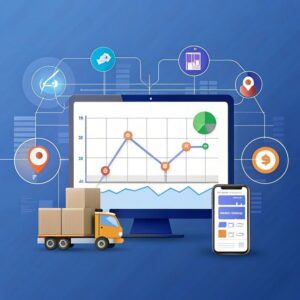
Front-End (Web Dashboard)
Common choices include:
-
React.js
-
Angular
-
Vue.js
Dashboards are used by admins, dispatchers, and managers.
Mobile App Development
Drivers and field teams usually work on mobile.
Common development options:
-
Native Android (Kotlin)
-
Native iOS (Swift)
-
Cross-platform frameworks (Flutter, React Native)
Backend Development
The backend manages data, security, workflows, and system communication.
Popular backend technologies:
-
Node.js
-
Python (Django/FastAPI)
-
Java
-
.NET
Databases
Logistics platforms store large-scale data.
Common database choices:
-
PostgreSQL
-
MySQL
-
MongoDB
-
Redis (for fast caching and performance support)
Cloud Hosting and Storage
Cloud services improve flexibility and growth management.
Common options:
-
AWS
-
Microsoft Azure
-
Google Cloud
Maps and Location Services
Location tracking is a key part of logistics tools.
Features often use:
-
map APIs
-
geofencing
-
distance and ETA calculations
-
traffic-aware routing
Security Tools
Security matters because logistics apps handle customer addresses, payments, and business operations.
Security includes:
-
encryption
-
authentication systems
-
audit logs
-
secure access controls
Key Development Steps for Logistics Software Development in Los Angeles
Developing logistics software should follow a structured plan. Here is the typical approach used by Maven Swami for logistics projects.
Step 1: Requirement Discovery and Workflow Mapping
The team gathers details such as:
-
how orders are received
-
how dispatching is done
-
current pain points
-
delivery scheduling method
-
warehouse process flow
-
reporting needs
This is where the real understanding of the business happens.
Step 2: Feature Finalization and Solution Architecture
Next, define:
-
required modules
-
integrations needed
-
mobile vs web requirements
-
user roles and access controls
-
data structure and reporting goals
This stage ensures the platform is built for real operations.
Step 3: UI/UX Design and Prototype
Logistics software should feel practical and simple.
Design focuses on:
-
fast order creation screens
-
dispatch clarity
-
easy tracking dashboards
-
driver-friendly mobile UI
-
minimal clicks for key actions
Step 4: MVP Development (Minimum Viable Product)
Instead of building everything at once, MVP includes core features like:
-
shipment creation
-
driver assignment
-
tracking
-
basic reporting
-
proof of delivery
This helps validate the system early.
Step 5: Full Development and Advanced Features
Once core is stable, advanced features can be added:
-
automation rules for dispatch
-
real-time alerts
-
warehouse modules
-
billing system
-
integrations
-
optimization algorithms
Step 6: Testing and Quality Assurance
Logistics software requires strong testing due to real-world dependency.
Testing types include:
-
performance testing
-
GPS accuracy checks
-
user flow testing
-
security testing
-
device compatibility testing
Step 7: Deployment and Launch Support
Deployment includes:
-
server setup
-
cloud scaling plan
-
data migration support
-
team onboarding
-
user training documents
Step 8: Maintenance and Continuous Updates
Logistics businesses evolve, so software must adapt.
Post-launch support includes:
-
bug fixes
-
feature upgrades
-
performance monitoring
-
integration changes
-
security updates
Challenges in Logistics Software Development (And How to Handle Them)

1) Traffic and Route Uncertainty
Los Angeles traffic can change quickly.
Solution: Use dynamic route planning and real-time updates.
2) Multiple Delivery Stops and Time Windows
Multi-stop routes require careful planning.
Solution: Support smart scheduling, optimized stop order, and delivery windows.
3) Driver Adoption Issues
Drivers may resist new software.
Solution: Build a simple driver app with offline support and easy navigation.
4) Data Accuracy Problems
Wrong addresses and incomplete orders cause delays.
Solution: Use validation rules, address verification tools, and mandatory fields.
5) Integration Complexity
Companies often have existing systems.
Solution: Use strong API architecture and clear integration planning early.
Trends in Transportation and Logistics Software Development
Logistics technology is changing quickly. Important trends include:
AI and Predictive Analytics
AI helps predict:
-
delays
-
best delivery times
-
demand patterns
-
fleet maintenance needs
IoT and Smart Sensors
IoT devices support:
-
temperature monitoring
-
vehicle tracking
-
package condition updates
Automation and Workflow Rules
Automation reduces manual work:
-
auto-assigning tasks
-
auto-sending customer updates
-
auto-generating invoices
Sustainability and Green Logistics
Many organizations want to reduce carbon footprint by:
-
optimizing routes
-
reducing fuel consumption
-
tracking emissions
Paperless Logistics
Digital documents are replacing manual paperwork:
-
e-signatures
-
ePOD
-
digital invoices
-
online dispatch notes
How to Choose a Logistics App Development Company in Los Angeles
If you are evaluating a logistics app development company in Los Angeles, it helps to review a few important factors.
Industry Understanding
The development team should understand:
-
dispatch systems
-
delivery workflows
-
warehousing operations
-
route optimization needs
Customization Ability
Logistics businesses rarely work the same way. Custom development is usually needed for:
-
unique route rules
-
pricing structures
-
client-specific reporting
-
driver workflows
Scalability and Performance
A good platform must handle:
-
high shipment volume
-
real-time tracking
-
large data storage
-
multi-user access
Security and Data Protection
Strong security is required for:
-
customer addresses
-
payment data
-
route and business details
-
internal reports
Long-Term Support
Logistics systems require ongoing updates and improvements as business needs evolve.
Final Thoughts
The logistics industry in Los Angeles depends on speed, accuracy, and coordination. With traffic challenges, high delivery volumes, warehouse operations, and customer expectations, businesses cannot rely only on manual processes or disconnected tools. That is why logistics software development services in Los Angeles play an important role in improving operational efficiency and long-term scalability.
From route optimization to dispatch dashboards, from fleet tracking to proof of delivery systems, custom logistics platforms help organizations reduce delays, control costs, and deliver better service. The best results come when the software is designed around real workflows—not generic assumptions.
Maven Swami focuses on building logistics and transportation software that supports practical business operations, clear reporting, smooth user experience, and reliable performance—without unnecessary complexity.